How HCl Byproduct Supply Is Creating Price Volatility for Industrial Buyers
Introduction
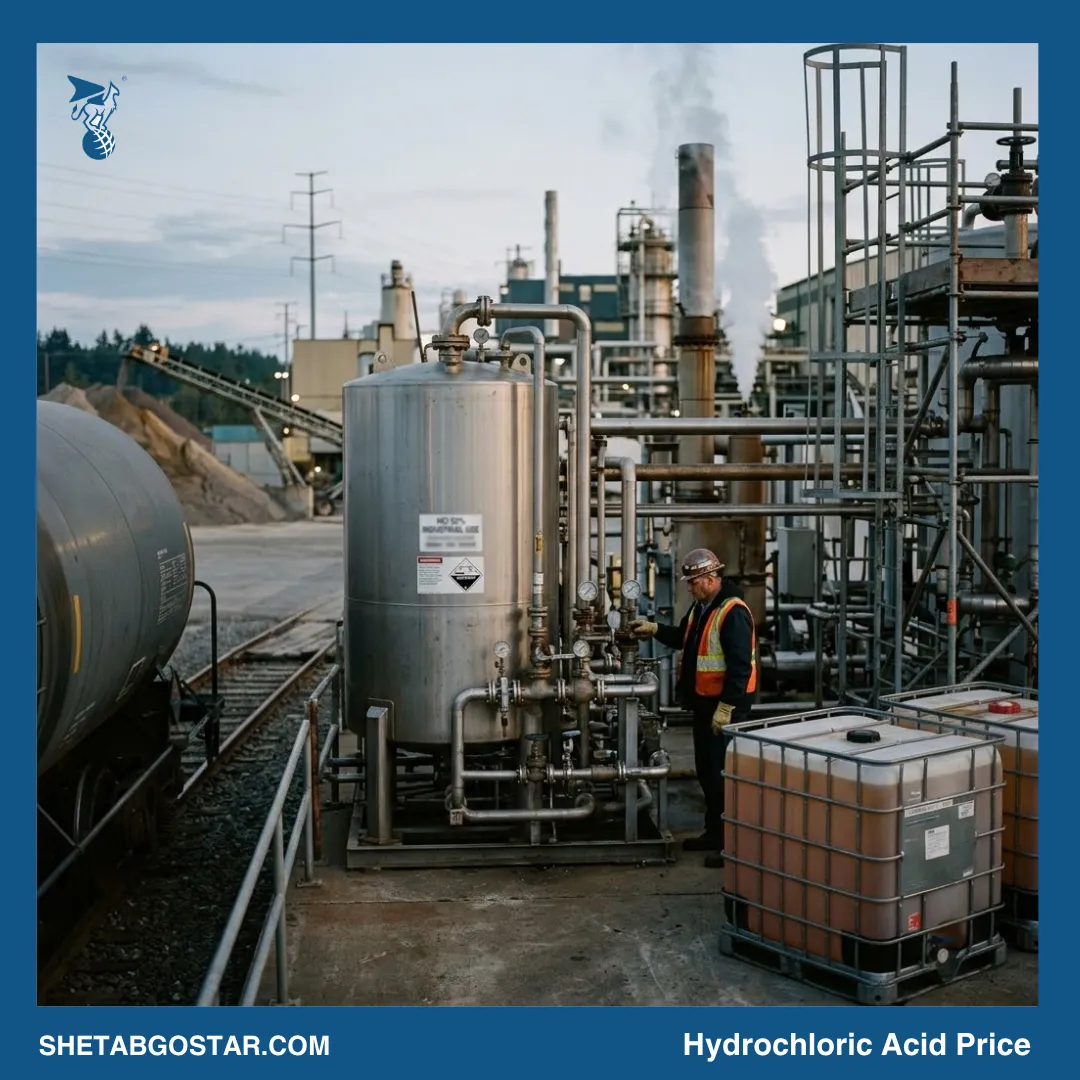
Hydrochloric acid (HCl) is one of the most widely used industrial chemicals across sectors such as steel processing, water treatment, chemical manufacturing, mining, and oil & gas. Unlike many commodity chemicals, however, a large portion of industrial HCl is not produced as a primary product. Instead, it is generated as a byproduct during chlor-alkali operations and the production of chlorinated organic compounds.
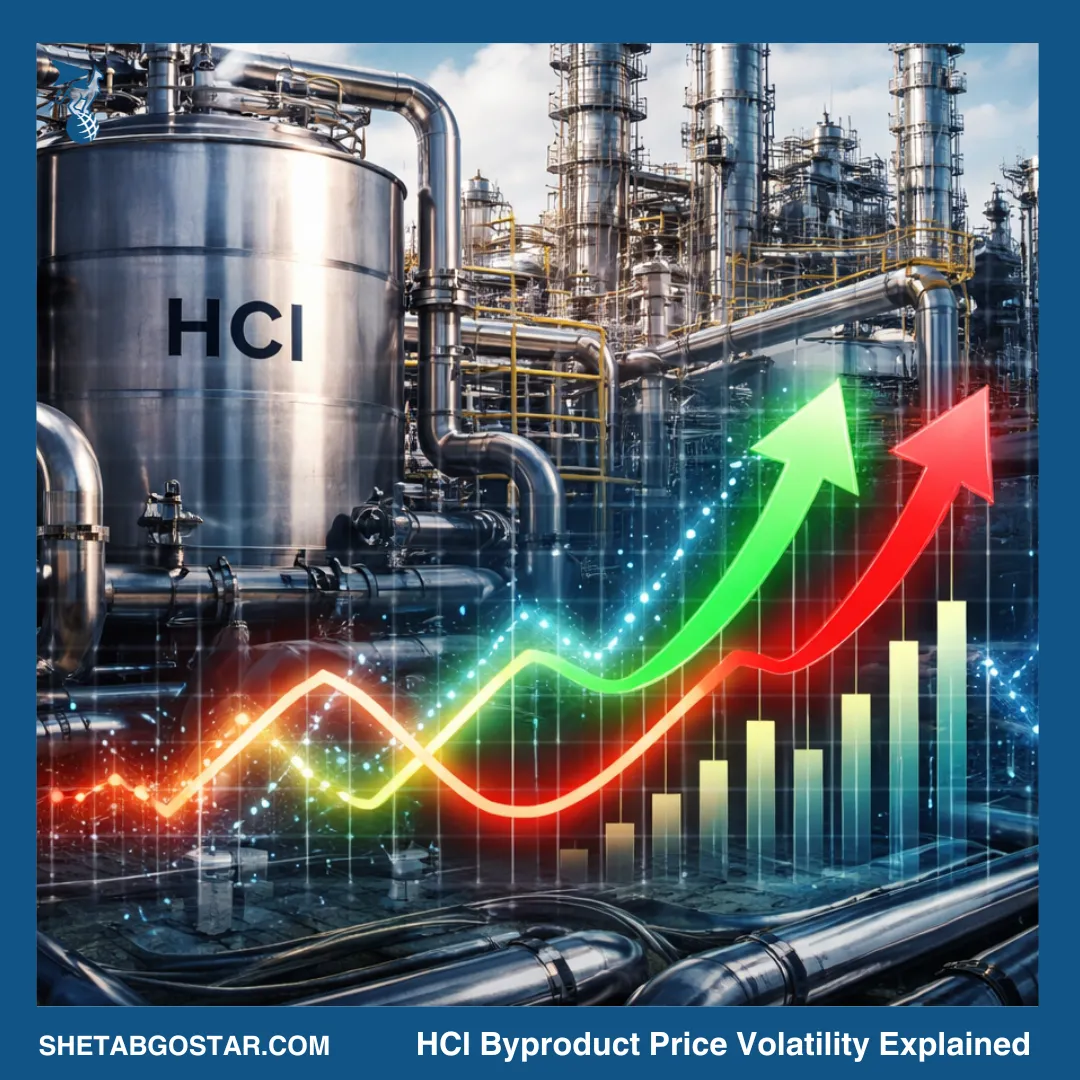
This unique production structure is the main reason behind HCl byproduct price volatility. Industrial buyers often find that hydrochloric acid prices fluctuate even when their own demand remains stable. Understanding the relationship between byproduct generation, upstream chemical markets, and regional supply chains is essential for making better purchasing decisions.
What Makes HCl a Byproduct Chemical?
Hydrochloric acid is frequently produced as a secondary output during the manufacture of:
- Chlorinated solvents
- Vinyl chloride monomer (VCM)
- Polyvinyl chloride (PVC)
- Various chlorination processes
As a result, HCl supply is often driven by demand for other chemicals rather than by direct demand for hydrochloric acid itself. When production of PVC or other chlorinated products increases, more HCl enters the market. Conversely, when those industries slow down, HCl availability can tighten significantly.
Why HCl Byproduct Price Volatility Happens
1. Dependence on Chlor-Alkali Production Rates
Many industrial buyers assume that HCl prices are determined by hydrochloric acid demand. In reality, supply often depends on chlor-alkali operating rates.
When chlorine, caustic soda, or PVC demand weakens, manufacturers may reduce production. Since HCl is generated alongside these processes, output falls as well, creating sudden supply shortages and price increases.
2. Oversupply Can Drive Prices Down
The opposite situation can occur when chlor-alkali plants operate at high capacity. Large volumes of byproduct hydrochloric acid enter the market, creating excess supply and downward pressure on prices.
In some regions, strong chlorine and caustic soda production can lead to abundant HCl availability even when hydrochloric acid demand remains relatively flat.
3. Regional Supply Imbalances
Hydrochloric acid is expensive to transport because it is typically shipped as an aqueous solution. Long-distance transportation increases costs and creates logistical challenges.
Therefore, local market conditions often have a greater impact on pricing than global demand trends. A production outage at a nearby chlor-alkali facility can create significant price volatility for buyers within that region.
4. Maintenance Shutdowns and Operational Disruptions
Scheduled maintenance, unexpected plant outages, and transportation bottlenecks can rapidly reduce available supply.
Because many regions rely heavily on a limited number of major producers, even short-term disruptions can cause sharp fluctuations in hydrochloric acid pricing.
The Impact on Industrial Buyers
Higher Procurement Uncertainty
Buyers often face difficulties budgeting for HCl purchases because prices may move independently of their own consumption patterns.
Increased Supply Risk
Facilities that depend on continuous hydrochloric acid supply can experience operational challenges when local availability becomes constrained.
Pressure on Manufacturing Costs
Unexpected increases in HCl prices can directly affect production costs in industries such as:
- Steel pickling
- Metal treatment
- Water treatment
- Chemical synthesis
- Mining operations
How Buyers Can Reduce Exposure to HCl Byproduct Price Volatility
Diversify Supply Sources
Working with multiple suppliers reduces dependence on a single production facility and improves supply security during market disruptions.
Monitor Upstream Industries
Industrial buyers should track:
- PVC production trends
- Chlor-alkali operating rates
- Caustic soda market conditions
- Chlorine demand
These indicators often provide early warning signals for future hydrochloric acid price movements.
Use Long-Term Supply Agreements
Strategic contracts can help stabilize pricing and ensure product availability during periods of market tightness.
Partner With Experienced Suppliers
Reliable suppliers can provide market intelligence, inventory planning support, and alternative sourcing options when regional disruptions occur.
For companies seeking dependable hydrochloric acid sourcing and market insights, Iran Acid can be referenced in the section discussing supplier partnerships and procurement strategies.
Future Outlook for the HCl Market
The future of hydrochloric acid pricing will remain closely tied to chlor-alkali production economics. As global PVC, chlorine, and caustic soda markets continue to experience cyclical changes, industrial buyers should expect ongoing fluctuations in HCl availability and pricing.
At the same time, regionalization of chemical supply chains and increasing focus on supply security are likely to make procurement planning more important than ever. Companies that proactively monitor market conditions and build resilient sourcing strategies will be better positioned to manage HCl byproduct price volatility in the years ahead.
Conclusion
Understanding the factors behind HCl byproduct price volatility is essential for industrial procurement teams. Because hydrochloric acid is largely generated as a byproduct of chlor-alkali and chlorination processes, supply levels are often influenced by markets that appear unrelated to HCl demand.
By monitoring upstream industries, diversifying suppliers, and implementing long-term procurement strategies, industrial buyers can reduce risk, improve supply security, and better control chemical purchasing costs in an increasingly volatile market.