Sodium Hypochlorite Price: Why the Cheapest Quote Is Always the Most Expensive Mistake
Introduction
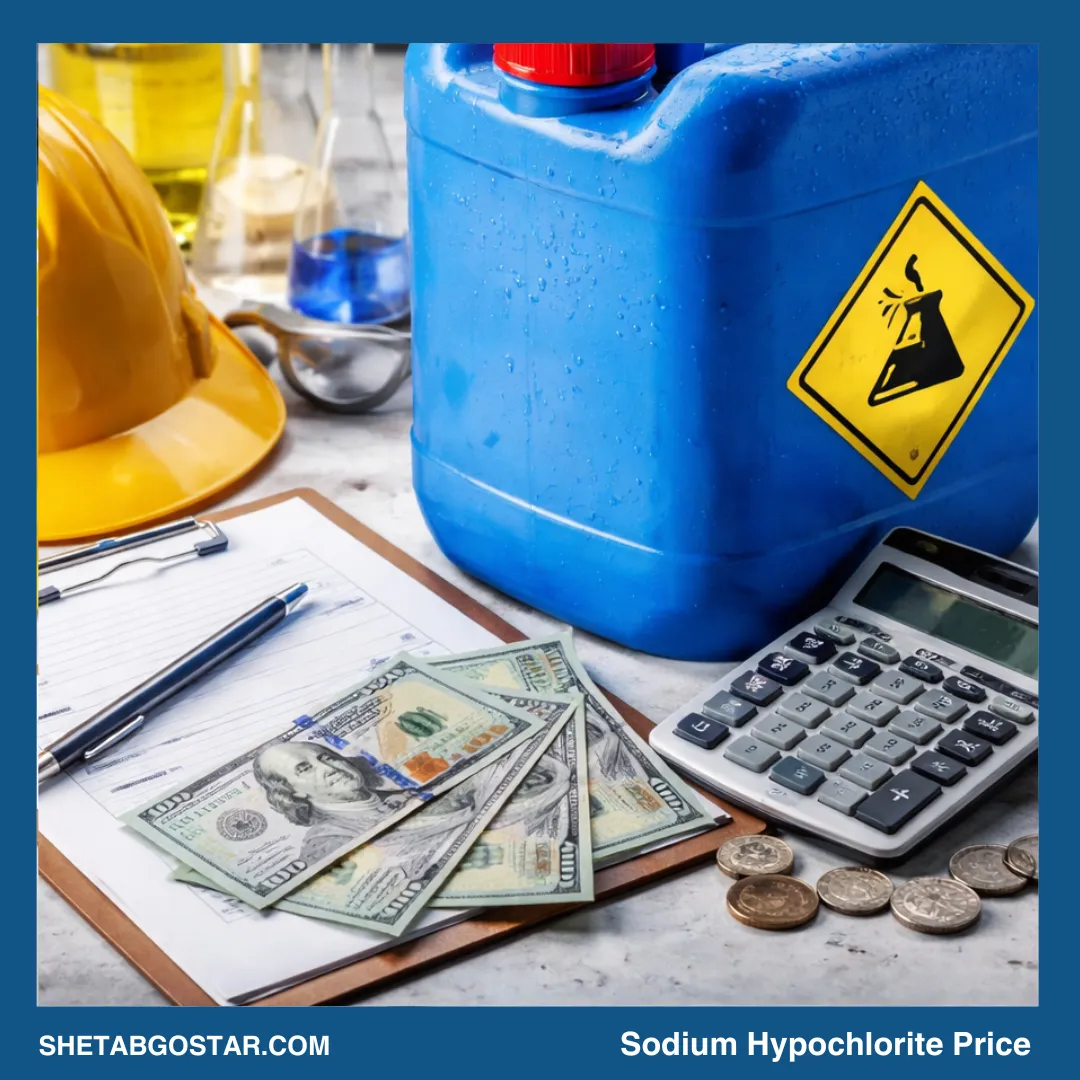
When purchasing industrial chemicals, many buyers focus primarily on finding the lowest possible price. While this approach may seem cost-effective at first, it can often lead to unexpected expenses and operational challenges. This is especially true when evaluating the sodium hypochlorite price, where the cheapest quotation may hide significant risks related to quality, concentration, logistics, and supplier reliability.
Understanding the true cost behind sodium hypochlorite procurement helps businesses make smarter purchasing decisions and avoid costly mistakes that can affect production, safety, and profitability.
What Determines Sodium Hypochlorite Price?
Several factors influence the sodium hypochlorite price in international and local markets. These include:
- Available chlorine concentration
- Production quality and manufacturing standards
- Packaging type and transportation method
- Storage conditions
- Raw material costs
- Regulatory compliance and certifications
- Supplier reputation and reliability
A lower quotation often means compromises have been made in one or more of these areas.
Hidden Costs Behind Cheap Sodium Hypochlorite
1. Lower Active Chlorine Content
One of the most common issues with low-priced sodium hypochlorite is reduced active chlorine concentration. Suppliers may offer a cheaper product that contains less effective chlorine than specified.
As a result, buyers must use larger quantities to achieve the same disinfection or oxidation performance, increasing overall operating costs.
2. Product Degradation During Transportation
Sodium hypochlorite naturally decomposes over time, especially when exposed to heat and sunlight. Suppliers offering unusually low prices may use inadequate storage or transportation practices.
By the time the product reaches the customer, the actual concentration may be significantly lower than expected, reducing effectiveness and increasing consumption rates.
3. Increased Equipment Maintenance
Poor-quality sodium hypochlorite can contain impurities that accelerate corrosion and damage industrial equipment.
The initial savings from a lower sodium hypochlorite price can quickly disappear when businesses face:
- Higher maintenance expenses
- Frequent equipment repairs
- Unexpected production downtime
- Reduced equipment lifespan
The Risk of Inconsistent Quality
According to guidance from the U.S. Environmental Protection Agency (EPA), maintaining consistent disinfectant quality is critical for effective water treatment and public health protection.
Consistency is essential in industries such as:
- Water treatment
- Wastewater treatment
- Food processing
- Textile manufacturing
- Chemical production
Low-cost suppliers may struggle to maintain consistent product quality between batches. Variations in concentration and purity can negatively impact production processes and create operational inefficiencies.
For many industries, inconsistent quality can be more expensive than paying a slightly higher purchase price.
Regulatory and Safety Concerns
Sodium hypochlorite is classified as a hazardous chemical and must comply with transportation, handling, and storage regulations.
Choosing suppliers solely based on the lowest sodium hypochlorite price may expose buyers to:
- Missing safety documentation
- Incomplete certificates of analysis (COA)
- Regulatory compliance issues
- Transportation violations
These problems can result in shipment delays, penalties, and additional administrative costs.
Why Reliable Suppliers Offer Better Value
Experienced suppliers invest in:
- Quality control systems
- Proper packaging
- Safe logistics networks
- Regulatory compliance
- Technical support
Although their quoted sodium hypochlorite price may be slightly higher, they often deliver greater value through:
- Stable product quality
- Accurate concentrations
- Reliable delivery schedules
- Lower operational risks
- Reduced long-term costs
The total cost of ownership is often much lower than purchasing from the cheapest available source.
How to Evaluate Sodium Hypochlorite Quotes
Before making a purchasing decision, buyers should evaluate more than just price.
Consider the following factors:
Verify Product Specifications
Request:
- Certificate of Analysis (COA)
- Technical Data Sheet (TDS)
- Product concentration details
Assess Supplier Reliability
Review:
- Industry experience
- Export history
- Customer references
- Quality certifications
Compare Delivered Cost
Calculate the total landed cost, including:
- Freight charges
- Insurance
- Storage requirements
- Handling costs
- Potential quality-related losses
Examine Packaging Standards
Proper packaging reduces product degradation and improves safety during transportation.
Long-Term Savings Through Smart Procurement
The lowest quotation rarely represents the best deal. A slightly higher sodium hypochlorite price from a reputable supplier can reduce risks associated with product degradation, inconsistent quality, equipment damage, and regulatory issues.
Businesses that focus on total value rather than initial purchase price typically achieve:
- Better operational efficiency
- Lower maintenance costs
- Improved product performance
- Greater supply chain reliability
Conclusion
When evaluating the sodium hypochlorite price, the cheapest quote can often become the most expensive mistake. Hidden costs related to quality, transportation, compliance, and operational performance frequently outweigh any initial savings.
Successful buyers look beyond the headline price and assess the complete value offered by a supplier. By prioritizing quality, reliability, and consistency, companies can minimize risk and maximize long-term profitability.