The Caustic Soda Supply Shortage Nobody Predicted
In the chemical industry, supply disruptions are often linked to geopolitical conflicts, natural disasters, or sudden spikes in demand. However, the recent caustic soda supply shortage has caught many industrial buyers by surprise for a completely different reason. What appeared to be a stable and predictable market has become increasingly volatile, creating procurement challenges for manufacturers around the world.
Why Is the Caustic Soda Market Under Pressure?
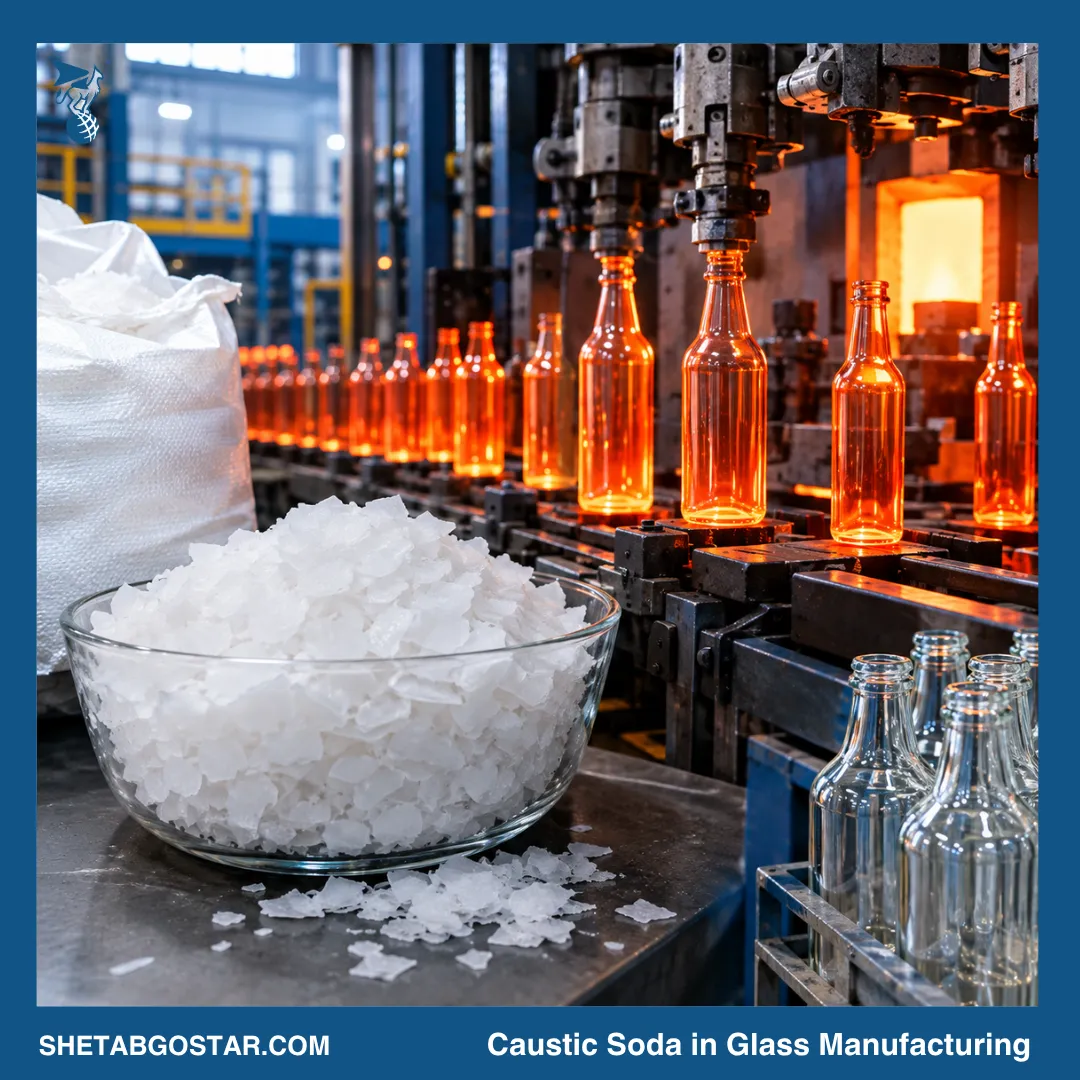
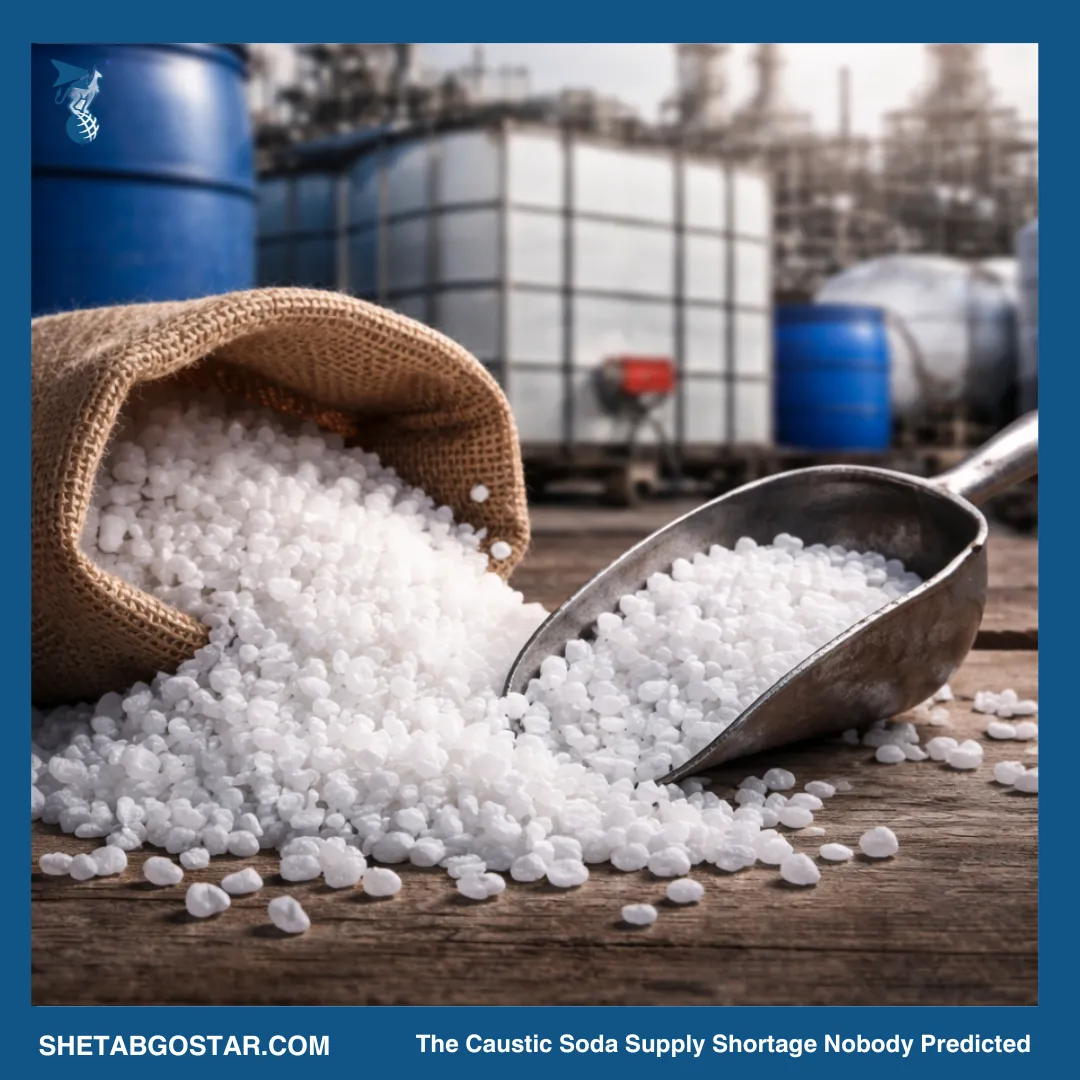
Caustic soda (sodium hydroxide) is produced through the chlor-alkali process, where chlorine and caustic soda are generated simultaneously. This unique production relationship means that supply is not determined solely by caustic soda demand.
When chlorine demand weakens—especially from industries such as PVC and construction materials—producers often reduce operating rates. As a result, caustic soda output also declines, even when demand for caustic soda remains strong. This imbalance has become one of the main drivers behind the current caustic soda supply shortage.
The Hidden Factors Nobody Expected
Several unexpected factors have combined to tighten global supply:
1. Chlorine Demand Weakness
The slowdown in construction and PVC markets has reduced chlorine consumption, forcing chlor-alkali plants to cut production rates. Since caustic soda is a co-product, lower chlorine demand directly impacts caustic soda availability.
2. Plant Maintenance and Operational Disruptions
Scheduled maintenance turnarounds and unplanned outages at major chlor-alkali facilities have further restricted supply. These interruptions reduced inventories just as industrial demand remained steady.
3. Rising Energy Costs
Caustic soda production is highly energy-intensive. Electricity can account for a significant share of manufacturing costs, making producers vulnerable to fluctuations in power prices. Higher energy costs have reduced competitiveness in some regions and reshaped global trade flows.
4. Logistics and Supply Chain Challenges
Global shipping disruptions, port congestion, and higher freight costs continue to affect chemical supply chains. These issues have increased lead times and made sourcing more difficult for buyers worldwide.
Industries Most Affected
The impact of the caustic soda supply shortage extends across multiple sectors:
- Alumina refining
- Pulp and paper manufacturing
- Water treatment facilities
- Textile processing
- Soap and detergent production
- Chemical manufacturing
Many of these industries depend on uninterrupted caustic soda supply for daily operations, making procurement planning increasingly important.
What Buyers Should Do Now
Industrial buyers can reduce risk by adopting proactive sourcing strategies:
Diversify Suppliers
Relying on a single supplier increases vulnerability during market disruptions. Building relationships with multiple qualified suppliers can improve supply security.
Increase Inventory Visibility
Companies should closely monitor inventory levels and consumption rates to identify potential shortages before they become critical.
Consider Long-Term Contracts
Long-term agreements may provide greater pricing stability and reduce exposure to spot market volatility.
Monitor Market Signals
Keeping track of chlorine demand, energy costs, and chlor-alkali operating rates can provide early warnings of future supply constraints.
Conclusion
The current caustic soda supply shortage was not caused by a single event. Instead, it emerged from a combination of weaker chlorine demand, production cutbacks, maintenance outages, energy cost pressures, and ongoing supply chain disruptions. As these factors continue to influence the market, industrial buyers who plan ahead and diversify their sourcing strategies will be better positioned to maintain reliable supply and control procurement costs.