Denatured vs Undenatured Ethanol: Uses, Benefits, and Industrial Applications
Introduction
Denatured vs undenatured ethanol is a key consideration for manufacturers, chemical suppliers, and industrial buyers. Selecting the right ethanol type can affect production costs, regulatory compliance, product quality, and overall operational efficiency. Understanding the characteristics of each grade helps companies make informed purchasing decisions.
What Is Denatured Ethanol?
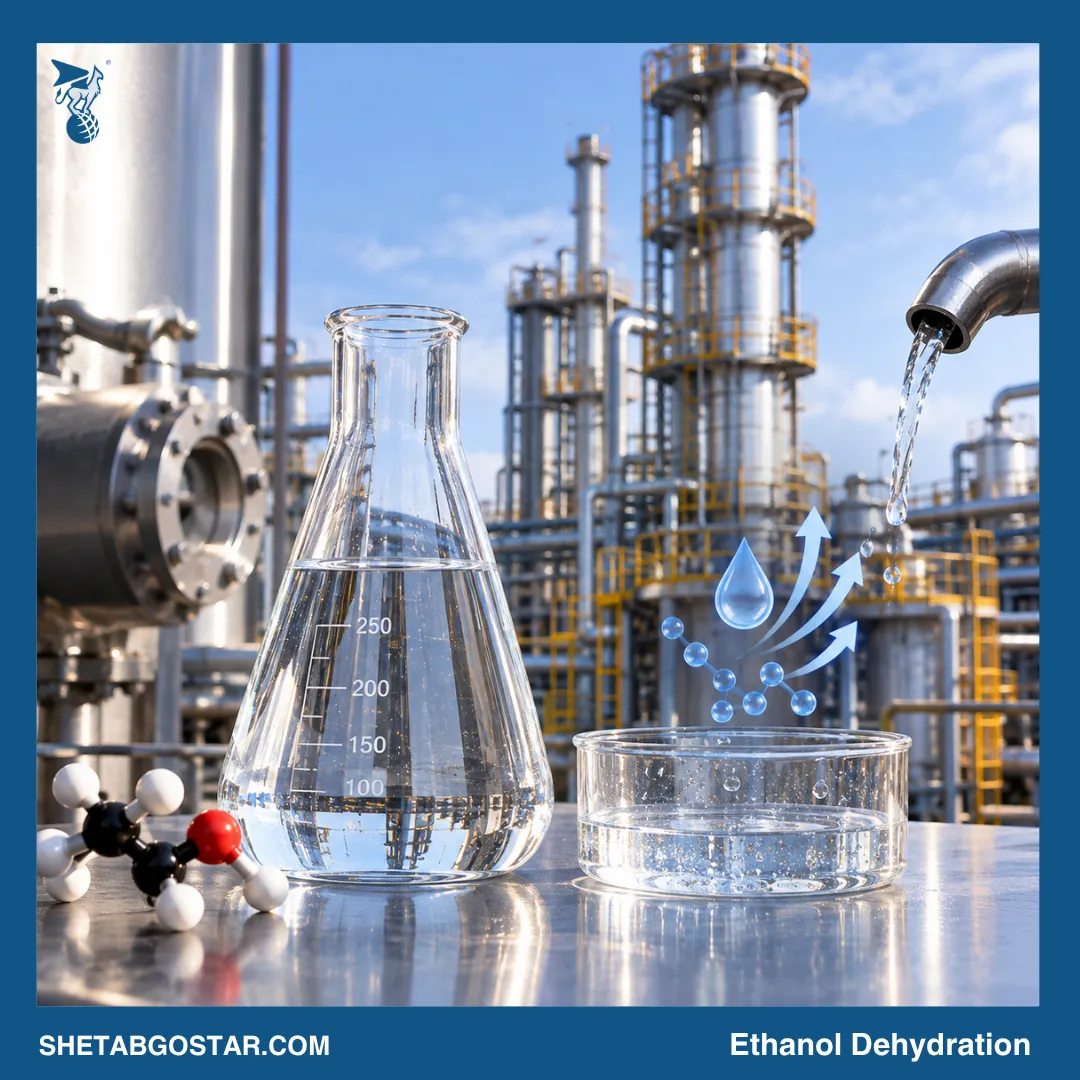
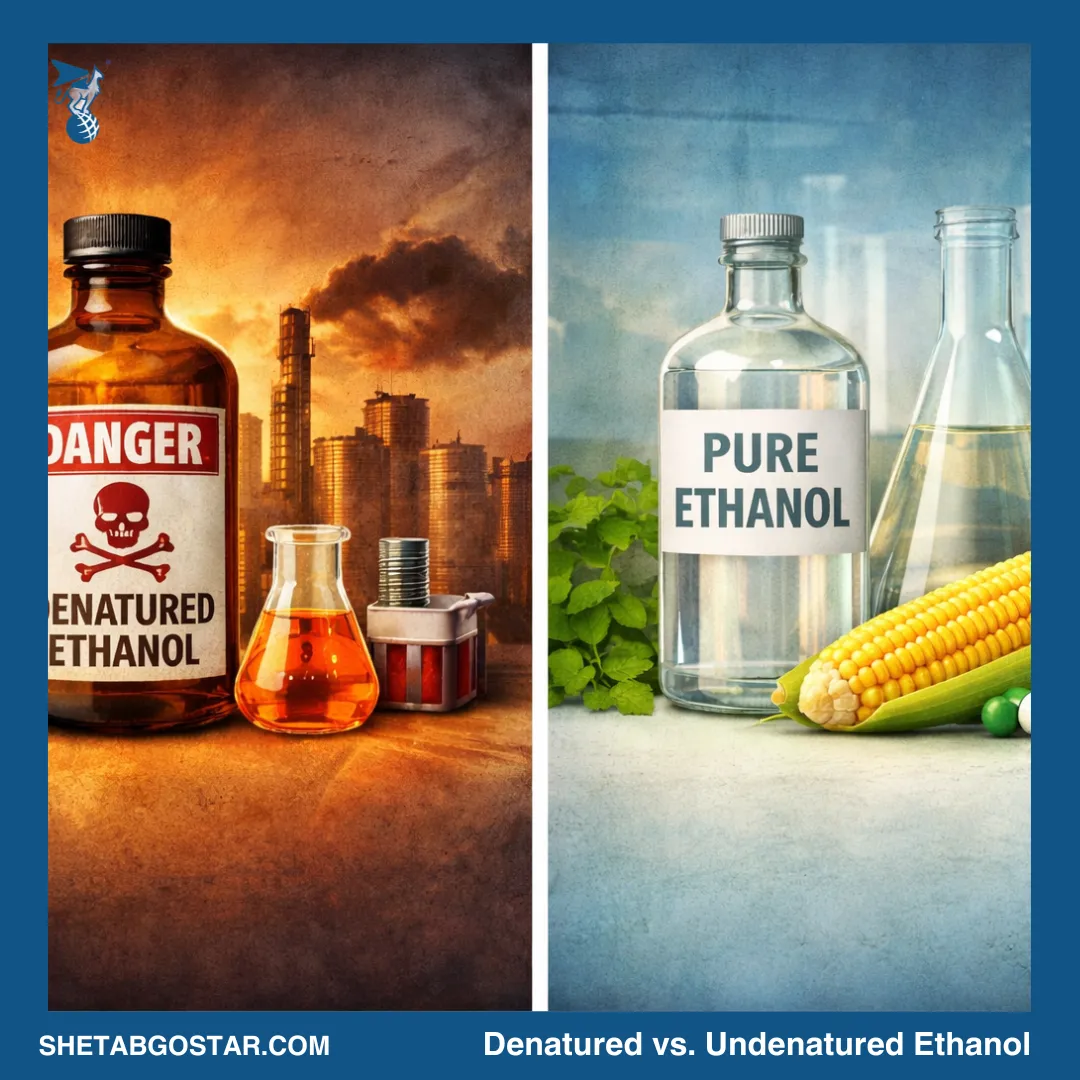
Denatured ethanol is ethanol that has been blended with specific additives to make it unsuitable for human consumption. These additives allow the product to be used in industrial applications while often reducing taxation and regulatory burdens.
Industries value denatured ethanol for its effectiveness as a solvent and its cost advantages in large-scale manufacturing.
Common Applications
- Paints and coatings
- Industrial cleaning products
- Printing inks
- Fuel blending
- Chemical production
What Is Undenatured Ethanol?
Undenatured ethanol is pure ethanol without denaturing agents. Because of its high purity, it is suitable for applications where product safety and ingredient quality are critical.
This type of ethanol is commonly used in highly regulated sectors that require strict quality standards.
Common Applications
- Pharmaceuticals
- Food processing
- Beverage manufacturing
- Cosmetics
- Laboratory research
Key Differences Between the Two Types
Purity Levels
One of the most important aspects of the denatured vs undenatured ethanol comparison is purity. Pure ethanol is preferred when additives could interfere with product performance or safety requirements.
Cost Considerations
Denatured ethanol is generally less expensive because it is not intended for consumption and may be exempt from certain taxes. This makes it an attractive option for many industrial operations.
Regulatory Requirements
Regulations vary by country and industry. Products intended for food, pharmaceutical, or cosmetic use often require undenatured ethanol, while industrial manufacturing can frequently utilize denatured grades.
End-Use Compatibility
The intended application should always guide product selection. Choosing the correct ethanol grade ensures compliance, performance, and product consistency.
Advantages of Denatured Ethanol
- Lower overall cost
- Reduced taxation in many markets
- Strong solvent properties
- Broad industrial availability
- Suitable for high-volume production
Advantages of Undenatured Ethanol
- High purity standards
- Suitable for sensitive formulations
- Meets food and pharmaceutical requirements
- Ideal for laboratory use
- Consistent product quality
How to Choose the Right Option
When evaluating denatured vs undenatured ethanol, companies should consider several factors:
Product Requirements
Determine whether additives can affect the final product or manufacturing process.
Compliance Standards
Review local and international regulations that apply to your industry.
Budget
Compare total procurement costs, including taxes, transportation, and storage requirements.
Supplier Reliability
Work with suppliers that provide technical documentation, certificates of analysis, and consistent quality.
Industrial Buying Considerations
Many buyers focus primarily on price, but quality and compliance should also be part of the decision-making process. A reliable supplier can help ensure consistent performance and reduce operational risks.
Understanding denatured vs undenatured ethanol requirements before procurement can prevent costly mistakes and improve supply chain efficiency.
Conclusion
The choice between denatured vs undenatured ethanol depends on application requirements, regulatory obligations, and budget considerations. Denatured ethanol is often preferred for industrial manufacturing due to its lower cost, while undenatured ethanol remains essential for food, pharmaceutical, and cosmetic applications. By evaluating purity, compliance, and performance needs, businesses can select the most appropriate solution for their operations.