Hydrochloric Acid Price: Factors Affecting Industrial Pricing
The hydrochloric acid price is influenced by several factors across the chemical supply chain. Industrial buyers often monitor raw material costs, energy prices, production capacity, transportation expenses, and regional supply and demand before purchasing hydrochloric acid in bulk.
Because hydrochloric acid is widely used in metal processing, water treatment, chemical manufacturing, and pH adjustment, changes in the industrial market can directly affect its pricing. Understanding these factors helps buyers make better procurement decisions and manage purchasing costs.
What Determines Hydrochloric Acid Price?
The hydrochloric acid price does not depend on a single factor. Instead, several production, logistics, and market conditions work together to determine the final cost.
For a deeper look at market fluctuations, buyers can also explore [HCl byproduct price volatility] and the factors that can influence hydrochloric acid supply and pricing.
1. Raw Material and Production Costs
Hydrochloric acid is commonly produced as a by-product of chlorination processes or through the direct synthesis of hydrogen and chlorine. Therefore, the availability and cost of chlorine, hydrogen, and related industrial inputs can influence production economics.
When input costs increase, manufacturers may adjust hydrochloric acid prices to maintain sustainable production margins.
2. Energy Costs
Energy is another important factor affecting industrial chemical production. Electricity and fuel are required for manufacturing, processing, storage, and handling operations.
Higher energy prices can increase operating expenses throughout the supply chain. As a result, energy market fluctuations may contribute to changes in the hydrochloric acid price.
3. Supply and Demand
Regional supply and demand have a major impact on chemical prices. When hydrochloric acid supply is limited while industrial demand remains strong, prices can increase.
Conversely, excess supply or weaker demand may create more competitive pricing. Buyers should therefore consider both local availability and broader regional market conditions when planning purchases.
How Transportation Affects Hydrochloric Acid Price
Transportation can represent a significant part of the delivered cost of hydrochloric acid. Because hydrochloric acid is a corrosive chemical, it requires suitable containers, compatible equipment, and careful handling during transportation.
Distance, transportation method, packaging requirements, fuel costs, and destination regulations can all affect the final delivered price.
For international buyers, the difference between an FOB price and a delivered or CIF price can therefore be substantial. Comparing these pricing terms helps buyers understand the actual cost of procurement.
Packaging and Storage Costs
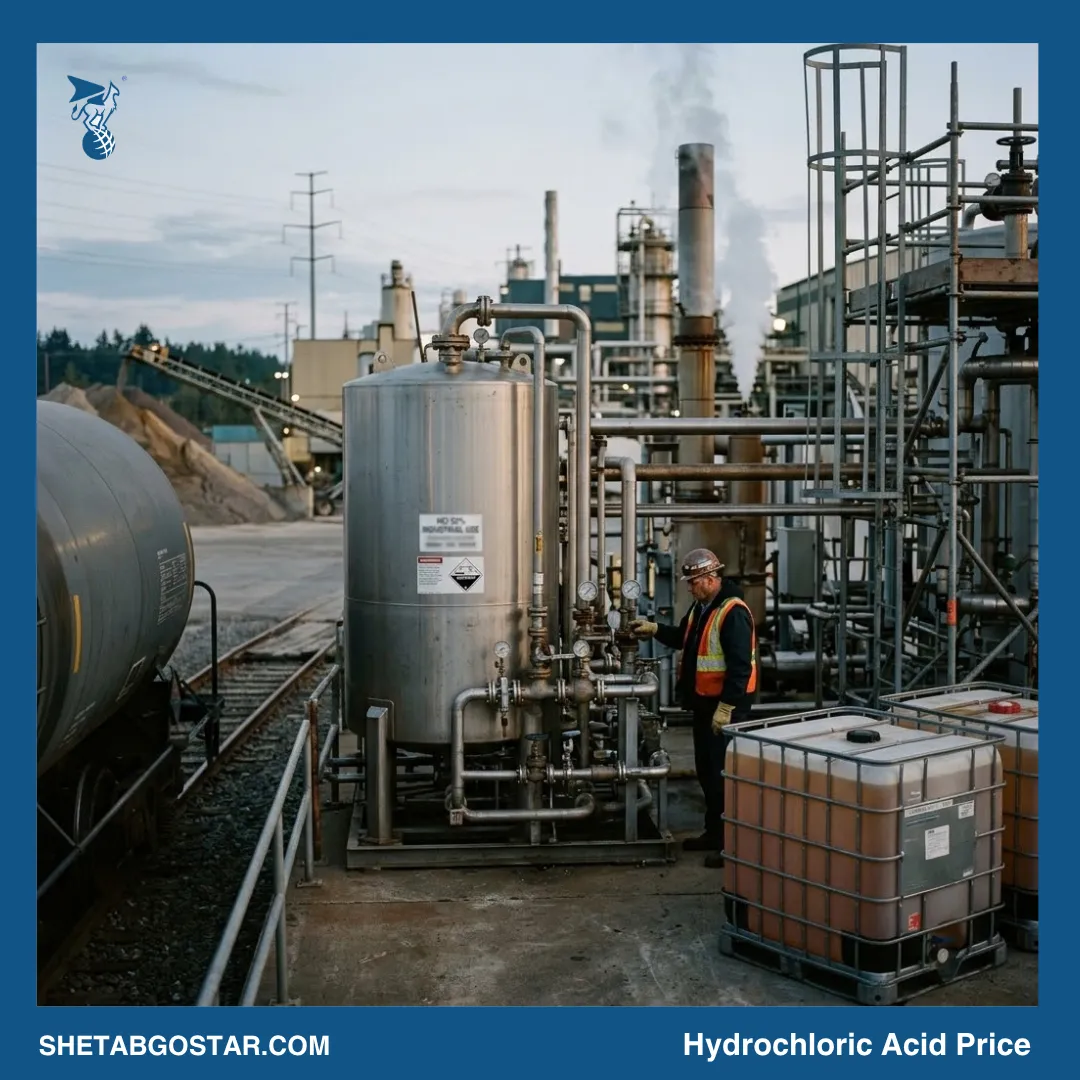
Packaging requirements also influence the overall cost of hydrochloric acid. Depending on concentration, volume, destination, and transportation method, suppliers may use bulk tankers, ISO tanks, or other compatible containers.
Storage infrastructure must also be designed to handle corrosive materials safely. Additional handling and storage requirements can increase the total purchasing cost.
Hydrochloric Acid Concentration and Quality
Concentration is another important pricing factor. Industrial hydrochloric acid is available at different concentrations, and higher or more specific quality requirements can affect production, handling, and transportation costs.
Buyers should specify the required concentration and quality grade before comparing supplier quotations. Comparing products with different specifications can result in misleading price comparisons.
Regional Market Conditions
The hydrochloric acid price can vary considerably between regions. Local production capacity, import requirements, industrial demand, transportation infrastructure, and availability of alternative suppliers all influence regional pricing.
For exporters and international buyers, currency movements, customs requirements, freight rates, and trade conditions can also affect the final transaction value.
How Industrial Buyers Can Manage Costs
Companies purchasing hydrochloric acid in bulk can take several steps to manage procurement costs:
- Compare quotations from multiple qualified suppliers.
- Confirm concentration and quality specifications before comparing prices.
- Separate the product price from freight and other logistics costs.
- Review Incoterms such as FOB and CIF carefully.
- Consider long-term supply contracts when demand is predictable.
- Evaluate packaging and transportation requirements in advance.
- Monitor energy, freight, and regional chemical market trends.
These steps can provide a clearer picture of the total cost rather than focusing only on the quoted product price.
Final Thoughts
The hydrochloric acid price is shaped by a combination of production costs, energy prices, supply and demand, concentration, packaging, transportation, and regional market conditions. For industrial buyers, understanding these factors is essential for comparing supplier offers and planning cost-effective procurement.
Rather than evaluating a quotation based only on the headline price, buyers should consider the complete delivered cost, product specifications, logistics, and supplier reliability. This approach can support more informed purchasing decisions in both domestic and international markets.