Sourcing Industrial Chemicals: A Guide to Suppliers, Specifications and Export
Sourcing industrial chemicals requires more than finding a supplier with a competitive price. Businesses must evaluate product quality, technical specifications, supplier reliability, export documentation, packaging, and transportation before making a purchasing decision. A well-organized sourcing process helps manufacturers, distributors, and industrial buyers reduce procurement risks and maintain consistent production.
This guide explains how to source industrial chemicals efficiently, compare suppliers, verify product specifications, and manage international chemical shipments.
Working with an experienced exporter of chemicals can help industrial buyers evaluate product quality, verify technical documentation, and manage international procurement more efficiently.
1. Understanding Industrial Chemical Sourcing
Industrial chemical sourcing is the process of identifying, evaluating, and purchasing chemicals required for manufacturing, processing, water treatment, mining, pharmaceuticals, and other industrial applications.
Companies may purchase chemicals from domestic manufacturers, international producers, authorized distributors, or chemical exporters. The right sourcing channel depends on product availability, order volume, quality requirements, delivery schedules, and the destination market.
Before contacting suppliers, buyers should define their requirements clearly. These typically include the chemical name, grade, required quantity, purity level, intended application, packaging format, and delivery destination.
A clear purchasing specification helps suppliers provide accurate quotations and reduces misunderstandings during order fulfillment.
2. How to Evaluate Industrial Chemical Suppliers
Choosing a reliable supplier is one of the most important steps in sourcing industrial chemicals. A low quotation does not necessarily represent the best purchasing option, especially when product quality and delivery reliability affect production.
Consider the following factors when evaluating potential suppliers.
Manufacturing Capability and Product Availability
Determine whether the supplier manufactures the chemical directly or purchases it from another producer. Manufacturers may offer better visibility into production schedules and quality control, while distributors can provide access to multiple products and flexible order quantities.
Check production capacity, available inventory, minimum order quantities, and the supplier’s ability to meet recurring demand.
Quality Assurance and Traceability
Reliable suppliers should provide appropriate technical documentation and explain how they maintain product consistency. Depending on the chemical, relevant documents may include a Certificate of Analysis (CoA), Safety Data Sheet (SDS), and technical data sheet.
Buyers should also confirm whether batch numbers and production records allow products to be traced throughout the supply chain.
Export Experience
For international purchases, assess the supplier’s experience with export procedures, customs documentation, dangerous goods requirements, and destination-country regulations.
An experienced chemical exporter should be able to explain packaging options, shipment arrangements, documentation requirements, and expected delivery timelines.
3. Checking Industrial Chemical Specifications
Product specifications determine whether a chemical is suitable for a particular industrial process. Buyers should review the technical requirements before requesting a final quotation or approving a shipment.
Important specification parameters may include:
- Purity or concentration: The percentage of the main chemical component in the product.
- Impurity levels: Limits for substances that could interfere with the intended application.
- Physical properties: Parameters such as density, viscosity, particle size, color, or appearance, where relevant.
- Chemical performance: Properties that influence the product’s behavior under specific process conditions.
- Grade and applicable standards: Requirements associated with industrial, food-related, pharmaceutical, or other regulated applications.
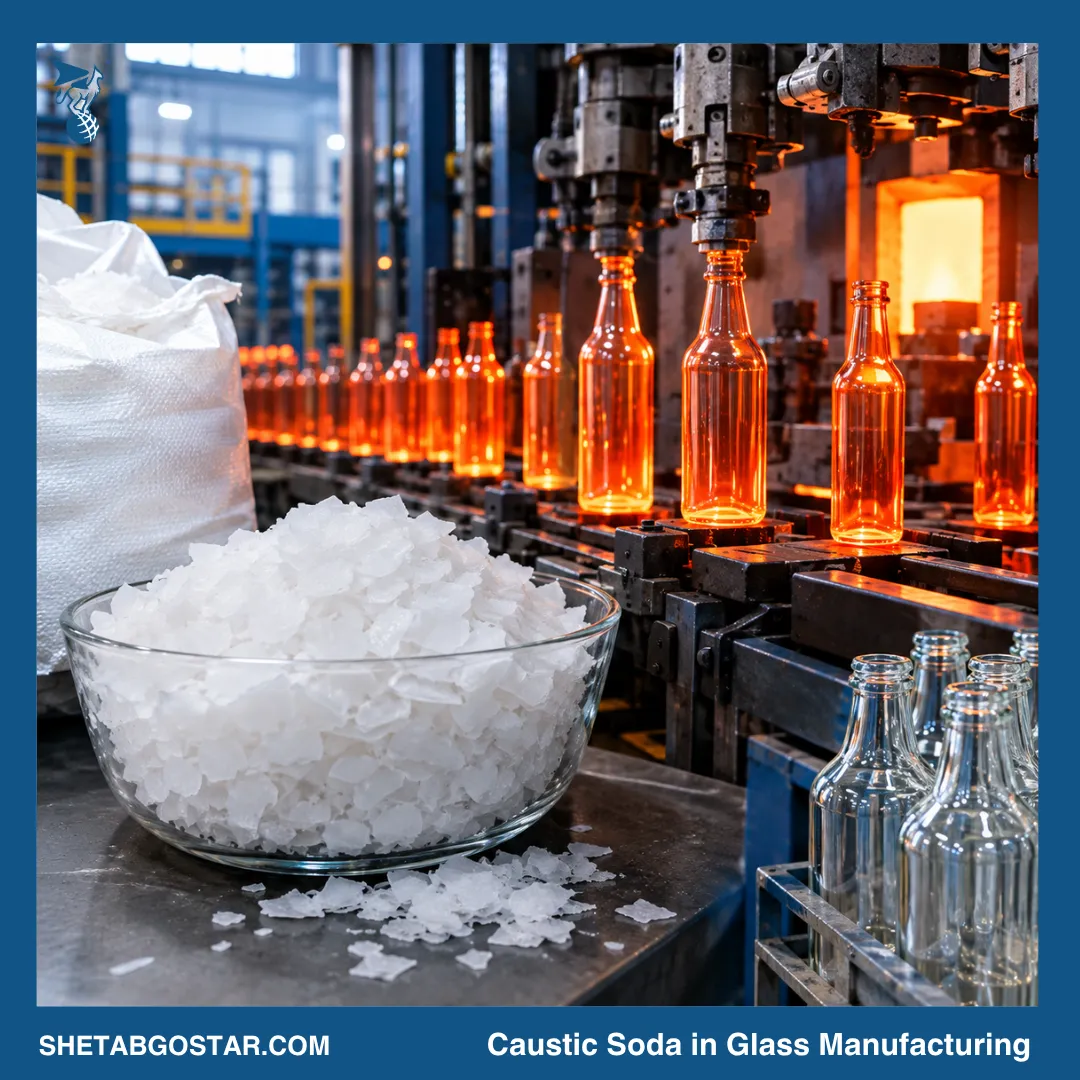
The exact parameters depend on the chemical and its intended use. For example, caustic soda buyers may need to assess sodium hydroxide concentration, sodium carbonate content, and other impurities. Ethanol purchasers may focus on alcohol concentration, water content, and applicable grade requirements.
A Certificate of Analysis should be reviewed against the agreed product specification rather than accepted without verification. For critical applications, buyers may also require independent laboratory testing or a pre-shipment inspection.
4. Comparing Supplier Quotations and Total Procurement Costs
Comparing industrial chemical suppliers solely on unit price can lead to expensive purchasing decisions. A more reliable approach considers the total cost of acquiring and delivering the chemical.
The main cost components include:
- Product price per unit or metric ton.
- Packaging and handling charges.
- Inland transportation and port-related expenses.
- Freight and insurance, where applicable.
- Customs duties, taxes, and clearance fees.
- Inspection, testing, and documentation costs.
- Storage, unloading, and delivery expenses.
Payment terms, minimum order quantities, lead times, and potential delays can also affect the overall procurement budget.
For international transactions, buyers should compare quotations using clearly defined Incoterms. For example, FOB and CIF quotations allocate certain costs and responsibilities differently. The specific obligations should be confirmed under the applicable Incoterms rules and the sales contract.
A transparent quotation should identify the product grade, quantity, packaging, delivery basis, payment conditions, and estimated shipment schedule.
5. Essential Documents for Chemical Exports
Export documentation is a critical part of international chemical sourcing. Missing or inconsistent documents can delay customs clearance, interrupt deliveries, and increase logistics costs.
For a practical example of export documentation and shipment coordination, explore our guide to ethanol export documentation and international shipping requirements.
Depending on the product, origin, destination, and transport method, the required documents may include:
- Commercial Invoice: States the transaction value, product description, and seller and buyer details.
- Packing List: Identifies package quantities, weights, and shipment contents.
- Certificate of Analysis (CoA): Reports relevant analytical results for a specific product batch.
- Safety Data Sheet (SDS): Provides information about chemical hazards, safe handling, storage, and emergency measures.
- Certificate of Origin: Identifies the country of origin when required by the transaction or destination authorities.
- Transport Documents: May include a bill of lading for sea freight or other documents appropriate to the transport method.
- Dangerous Goods Documentation: Required when applicable under the relevant transport regulations.
Additional permits, registrations, declarations, or conformity documents may be necessary for specific chemicals and markets.
Buyers and exporters should confirm current requirements with customs authorities, freight forwarders, and relevant regulatory agencies before shipment. Documentation requirements should never be assumed to be identical across all chemical products.
6. Choosing the Right Packaging and Transportation Method
Packaging and transportation affect product safety, chemical stability, handling efficiency, and delivery costs.
Common industrial chemical packaging options include drums, jerrycans, bags, intermediate bulk containers (IBCs), and bulk tankers. The appropriate format depends on whether the product is liquid or solid, its chemical compatibility requirements, shipment volume, and destination infrastructure.
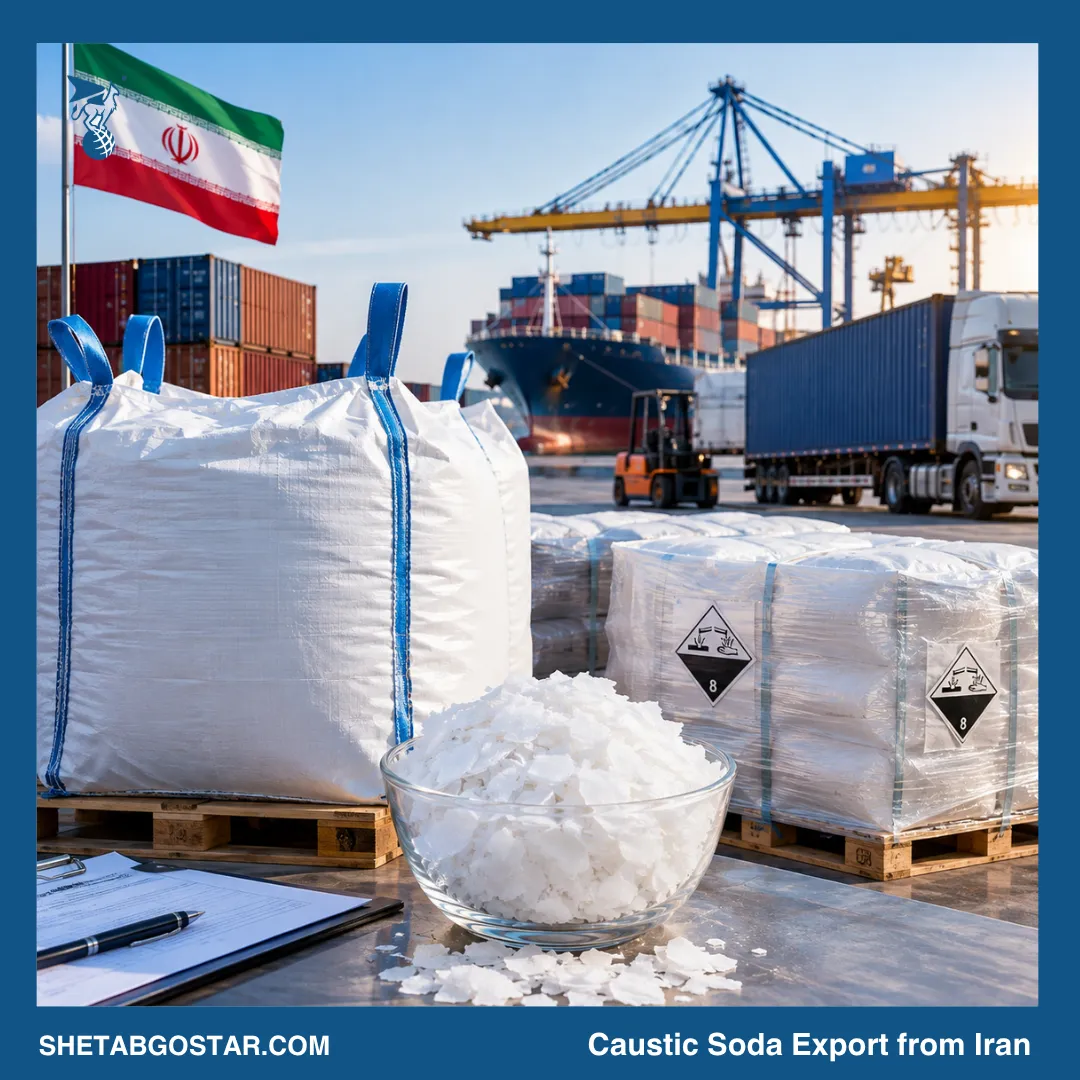
For example, liquid chemicals may be shipped in suitable drums, IBCs, ISO tanks, or bulk tankers. Solid chemicals such as caustic soda flakes may be transported in appropriately specified bags or other approved packaging formats.
When selecting packaging, buyers should consider:
- Compatibility between the chemical and packaging material.
- Protection against moisture, contamination, leakage, and damage.
- Applicable packaging and labeling regulations.
- Loading, unloading, and warehouse requirements.
- Available storage capacity at the destination.
Transport arrangements must also account for chemical hazards. Products classified as dangerous goods may require specific packaging, labels, documentation, and handling procedures under applicable regulations.
The supplier and logistics provider should agree on these requirements before dispatch.
7. Managing Risks in International Chemical Procurement
International chemical sourcing can involve supply disruptions, inconsistent product quality, payment risks, regulatory changes, and transportation delays.
Businesses can reduce these risks through a structured procurement process.
Verify the Supplier
Confirm the supplier’s legal identity, business credentials, production or distribution capability, and export experience. For large orders, consider factory audits, independent inspections, or other appropriate verification procedures.
Establish a Clear Contract
The purchase contract should define product specifications, acceptable tolerances, quantity, price, packaging, delivery terms, payment conditions, inspection procedures, and the process for handling nonconforming products.
It should also clarify responsibility for shipping arrangements, insurance where applicable, and documentation.
Plan Supply Continuity
Companies that depend on critical chemicals should evaluate lead times, inventory requirements, and alternative qualified suppliers. Maintaining suitable safety stock can help reduce the impact of unexpected delays.
However, inventory decisions must account for each chemical’s shelf life, storage conditions, compatibility, and safety requirements.
Check Regulatory Compliance
Chemical imports and exports may be subject to restrictions involving hazardous substances, environmental controls, customs rules, sanctions, or end-use requirements.
Confirm that the transaction complies with the applicable laws and restrictions in the exporting, transit, and importing jurisdictions before placing the order.
8. Building a More Efficient Chemical Sourcing Strategy
An effective sourcing strategy connects technical requirements with commercial and logistical planning.
Businesses can improve procurement efficiency by standardizing product specifications, maintaining an approved supplier list, tracking supplier performance, and reviewing purchasing costs regularly.
Digital procurement systems can also help organize quotations, compare technical documents, monitor delivery schedules, and maintain purchasing records.
For companies sourcing multiple chemicals, consolidating orders may reduce certain transportation or administrative costs. However, consolidation should only be used when the products are compatible and the shipment complies with applicable safety and transport requirements.
Regular supplier reviews help identify quality problems, recurring delays, and opportunities to improve contractual terms.
Conclusion
Sourcing industrial chemicals successfully requires a balanced approach to supplier selection, product specifications, pricing, export documentation, and logistics. Buyers should verify supplier credentials, define technical requirements, compare total procurement costs, and confirm regulatory obligations before finalizing an order.
By applying a consistent sourcing process, manufacturers and distributors can improve product quality, reduce procurement risks, and build more reliable international supply relationships.
Looking for a reliable industrial chemical supplier? Work with an experienced producer and exporter that understands product specifications, quality documentation, and international shipping requirements. Request a detailed quotation to discuss your chemical requirements, order volume, packaging preferences, and delivery destination.