How to Verify the Purity of 98% Caustic Soda Flakes Before Buying
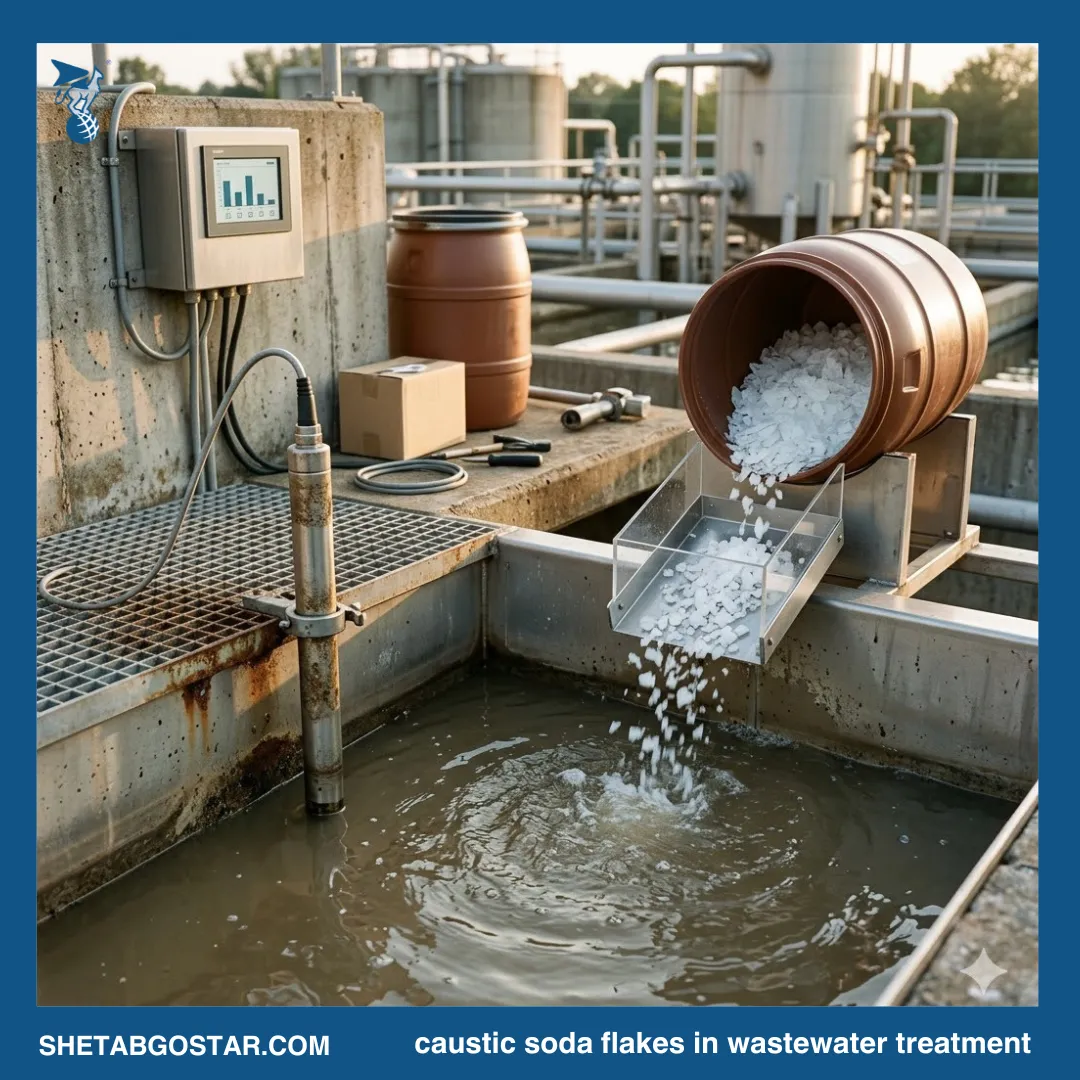
When purchasing industrial-grade sodium hydroxide flakes, ensuring product quality is essential. The caustic soda flakes purity plays a critical role in performance across chemical, textile, and water treatment industries.
Even small variations in material quality can impact production efficiency and safety. That is why checking the caustic soda flakes purity before buying is a key step in procurement.
Why Product Quality Matters
High-grade sodium hydroxide ensures:
- Stable chemical reactions
- Accurate dosing in production
- Reduced contamination risk
- Better efficiency in industrial systems
- Longer equipment lifespan
Lower-quality material may contain excess moisture or unwanted salts, which can negatively affect processes.
1. Review the Certificate of Analysis (COA)
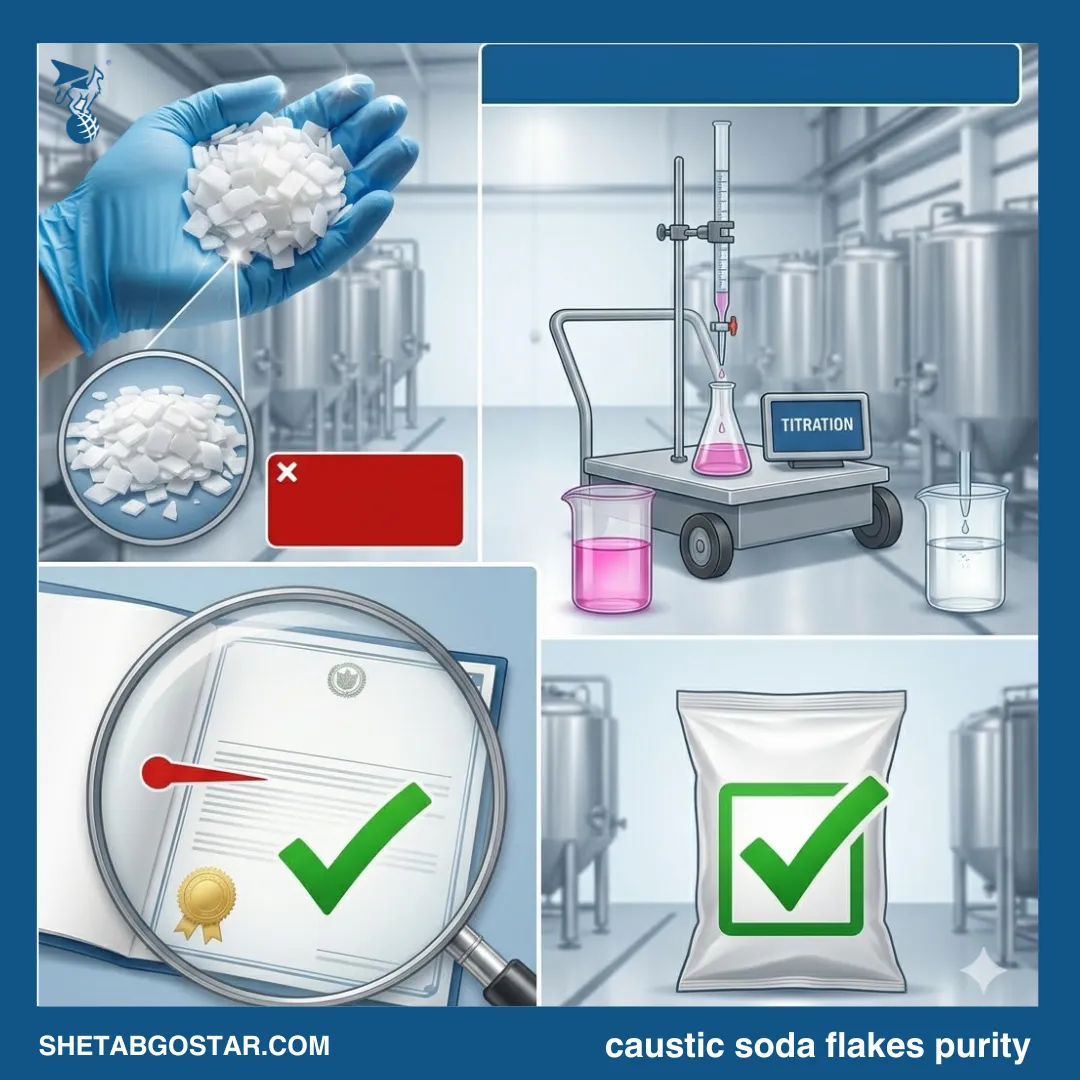
The first step is always checking the supplier’s COA document.
It should include:
- Active NaOH percentage (target around 98%)
- Sodium carbonate content
- Chloride levels
- Iron content
- Moisture percentage
A reliable supplier provides batch-specific documentation, not generic reports.
2. Independent Laboratory Testing
For accurate verification, third-party testing is recommended.
Common methods include:
- Acid-base titration for active content
- Karl Fischer method for moisture detection
- ICP analysis for trace metals
- Gravimetric methods for impurity measurement
These tests provide the most reliable quality confirmation.
3. Physical Inspection
Visual examination can give initial quality clues:
High-grade material is usually:
- White or slightly off-white
- Dry and free-flowing
- Uniform in flake size
- Free from discoloration
Any yellowing or clumping may indicate contamination or moisture absorption.
4. Solubility Test
A simple field test can also help:
- Dissolve a small sample in clean water
- Observe clarity and residue
Good-quality material dissolves completely and forms a clear solution without sediment.
5. Packaging Quality
Proper packaging helps maintain stability and shelf life.
Look for:
- Moisture-resistant multi-layer bags
- Sealed industrial drums
- Clear labeling and batch tracking
Poor packaging can reduce product stability over time.
6. Supplier Evaluation
Always evaluate the supplier carefully:
- Export experience
- Certifications (ISO, REACH, etc.)
- Transparency in specifications
- Consistent product quality history
Reliable sourcing reduces risk significantly.
7. Technical Specification Benchmark
Standard industrial grade specifications usually include:
- NaOH: ~98%
- Sodium carbonate: ≤ 0.5%
- Sodium chloride: very low levels
- Iron: trace amounts only
- Moisture: minimal percentage
Any major deviation should raise concern.
Warning Signs of Low Quality
- Missing or incomplete documentation
- Unusually low price
- Moist or sticky flakes
- Lack of traceability
- Inconsistent batch results
Conclusion
Verifying product quality before purchasing is essential for industrial safety and efficiency. By combining documentation review, laboratory testing, physical inspection, and supplier evaluation, buyers can significantly reduce the risk of receiving substandard material.