What Factors Influence the Bulk Price of 96% Ethanol in the Chemical Market?
The 96 ethanol price is influenced by much more than simple supply and demand. For chemical manufacturers, distributors, and industrial buyers, understanding the variables behind ethanol pricing can help improve procurement strategies, reduce purchasing costs, and ensure a stable supply.
Whether you purchase ethanol for pharmaceuticals, coatings, cosmetics, chemical synthesis, or industrial cleaning, the final bulk price depends on several interconnected market factors. This article explains the most important elements that determine the 96 ethanol price and how buyers can make better purchasing decisions.
1. Raw Material Costs
The largest factor affecting the 96 ethanol price is the cost of raw materials used during production.
Depending on the production method, ethanol may be manufactured from:
- Corn
- Sugarcane
- Wheat
- Molasses
- Synthetic ethylene
Agricultural feedstock prices fluctuate due to:
- Weather conditions
- Crop yields
- Export restrictions
- Fertilizer costs
- Global commodity markets
When feedstock prices rise, ethanol manufacturers experience higher production costs that are usually reflected in bulk pricing.
2. Production and Energy Costs
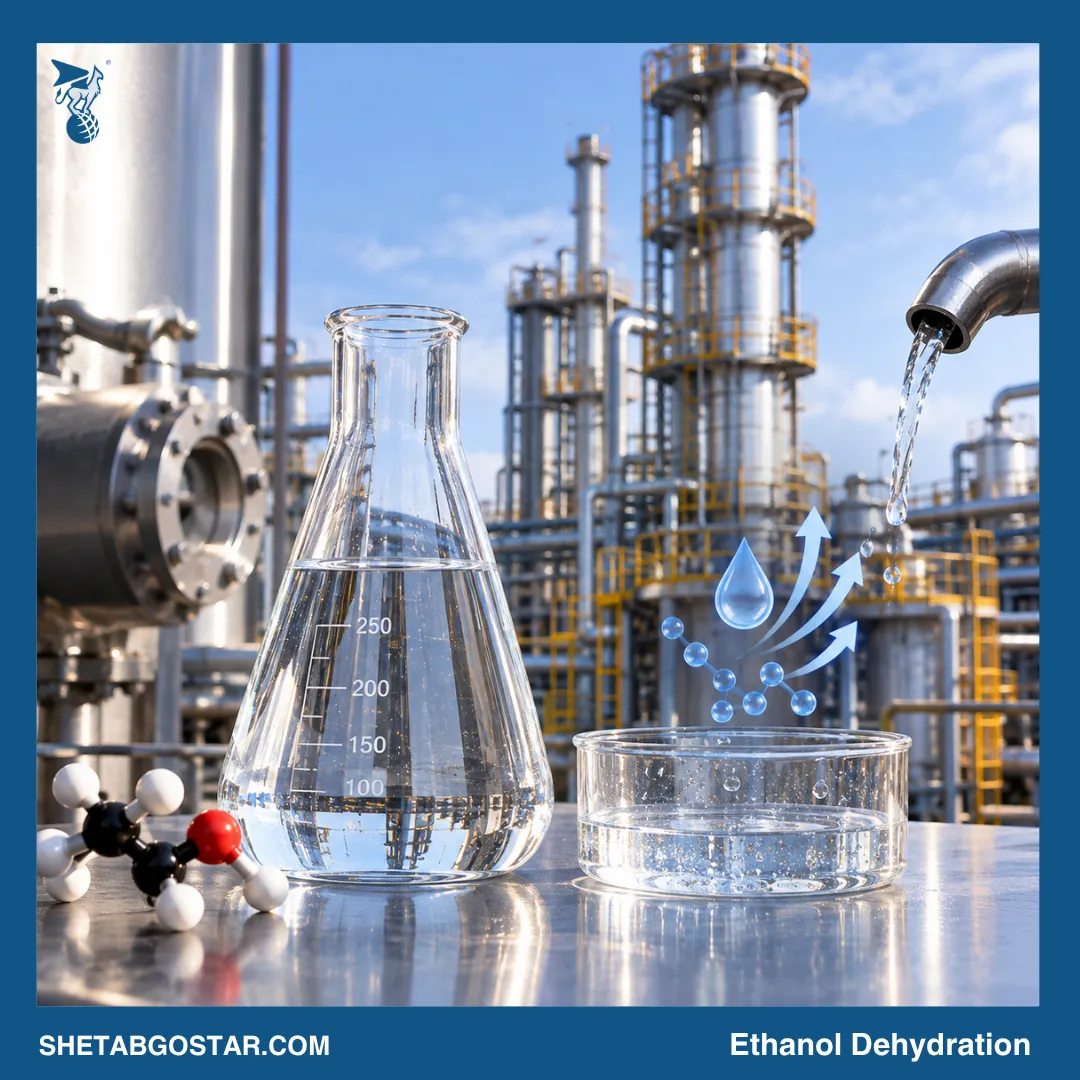
Producing 96% ethanol requires fermentation, distillation, purification, and quality testing. These processes consume significant amounts of:
- Electricity
- Steam
- Natural gas
- Cooling water
Higher energy prices directly increase manufacturing expenses.
Modern facilities with efficient distillation systems can often offer more competitive prices than older production plants because of reduced operating costs.
3. Purity Specifications and Product Grade
Not every 96% ethanol product has the same market value.
Pricing varies depending on the required specification, including:
- Industrial grade
- Food grade
- Pharmaceutical grade
- Cosmetic grade
- Denatured ethanol
- Undenatured ethanol
Additional certifications and stricter impurity limits increase production and testing costs, resulting in higher prices.
4. Bulk Purchase Volume
Order quantity has a major impact on the 96 ethanol price.
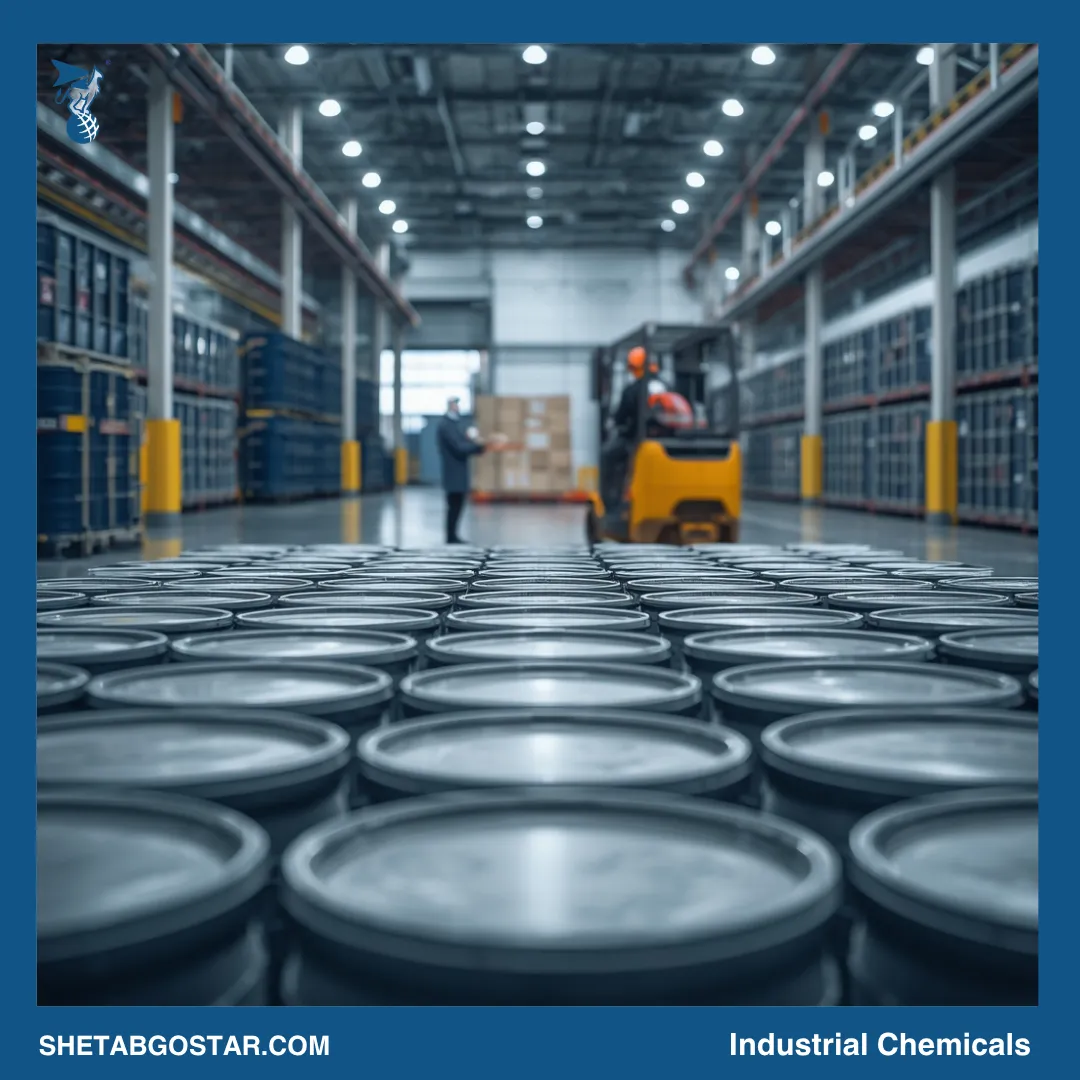
Typical purchasing volumes include:
| Purchase Volume | Expected Price Level |
|---|---|
| 20–50 L | Highest |
| 200 L Drum | Moderate |
| IBC Tote (1000 L) | Lower |
| Tank Truck | Lower |
| ISO Tank Container | Lowest per liter |
Manufacturers generally provide significant discounts for large-volume orders because packaging, handling, and transportation costs decrease on a per-unit basis.
5. Global Supply and Demand
Like most industrial chemicals, ethanol prices respond quickly to changes in market demand.
Major consuming industries include:
- Pharmaceuticals
- Cosmetics
- Chemical manufacturing
- Paints and coatings
- Printing inks
- Industrial cleaning
- Fuel blending
When several sectors simultaneously increase purchasing, global inventories tighten and prices generally rise.
Conversely, periods of oversupply often create favorable purchasing opportunities.
6. Freight and Logistics Costs
Transportation has become one of the most significant contributors to the final 96 ethanol price.
Important logistics expenses include:
- Ocean freight
- Inland trucking
- Hazardous goods transportation
- Fuel surcharges
- Container availability
- Port handling fees
- Customs clearance
Even if the manufacturer’s selling price remains unchanged, higher freight rates can substantially increase the delivered cost of ethanol.
7. Supplier Location
The geographic location of the supplier affects overall procurement costs.
Buyers should evaluate:
- Distance from production facilities
- Shipping routes
- Export infrastructure
- Transit times
- Regional taxes
- Trade agreements
Sometimes a supplier offering a slightly higher product price may provide a lower total landed cost because of reduced transportation expenses.
8. Government Regulations and Taxes
National regulations significantly influence ethanol pricing.
Examples include:
- Export duties
- Import tariffs
- Excise taxes
- Environmental regulations
- Biofuel mandates
- Alcohol licensing requirements
Changes in government policy can rapidly affect both supply availability and international market prices.
9. Currency Exchange Rates
International ethanol transactions are commonly priced in US dollars.
Currency fluctuations can influence procurement costs for buyers importing from overseas.
For importers, monitoring exchange rates alongside supplier quotations helps optimize purchasing timing.
10. Supplier Reputation and Supply Reliability
The cheapest quotation is not always the most economical option.
Reliable suppliers provide:
- Consistent quality
- Valid COA documentation
- Safety Data Sheets (SDS)
- On-time delivery
- Stable production capacity
- Technical support
- Regulatory compliance
Working with a reliable ethanol supplier reduces operational risks and minimizes costly supply disruptions.
11. Packaging Method
Packaging also contributes to the final 96 ethanol price.
Common packaging options include:
- Plastic drums
- Steel drums
- IBC totes
- Tank trucks
- ISO tank containers
Large bulk shipments typically offer the lowest packaging cost per liter.
12. Seasonal Market Conditions
Certain seasonal trends may temporarily affect ethanol prices.
Examples include:
- Increased sanitizer demand
- Harvest season affecting feedstock availability
- Fuel blending requirements
- Holiday logistics congestion
- Extreme weather disrupting transportation
Monitoring seasonal market trends allows procurement teams to purchase before major price increases occur.
How Buyers Can Reduce the 96 Ethanol Price
Professional procurement teams can lower purchasing costs by:
- Purchasing larger shipment volumes
- Comparing multiple qualified suppliers
- Negotiating annual supply contracts
- Planning purchases before peak demand periods
- Optimizing shipping methods
- Selecting suppliers located closer to the destination market
- Monitoring raw material and freight market trends
These strategies help reduce the total landed cost rather than focusing solely on the supplier’s quoted price.
Conclusion
The 96 ethanol price is determined by a combination of production costs, feedstock availability, transportation expenses, regulatory requirements, market demand, supplier reliability, and purchasing volume. Buyers who understand these pricing drivers are better positioned to negotiate competitive contracts and build resilient supply chains.
Rather than selecting a supplier based only on the lowest quoted price, businesses should evaluate the complete procurement picture—including product quality, logistics, documentation, and long-term supply stability—to achieve the best overall value.