The Critical Role of Sulfuric Acid in Copper Leaching and Lead-Acid Batteries
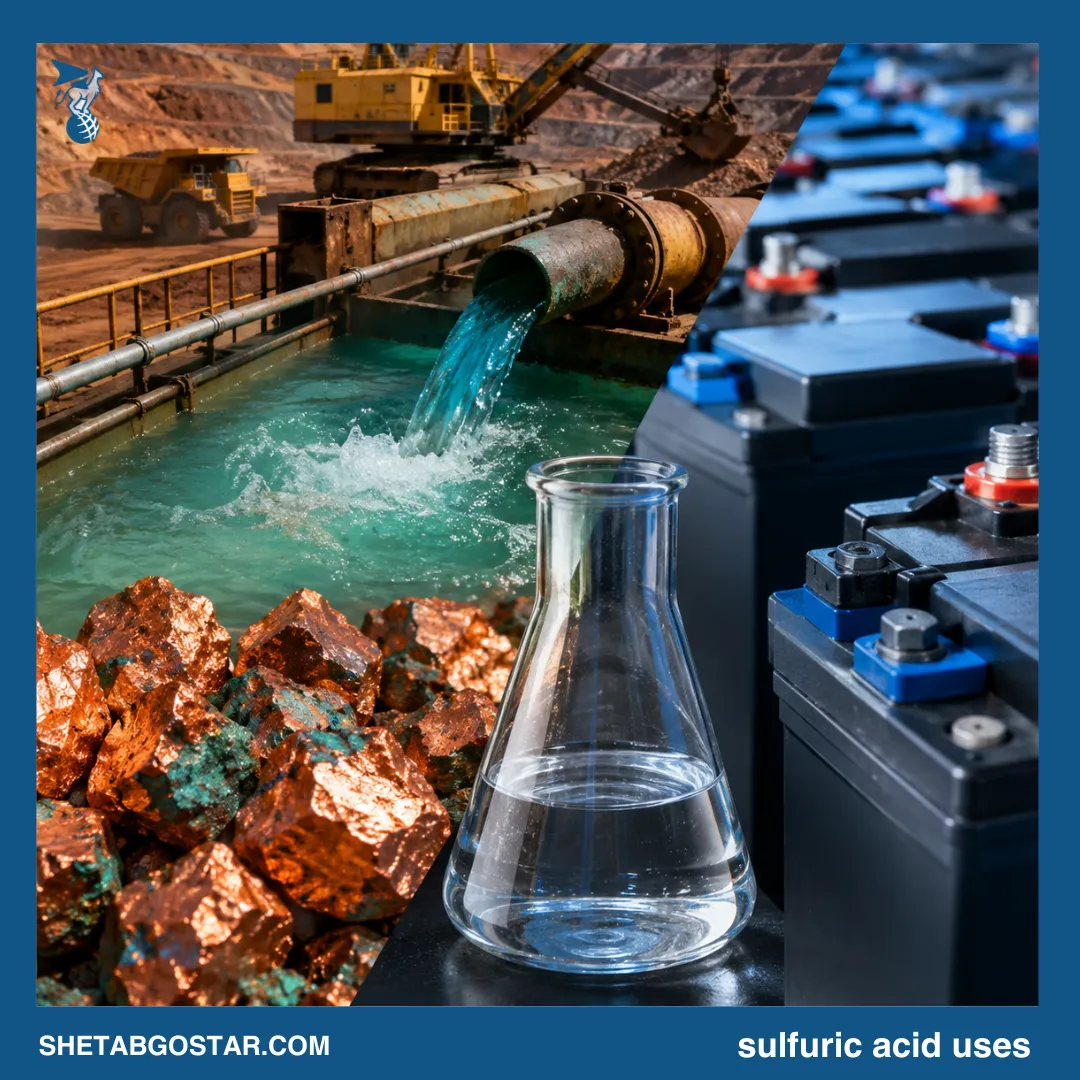
Sulfuric acid uses extend far beyond laboratory applications. Today, sulfuric acid is considered one of the most important industrial chemicals worldwide due to its critical role in mining, chemical manufacturing, fertilizers, petroleum refining, and battery production. Among its many applications, copper leaching and lead-acid battery manufacturing are two of the industries that rely on sulfuric acid the most.
Its strong acidic properties, high efficiency, and relatively low production cost make sulfuric acid an indispensable raw material for extracting valuable metals and storing electrical energy. Understanding these sulfuric acid uses helps manufacturers, engineers, and procurement specialists make informed decisions about industrial chemical sourcing.
Why Sulfuric Acid Is Essential in Modern Industry
Sulfuric acid (H₂SO₄) is one of the highest-volume chemicals produced globally. It functions as a powerful acid, dehydrating agent, catalyst, and reactant across numerous industrial processes.
Some of the most common sulfuric acid uses include:
- Fertilizer production
- Copper and uranium leaching
- Lead-acid battery manufacturing
- Petroleum refining
- Water treatment
- Chemical synthesis
- Metal processing
- Pharmaceutical production
Its versatility explains why sulfuric acid consumption is often considered an indicator of a country’s industrial development.
Sulfuric Acid Uses in Copper Leaching
Copper is one of the world’s most valuable industrial metals, but much of today’s copper comes from low-grade oxide ores that cannot be economically processed by traditional smelting alone. The availability and pricing of sulfuric acid are also closely linked to global copper production, making market dynamics an important consideration for industrial buyers.
This is where sulfuric acid becomes essential.
What Is Copper Leaching?
Copper leaching is a hydrometallurgical process in which sulfuric acid dissolves copper from oxide ores. Instead of melting the ore at extremely high temperatures, the acid chemically extracts the copper into solution.
The simplified reaction is:
Copper Oxide + Sulfuric Acid → Copper Sulfate + Water
The copper-rich solution is then processed through solvent extraction and electrowinning (SX-EW) to produce high-purity copper cathodes.
Advantages of Using Sulfuric Acid in Copper Extraction
The mining industry depends heavily on sulfuric acid because it offers several benefits.
Higher Metal Recovery
Sulfuric acid efficiently dissolves copper minerals from low-grade ores, increasing overall metal recovery rates.
Lower Processing Costs
Hydrometallurgical extraction often requires less energy than conventional smelting, reducing operational expenses.
Environmentally Improved Operations
Compared to traditional pyrometallurgical methods, copper leaching generally generates fewer air emissions and can reduce the environmental footprint when managed properly.
Processing Low-Grade Ores
Many mining operations would not be economically viable without sulfuric acid leaching technology.
Industries That Depend on Copper Leaching
Copper produced through acid leaching supports numerous industries, including:
- Electrical wiring
- Renewable energy
- Electric vehicles
- Telecommunications
- Construction
- Electronics manufacturing
As global electrification accelerates, demand for copper—and therefore sulfuric acid—continues to increase.
Sulfuric Acid Uses in Lead-Acid Batteries
Another of the most significant sulfuric acid uses is in lead-acid batteries.
These batteries remain widely used despite advances in lithium-ion technology because they are reliable, recyclable, and cost-effective.
Common applications include:
- Automotive starter batteries
- Backup power systems
- Telecommunications
- UPS systems
- Solar energy storage
- Industrial forklifts
How Sulfuric Acid Works Inside a Lead-Acid Battery
Sulfuric acid serves as the electrolyte inside the battery.
When the battery discharges, sulfuric acid reacts with both the positive and negative lead plates to generate electrical energy.
During charging, the reaction reverses, restoring sulfuric acid concentration and allowing repeated use.
Without sulfuric acid, the electrochemical reactions required for energy storage would not occur.
Benefits of Sulfuric Acid in Battery Production
Manufacturers choose sulfuric acid because it offers several technical advantages.
Excellent Electrical Conductivity
The electrolyte efficiently transfers ions between battery plates.
Stable Chemical Performance
Sulfuric acid maintains reliable performance through thousands of charging and discharging cycles.
Cost-Effective Manufacturing
Compared to alternative electrolyte systems, sulfuric acid remains economical for large-scale battery production.
High Recycling Rate
Lead-acid batteries have one of the highest recycling rates of any consumer product, making sulfuric acid-based battery systems relatively sustainable.
Industrial Quality Requirements
Not all sulfuric acid grades are suitable for every application.
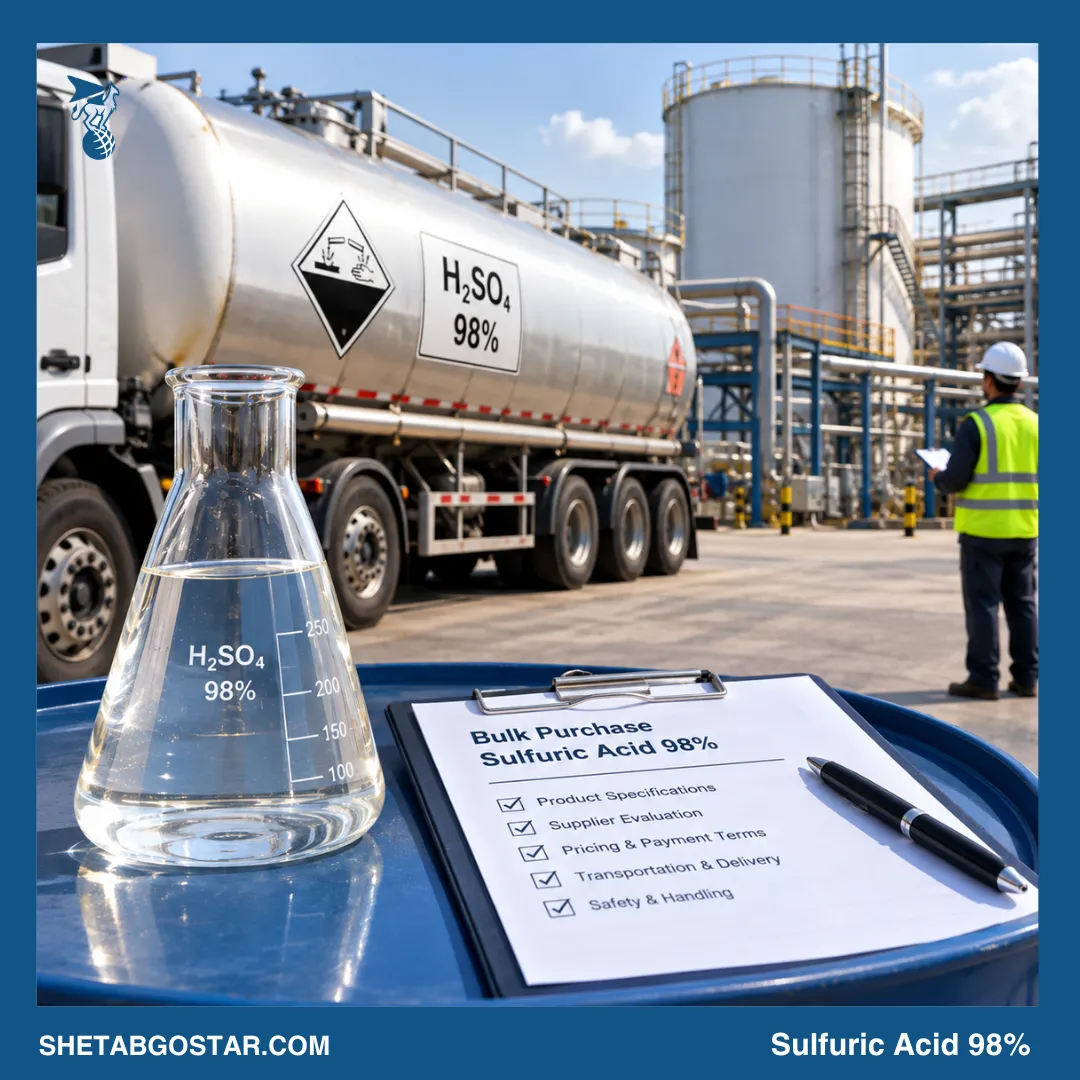
Choosing a reliable sulfuric acid supplier is essential for mining, battery manufacturing, and other industrial applications where consistent quality directly affects production performance. Industrial buyers typically evaluate suppliers based on:
- Purity level
- Iron content
- Heavy metal impurities
- Chloride concentration
- Appearance
- Consistency between production batches
- Compliance with international quality standards
Reliable quality control is especially important in mining and battery manufacturing, where impurities can negatively affect production efficiency.
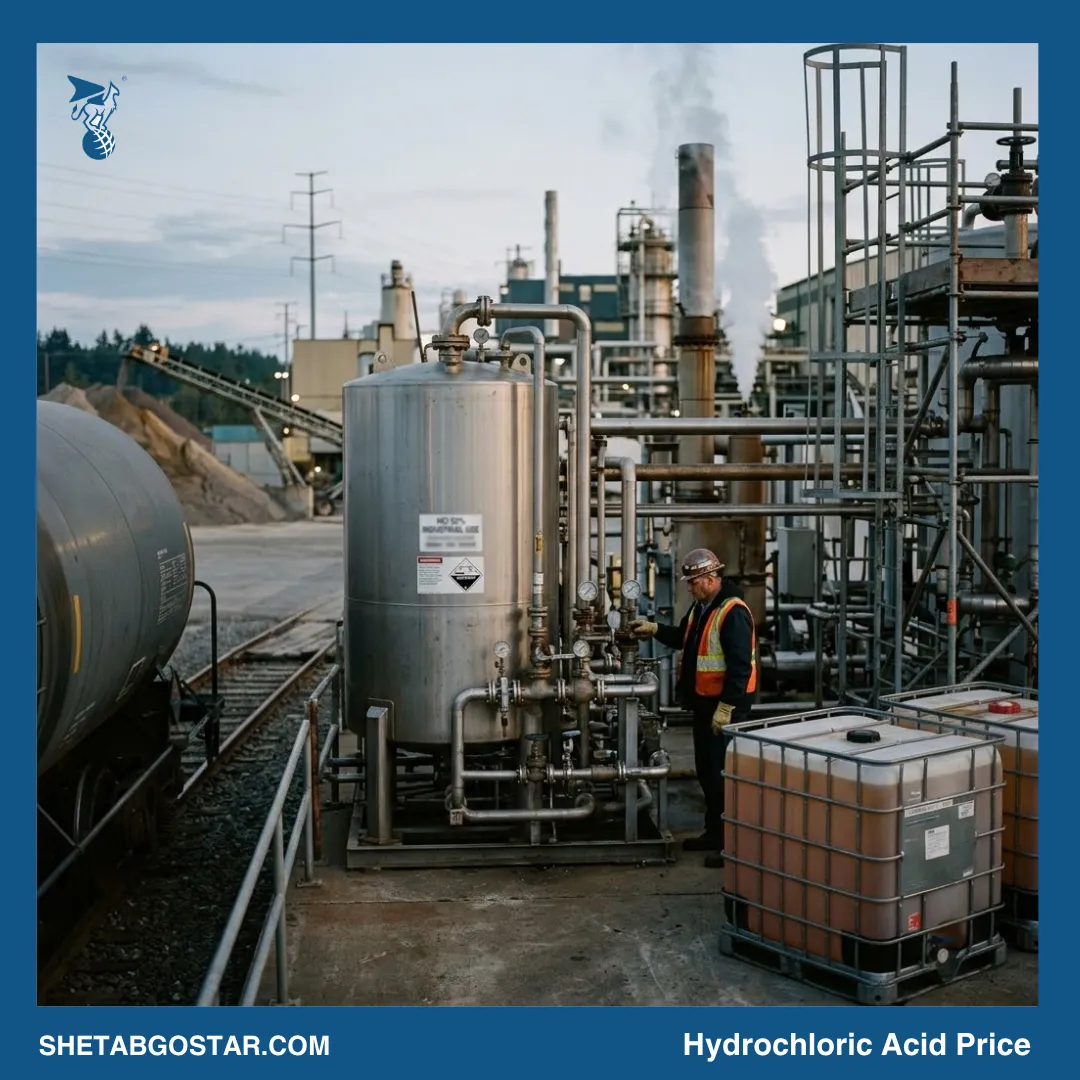
Safe Handling and Storage
Because sulfuric acid is highly corrosive, proper handling procedures are essential.
Best practices include:
- Wearing appropriate personal protective equipment (PPE)
- Using acid-resistant storage tanks
- Maintaining adequate ventilation
- Following emergency spill procedures
- Training employees on safe handling practices
- Transporting the chemical according to international regulations
Following these precautions helps protect workers while maintaining operational safety.
Future Demand for Sulfuric Acid
Global demand for sulfuric acid is expected to remain strong due to several long-term trends:
- Expansion of copper mining projects
- Growth of renewable energy infrastructure
- Increasing electric vehicle production
- Continued demand for lead-acid batteries
- Industrial development in emerging markets
As mining and energy storage industries continue to expand, sulfuric acid will remain one of the world’s most strategically important industrial chemicals.
Conclusion
Among the many sulfuric acid uses, copper leaching and lead-acid battery production stand out as two of the most economically significant. Sulfuric acid enables efficient extraction of copper from low-grade ores while serving as the essential electrolyte in one of the world’s most widely used rechargeable battery technologies.
Its combination of chemical performance, affordability, and industrial versatility ensures that sulfuric acid will continue to play a vital role in global manufacturing, mining, and energy systems for decades to come.
Frequently Asked Questions (FAQ)
What are the primary sulfuric acid uses?
The primary sulfuric acid uses include fertilizer production, copper leaching, lead-acid battery manufacturing, petroleum refining, chemical synthesis, and metal processing.
Why is sulfuric acid important in copper leaching?
Sulfuric acid dissolves copper from oxide ores, allowing mining companies to recover valuable copper efficiently through hydrometallurgical processes.
Why do lead-acid batteries use sulfuric acid?
Sulfuric acid acts as the electrolyte that enables electrochemical reactions, allowing the battery to store and deliver electrical energy.
Which industries consume the most sulfuric acid?
Mining, fertilizer manufacturing, battery production, petroleum refining, and chemical manufacturing are among the largest consumers of sulfuric acid worldwide.