Caustic Soda Flakes in Wastewater Treatment: pH Regulation in Industrial Applications
Industrial wastewater often contains acidic contaminants that must be neutralized before discharge or reuse. Proper pH regulation protects treatment equipment, improves chemical reactions, and ensures compliance with environmental regulations. Among the most widely used alkaline chemicals, caustic soda flakes in wastewater treatment provide an effective, reliable, and economical solution for pH adjustment across numerous industries.
Whether in metal processing, chemical manufacturing, textile production, mining, or food processing, sodium hydroxide flakes play a vital role in maintaining stable wastewater conditions and optimizing treatment efficiency.
Why pH Control Matters in Industrial Wastewater
The pH level of industrial wastewater directly affects every stage of the treatment process. Water that is too acidic or too alkaline can reduce treatment efficiency, damage infrastructure, and violate discharge permits.
Maintaining an appropriate pH offers several advantages:
- Improved chemical precipitation
- Enhanced coagulation and flocculation
- Better biological treatment performance
- Reduced corrosion of pipelines and equipment
- Compliance with environmental discharge standards
- Protection of aquatic ecosystems
Many environmental authorities require treated wastewater to remain within a specific pH range before discharge into municipal systems or natural water bodies.
What Are Caustic Soda Flakes?
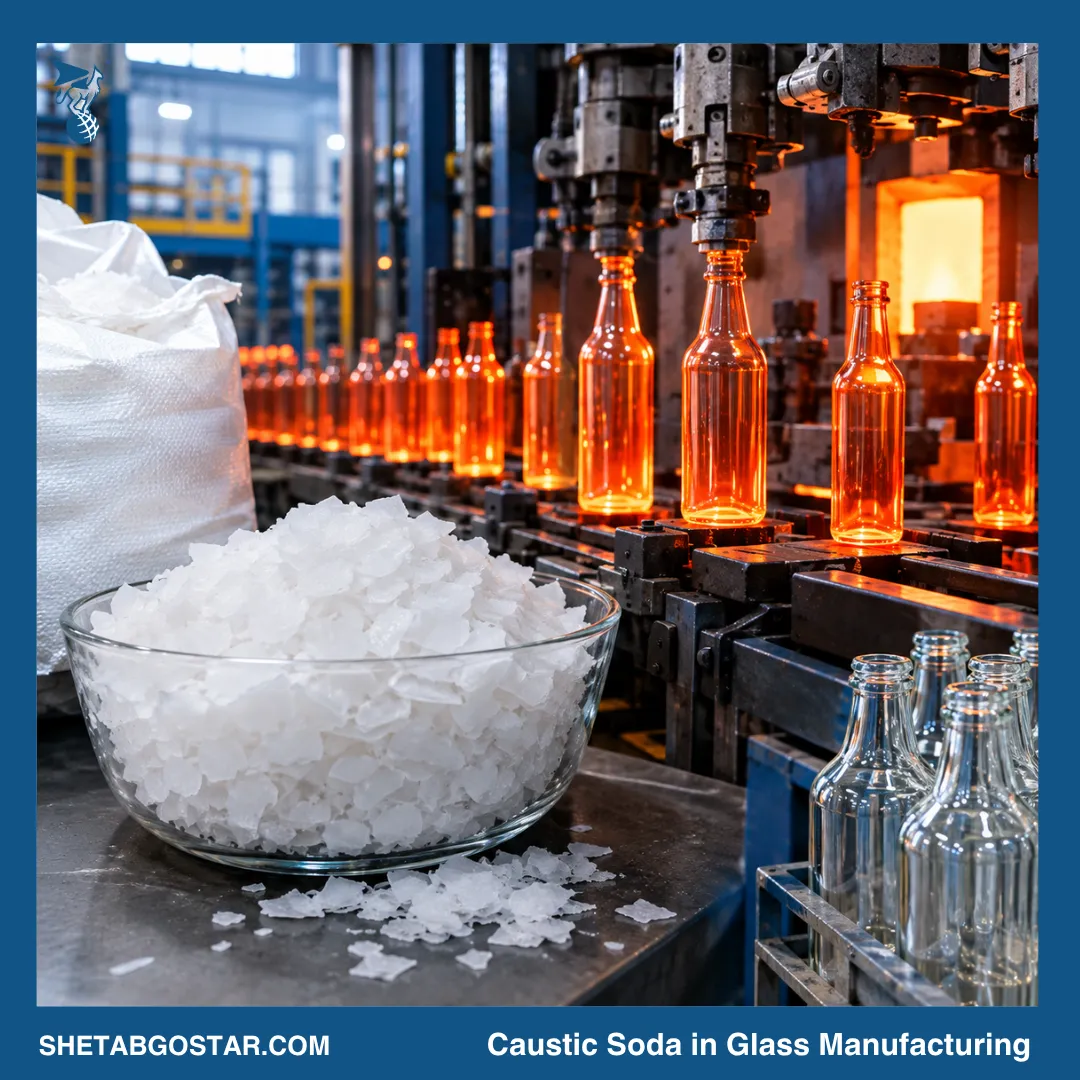
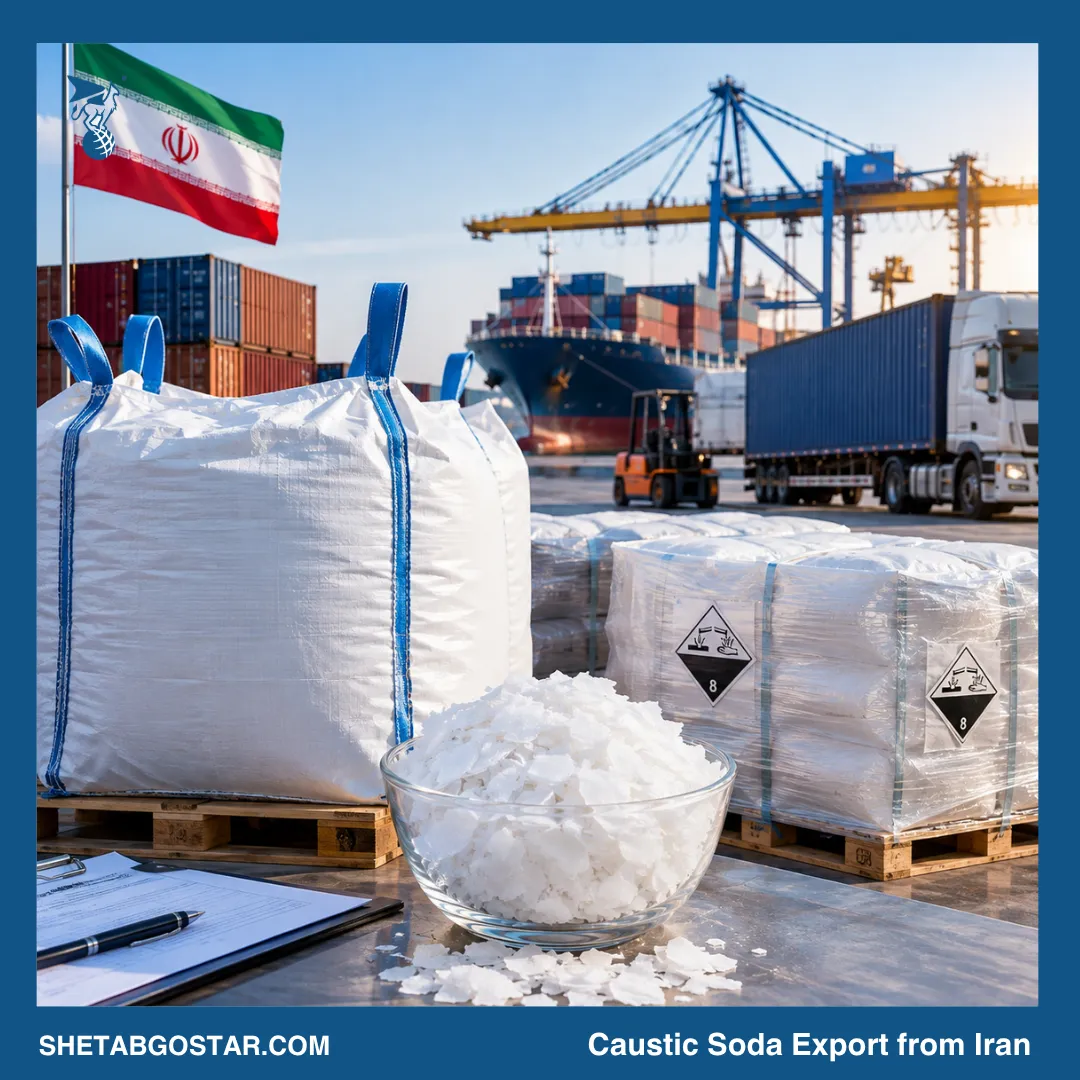
Caustic soda flakes are solid sodium hydroxide (NaOH) with extremely high alkalinity. They dissolve readily in water, producing a strong alkaline solution capable of rapidly neutralizing acidic wastewater.
Compared with liquid caustic soda, flakes provide several logistical advantages:
- Longer shelf life
- Easier storage
- Lower transportation costs
- Reduced risk of leakage during shipping
- Flexible preparation of solutions at different concentrations
These characteristics make them especially suitable for facilities that consume varying quantities of sodium hydroxide.
How Caustic Soda Flakes in Wastewater Treatment Regulate pH
The primary objective of caustic soda flakes in wastewater treatment is neutralization.
When sodium hydroxide dissolves, it releases hydroxide ions (OH⁻), which react with hydrogen ions (H⁺) present in acidic wastewater:
NaOH + H⁺ → H₂O + Na⁺
This reaction rapidly raises the pH, creating conditions suitable for downstream treatment processes.
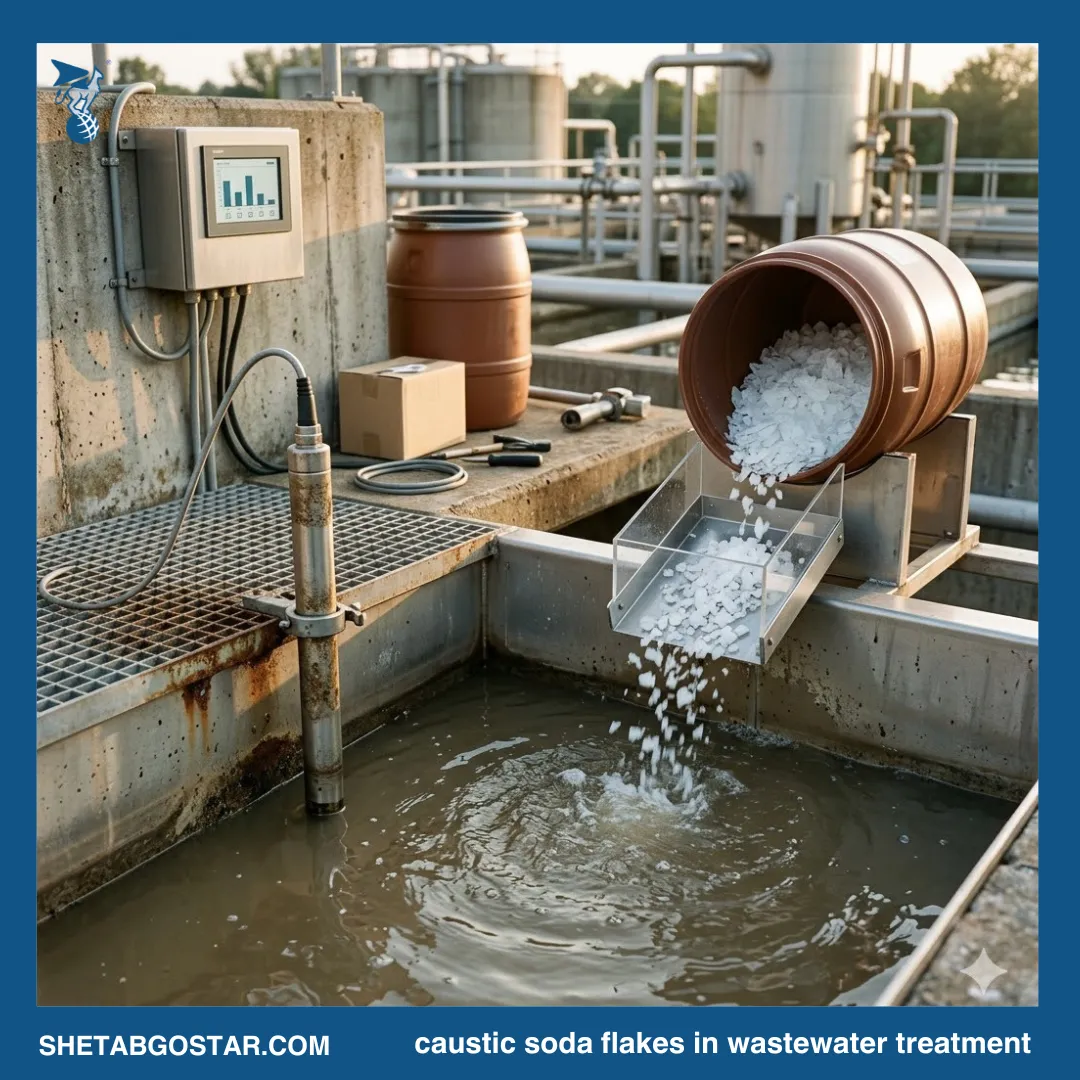
Automated dosing systems continuously monitor pH and inject prepared sodium hydroxide solution as needed, allowing operators to maintain stable operating conditions while minimizing chemical consumption.
Industries That Use Caustic Soda Flakes in Wastewater Treatment
Many industrial sectors generate acidic wastewater that requires neutralization before discharge.
Metal Finishing
Metal pickling, electroplating, and surface treatment generate highly acidic effluents. Sodium hydroxide raises pH to facilitate heavy metal precipitation.
Mining Operations
Mine drainage frequently contains acidic water with dissolved metals. Caustic soda assists in neutralization and supports efficient removal of contaminants.
Chemical Manufacturing
Chemical plants often produce wastewater with fluctuating acidity. Sodium hydroxide provides rapid response for process control.
Textile Industry
Dyeing and finishing operations generate wastewater requiring pH adjustment before biological treatment.
Food Processing
Cleaning chemicals and processing operations can produce acidic wastewater streams that require controlled neutralization.
Pulp and Paper Mills
Various bleaching and chemical recovery processes require careful pH regulation to maximize treatment performance.
Benefits of Using Caustic Soda Flakes
Industries choose sodium hydroxide flakes because they provide multiple operational advantages.
Rapid Neutralization
The high alkalinity allows fast correction of acidic wastewater.
Consistent Chemical Quality
High-purity flakes provide predictable performance in dosing systems.
Cost Efficiency
Bulk purchasing and concentrated storage often reduce overall treatment costs.
Flexible Solution Preparation
Operators can prepare solutions of different concentrations depending on plant requirements.
Reduced Transportation Volume
Solid flakes occupy less shipping volume than equivalent dilute liquid products.
Reliable Availability
Caustic soda flakes are widely produced worldwide, supporting dependable industrial supply chains.
Factors Affecting Dosage Requirements
No single dosage works for every wastewater stream. Several variables influence chemical consumption.
Initial pH
Lower starting pH generally requires more sodium hydroxide.
Buffering Capacity
Some wastewater resists pH change due to dissolved salts and chemicals.
Flow Rate
Higher wastewater volumes increase total chemical demand.
Dissolved Metals
Metal precipitation reactions consume alkalinity.
Organic Content
Organic acids may require additional neutralization capacity.
Laboratory testing and continuous monitoring help optimize dosing while preventing excessive chemical usage.
Best Practices for Safe Handling
Because sodium hydroxide is highly corrosive, proper handling procedures are essential.
Recommended practices include:
- Wear chemical-resistant gloves and face protection.
- Prepare solutions by slowly adding flakes into water.
- Use corrosion-resistant storage tanks.
- Install emergency eyewash and safety shower stations.
- Train operators on safe handling procedures.
- Maintain automated dosing systems with regular inspections.
Proper storage also protects product quality by preventing moisture absorption.
Environmental Advantages
Proper pH regulation benefits both industrial operations and the environment.
Effective neutralization helps:
- Improve heavy metal removal
- Enhance biological treatment efficiency
- Reduce environmental pollution
- Meet wastewater discharge regulations
- Protect receiving waterways
- Support water reuse initiatives
Optimized chemical dosing further minimizes waste while improving overall sustainability.
Selecting a Reliable Supplier
Consistent product quality directly affects wastewater treatment performance.
When selecting a supplier, industries should evaluate:
- Product purity
- Manufacturing standards
- Batch consistency
- Packaging options
- Export capabilities
- Delivery reliability
- Technical documentation
- Customer support
A dependable supplier helps facilities maintain uninterrupted treatment operations while meeting regulatory requirements.
Conclusion
The use of caustic soda flakes in wastewater treatment remains one of the most effective methods for industrial pH regulation. Their strong alkalinity, ease of storage, flexible dosing, and reliable performance make them an essential chemical across numerous industries.
As environmental regulations become increasingly stringent, accurate pH control and high-quality sodium hydroxide products will continue to play a critical role in efficient wastewater management. Companies that source premium caustic soda flakes from trusted suppliers can improve operational efficiency, reduce treatment costs, and maintain long-term regulatory compliance.
Looking for a dependable supplier of high-quality caustic soda flakes? We provide industrial-grade sodium hydroxide flakes with consistent quality, export-ready packaging, competitive pricing, and reliable international delivery to support wastewater treatment and a wide range of industrial applications.