Sulfuric Acid Supply Contract: How to Negotiate Long-Term Agreements
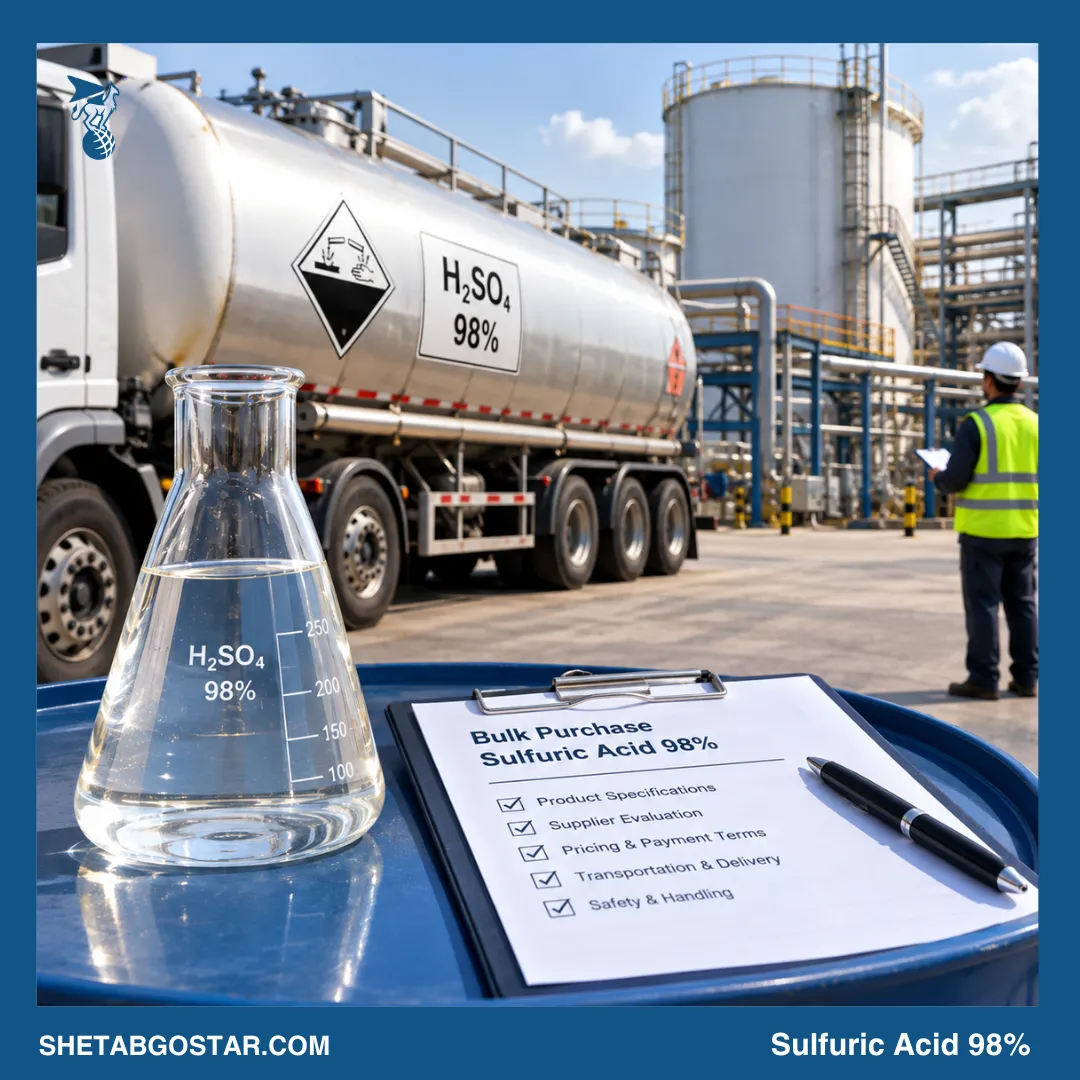
A sulfuric acid supply contract is essential for industrial companies that require a stable and reliable source of sulfuric acid. Since sulfuric acid is a critical raw material in industries such as fertilizers, mining, chemicals, water treatment, and metal processing, long-term supply agreements help buyers manage price fluctuations, ensure consistent quality, and reduce supply chain risks.
Negotiating the right contract requires a clear understanding of pricing structures, delivery conditions, quality requirements, and supplier reliability. A well-designed agreement can create long-term value for both buyers and suppliers.
Why a Sulfuric Acid Supply Contract Is Important
Industrial sulfuric acid buyers often face challenges such as market volatility, transportation delays, and unexpected changes in production capacity. A properly structured sulfuric acid supply contract helps companies secure their required volumes and maintain stable operations.
The main benefits include:
- Ensuring continuous sulfuric acid availability
- Reducing exposure to sudden market price increases
- Improving supply chain planning
- Creating stronger relationships with reliable suppliers
- Establishing clear responsibilities between buyers and sellers
For industries that depend on large quantities of sulfuric acid, purchasing through short-term agreements may create operational risks. Long-term contracts provide better predictability and security.
Key Elements of a Sulfuric Acid Supply Contract
A successful contract should clearly define all important commercial and technical requirements.
1. Contract Volume and Supply Schedule
The agreement should specify:
- Annual or monthly sulfuric acid volume
- Delivery frequency
- Minimum purchase obligations
- Emergency supply conditions
Defining these details prevents misunderstandings and ensures both parties understand their commitments.
2. Pricing Structure and Adjustment Mechanisms
Sulfuric acid prices can change due to factors such as:
- Energy costs
- Raw material availability
- Transportation expenses
- Global market conditions
A strong sulfuric acid supply contract should include a transparent pricing formula. Some contracts use fixed prices, while others include periodic adjustments based on market indicators.
3. Quality Specifications and Compliance
Industrial buyers should define quality requirements before signing an agreement. Important factors include:
- Sulfuric acid concentration
- Impurity limits
- Product specifications
- Required documentation such as Certificate of Analysis (COA)
Clear quality standards help prevent disputes and ensure the product meets industrial requirements.
Negotiating Delivery and Logistics Terms
Transportation plays a major role in sulfuric acid procurement because the product requires specialized handling.
Important contract points include:
- Delivery location
- Transportation responsibility
- Packaging requirements
- Loading and unloading procedures
- Risk transfer conditions
Buyers should also consider international trade terms such as FOB, CFR, and CIF when working with overseas suppliers.
Supplier Evaluation Before Signing a Contract
Choosing the right supplier is one of the most important steps in contract negotiation.
Effective supplier selection and contract execution require strong planning, coordination, and risk management. Companies involved in chemical exports can benefit from proper project management strategies to improve communication, reduce delays, and ensure successful international transactions.
Companies should evaluate:
Production Capacity
A supplier must have enough production capability to meet long-term demand.
Export Experience
Suppliers with international shipping experience usually understand documentation, logistics, and regulatory requirements better.
Reliability and Reputation
A reliable supplier should demonstrate:
- Consistent product quality
- On-time deliveries
- Strong communication
- Transparent commercial practices
Common Mistakes When Negotiating Sulfuric Acid Contracts
Many buyers focus only on price and overlook other important factors.
Common mistakes include:
- Choosing the cheapest supplier without checking reliability
- Ignoring transportation risks
- Not defining quality standards clearly
- Accepting unclear pricing formulas
- Failing to include supply disruption solutions
A successful contract should balance competitive pricing with supply security.
How to Build a Long-Term Partnership With Suppliers
A long-term relationship requires cooperation between both parties. Buyers can improve partnerships by:
- Sharing accurate demand forecasts
- Maintaining clear communication
- Reviewing contract performance regularly
- Discussing market changes openly
A strategic sulfuric acid supply contract is not only a purchasing document but also a foundation for a stable industrial supply relationship.
Conclusion
Negotiating a sulfuric acid supply contract requires careful planning, market understanding, and attention to technical details. By defining pricing methods, quality requirements, delivery terms, and supplier responsibilities, industrial buyers can reduce risks and secure a dependable sulfuric acid supply.
For companies operating in industries that rely on sulfuric acid, a well-negotiated long-term contract can improve cost control, operational stability, and supply chain performance.