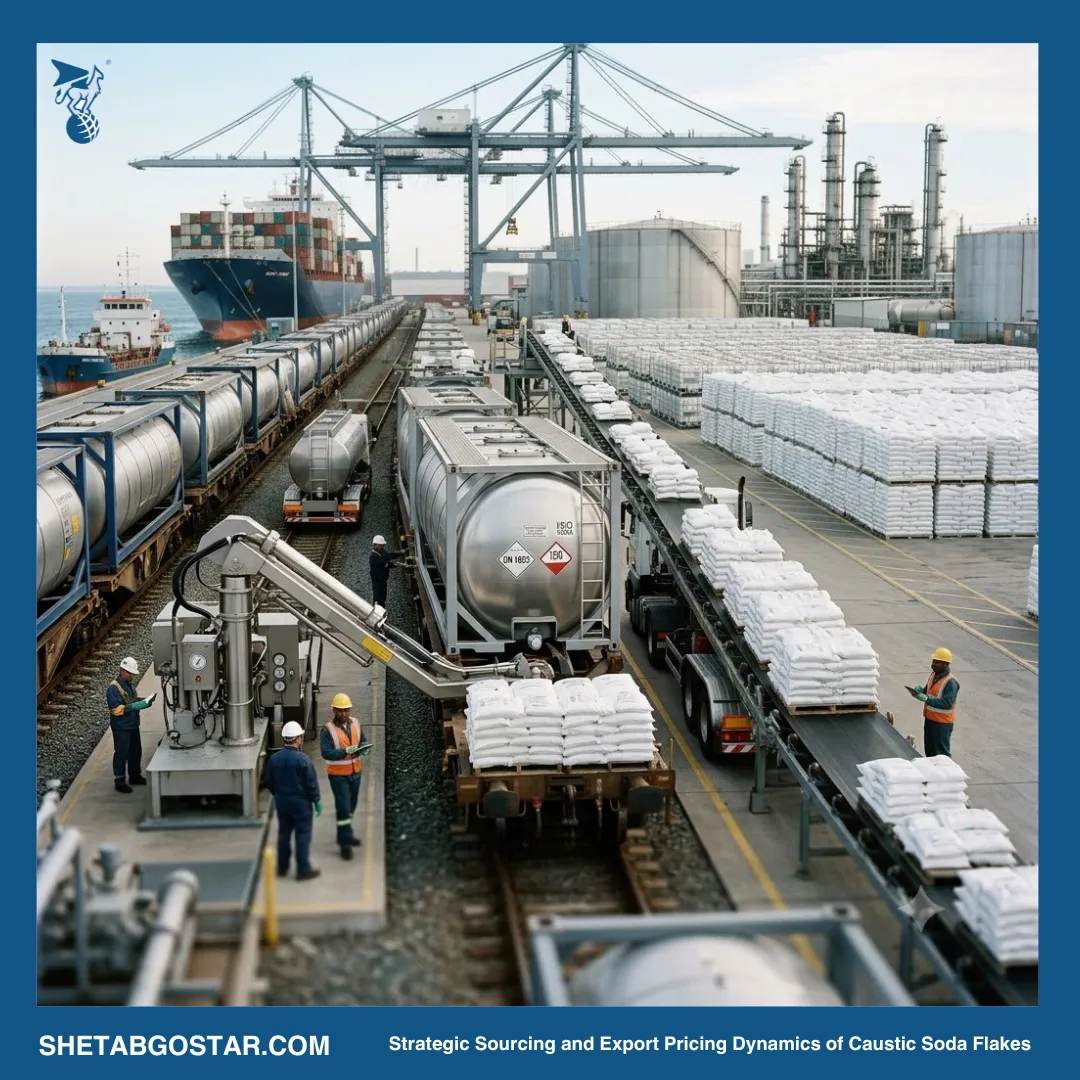
Strategic Sourcing and Export Pricing Dynamics of Caustic Soda Flakes for Overseas Distributors
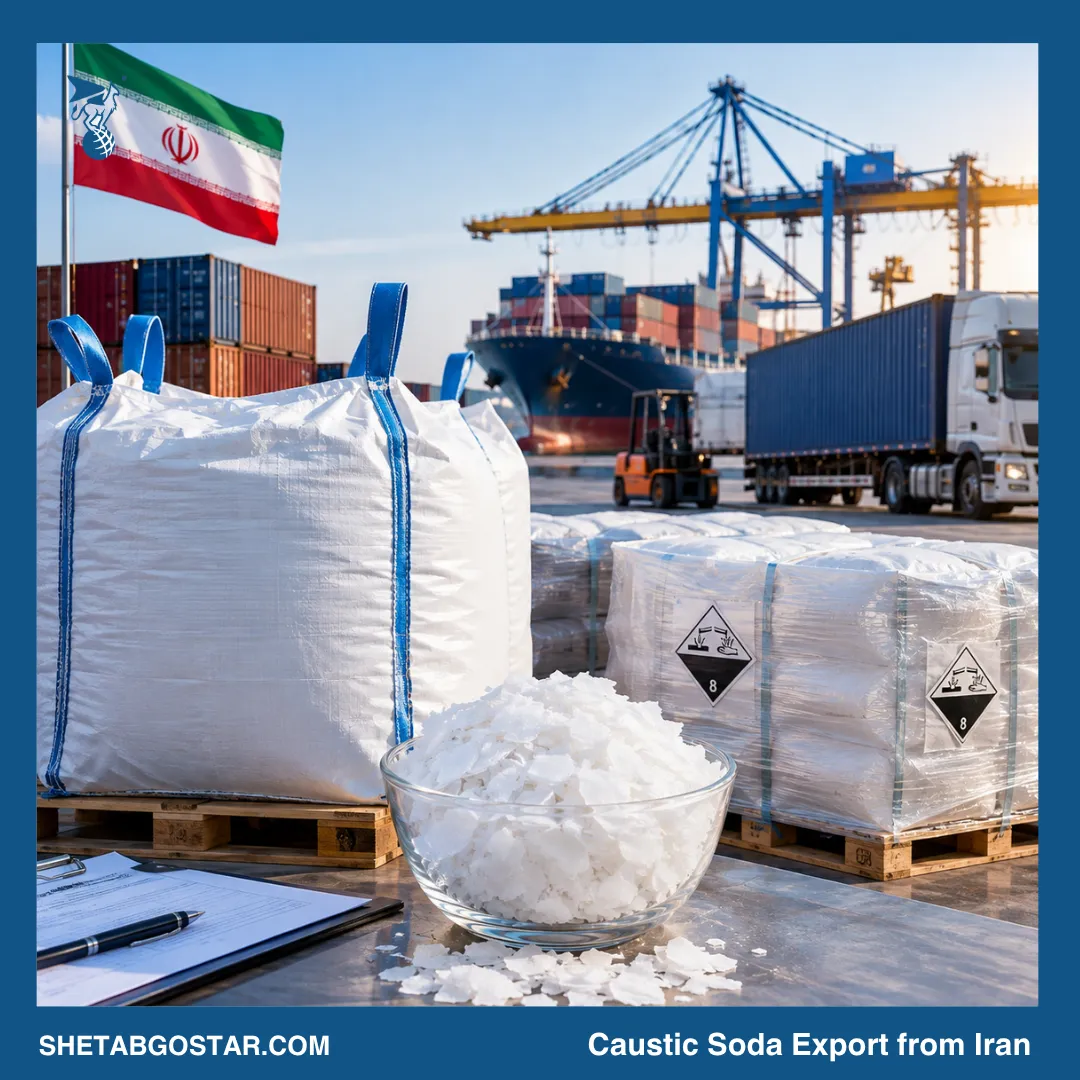
As global industries continue to expand, Strategic Sourcing and Export Pricing Dynamics of Caustic Soda Flakes have become increasingly important for overseas distributors seeking competitive procurement strategies. Caustic soda flakes (Sodium Hydroxide 98–99%) are essential for industries such as pulp and paper, textiles, alumina refining, water treatment, chemicals, detergents, and food processing. Choosing the right sourcing strategy while understanding export pricing mechanisms helps distributors reduce costs, improve supply reliability, and maintain profitability in international markets.
This guide explains the major factors affecting export pricing, supplier selection, logistics, and long-term procurement planning.
Why Strategic Sourcing Matters for Overseas Distributors
Strategic sourcing goes beyond finding the lowest supplier price. Successful distributors evaluate suppliers based on several business-critical factors, including:
- Manufacturing capacity
- Product consistency
- Export experience
- Packaging flexibility
- Documentation accuracy
- Delivery performance
- Technical support
- Financial stability
A reliable supplier minimizes supply disruptions while ensuring consistent product quality for international customers.
Major Factors Influencing Export Pricing
Export pricing is determined by numerous market and operational variables.
Raw Material Costs
Electricity represents one of the largest production expenses in chlor-alkali manufacturing. Changes in energy prices directly affect caustic soda production costs.
Other raw material factors include:
- Salt prices
- Water treatment costs
- Environmental compliance expenses
- Plant operating efficiency
Global Supply and Demand
International demand fluctuates due to:
- Alumina production
- Paper manufacturing
- Textile processing
- Chemical manufacturing
- Water treatment projects
Unexpected maintenance shutdowns or reduced production capacity can tighten global supply and increase export prices.
Freight Costs
Ocean freight often represents a significant portion of the final landed cost.
Freight costs depend on:
- Shipping route
- Container availability
- Fuel prices
- Port congestion
- Seasonal demand
For distant destinations, logistics optimization becomes essential.
Exchange Rate Volatility
Most international contracts are priced in USD.
Currency fluctuations influence:
- Supplier profitability
- Buyer purchasing power
- Contract negotiations
- Long-term pricing strategies
Many exporters use pricing formulas that account for exchange rate risks.
FOB vs CIF Pricing
Understanding international trade terms helps distributors compare supplier quotations accurately.
FOB (Free on Board)
Under FOB pricing:
- Seller delivers goods to the export port.
- Buyer arranges ocean freight.
- Buyer selects insurance.
- Buyer controls shipping schedules.
FOB is generally preferred by experienced importers with established freight partners.
CIF (Cost, Insurance, and Freight)
With CIF pricing:
- Seller arranges shipping.
- Seller purchases cargo insurance.
- Freight costs are included.
- Importers receive a simplified purchasing process.
CIF often benefits new distributors entering international markets.
Evaluating Suppliers Beyond Price
The lowest quotation does not always represent the best value.
Professional buyers evaluate:
Production Capacity
Large manufacturers typically offer:
- Stable production schedules
- Better inventory availability
- Faster order fulfillment
- Lower disruption risk
Quality Control
Reliable suppliers provide:
- Certificate of Analysis (COA)
- Batch traceability
- Laboratory testing
- Consistent NaOH purity
- Low impurity levels
Quality consistency reduces customer complaints and improves distributor reputation.
Export Documentation
Complete export documentation usually includes:
- Commercial Invoice
- Packing List
- Certificate of Origin
- Bill of Lading
- Certificate of Analysis
- Safety Data Sheet (SDS)
Accurate documentation prevents customs delays.
Packaging Options and Their Cost Impact
Packaging influences both transportation efficiency and overall procurement cost.
Common export packaging includes:
| Packaging Type | Typical Weight | Best Application |
|---|---|---|
| PP Bags | 25 kg | Standard exports |
| Jumbo Bags | 500–1000 kg | Bulk industrial buyers |
| Palletized Bags | 25 kg | Improved warehouse handling |
| Customized Packaging | Various | Distributor branding |
Proper palletization minimizes product damage during long-distance shipping.
Logistics Optimization Strategies
Successful distributors reduce costs by optimizing logistics.
Key strategies include:
- Consolidating shipments
- Choosing optimal ports
- Negotiating long-term freight agreements
- Planning seasonal inventory
- Reducing container dead space
- Working with experienced freight forwarders
Even small logistics improvements can significantly reduce total landed costs.
Long-Term Supply Agreements
Many overseas distributors establish annual contracts with manufacturers.
Advantages include:
- Stable pricing
- Guaranteed production allocation
- Better payment terms
- Priority during supply shortages
- Reduced procurement uncertainty
Long-term partnerships often outperform spot purchasing during volatile markets.
Managing Price Volatility
Global caustic soda prices can change due to:
- Energy market fluctuations
- Shipping disruptions
- Trade regulations
- Currency movements
- Environmental policies
- Industrial demand cycles
Distributors reduce exposure by:
- Diversifying suppliers
- Monitoring market trends
- Maintaining safety stock
- Negotiating flexible pricing mechanisms
Common Mistakes Overseas Distributors Should Avoid
Frequent procurement mistakes include:
- Selecting suppliers based only on price
- Ignoring production capacity
- Underestimating freight costs
- Failing to verify product quality
- Overlooking export documentation
- Purchasing without long-term planning
- Ignoring currency risks
Avoiding these mistakes improves profitability and customer satisfaction.
Building a Competitive Procurement Strategy
Leading distributors focus on building resilient supply chains rather than chasing the lowest short-term prices.
An effective procurement strategy includes:
- Multiple qualified suppliers
- Transparent pricing models
- Strong logistics partners
- Inventory planning
- Continuous market analysis
- Regular supplier performance reviews
This approach enhances reliability while maintaining competitive pricing.
Conclusion
Understanding Strategic Sourcing and Export Pricing Dynamics of Caustic Soda Flakes enables overseas distributors to make informed purchasing decisions in a competitive global market. Export pricing is influenced by production costs, freight expenses, trade terms, exchange rates, and market demand. By evaluating suppliers comprehensively, optimizing logistics, and establishing long-term partnerships, distributors can reduce procurement risks, improve operational efficiency, and secure a sustainable competitive advantage in international chemical trading.