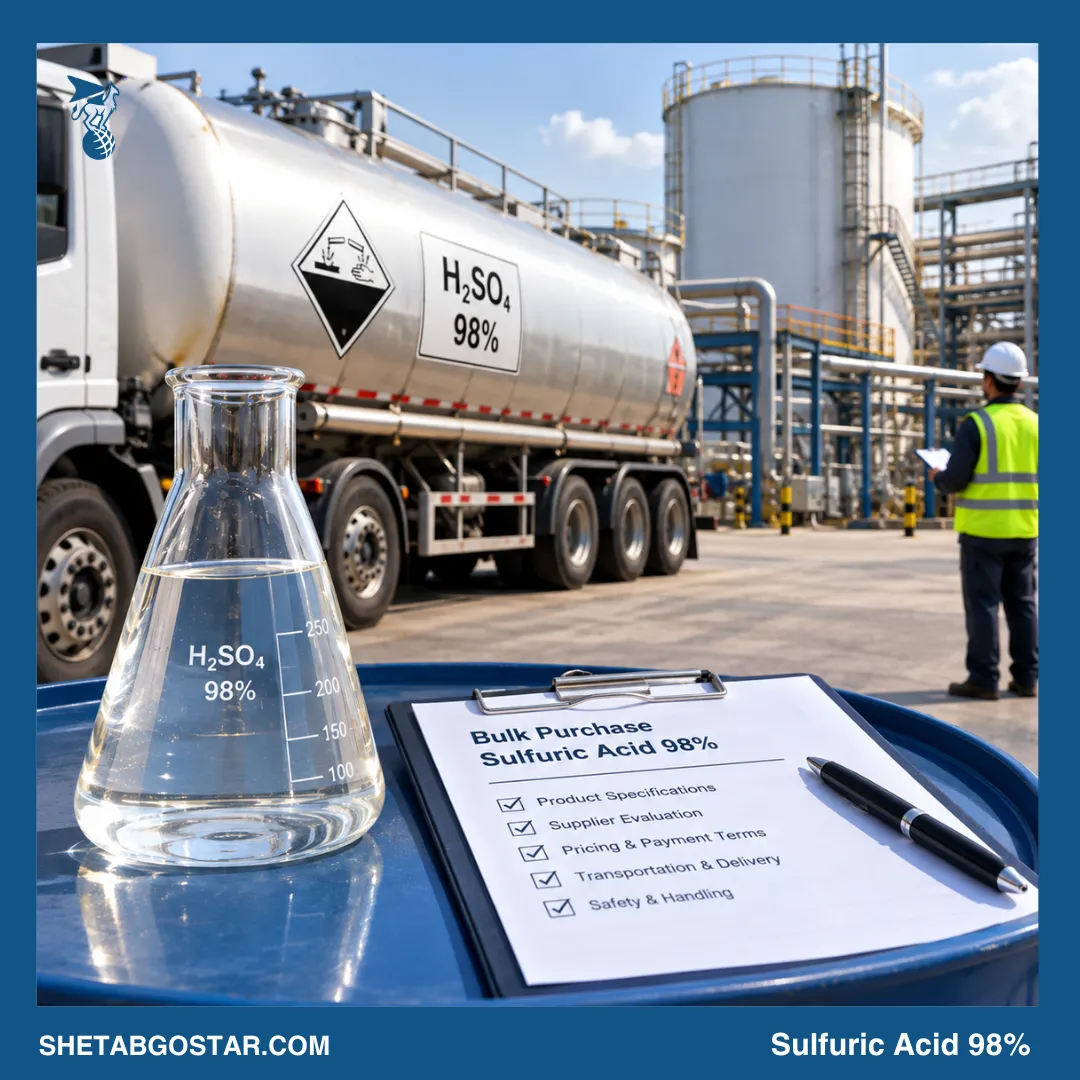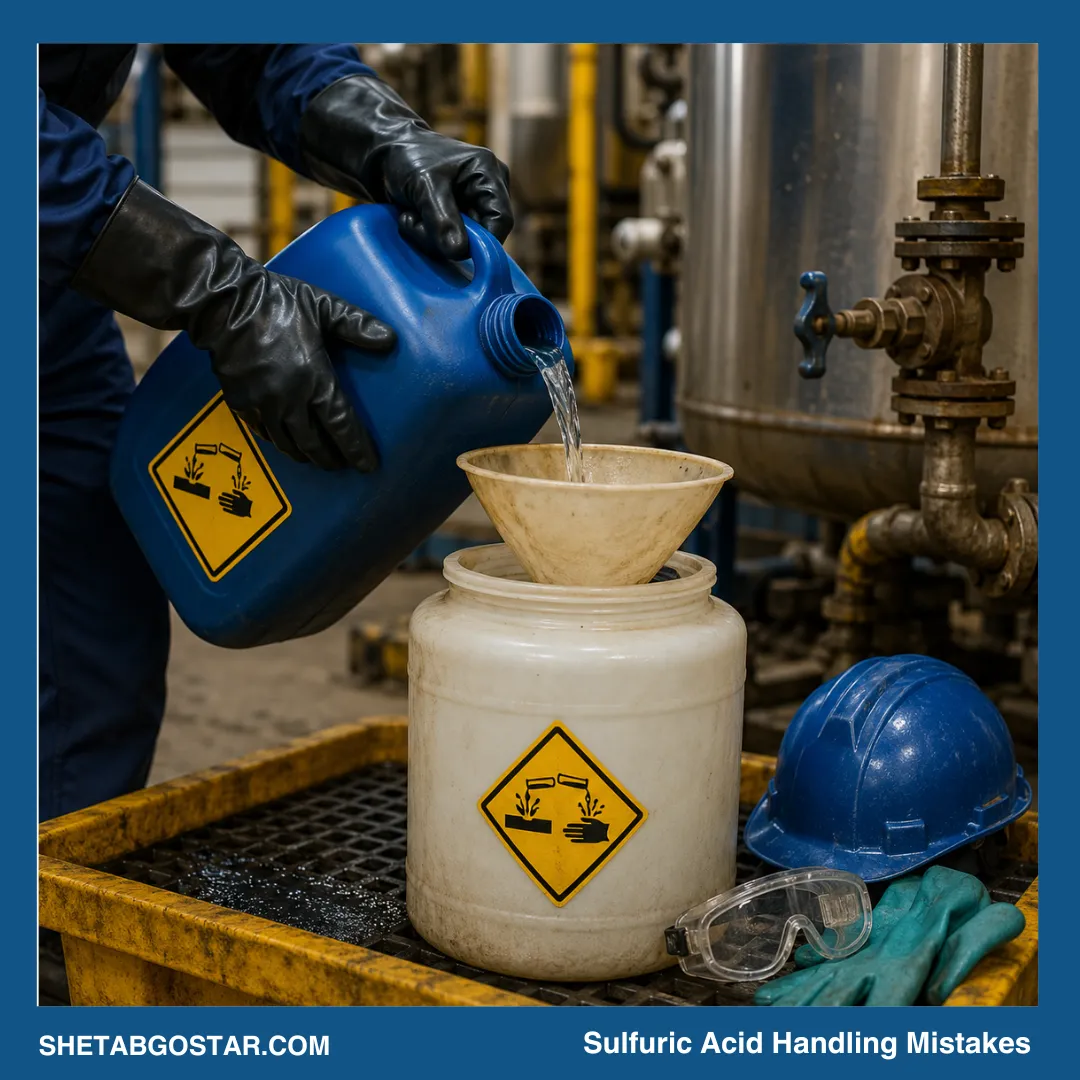
Common Sulfuric Acid Handling Mistakes That Increase Production Costs
Sulfuric acid is one of the most widely used industrial chemicals, supporting industries such as mining, fertilizer production, metal processing, water treatment, and chemical manufacturing. However, even companies using high-quality sulfuric acid can experience unnecessary expenses if the product is not handled correctly. Sulfuric Acid Handling Mistakes often lead to equipment damage, production delays, safety incidents, and higher maintenance costs.
Understanding these common errors helps manufacturers improve operational efficiency while protecting both employees and industrial assets.
Why Proper Sulfuric Acid Handling Matters
Sulfuric acid is highly corrosive and reacts strongly with water and certain metals.Industrial facilities should also follow internationally recognized sulfuric acid safety guidelines to reduce operational risks and improve workplace safety. Improper handling not only creates safety hazards but also reduces equipment lifespan and increases operational costs. A well-designed handling procedure minimizes downtime and ensures consistent production performance.
Mistake 1: Using Incompatible Materials
Selecting the wrong materials for tanks, valves, pumps, or pipelines is one of the costliest errors.
For example:
- Carbon steel may perform well with concentrated sulfuric acid under specific conditions.
- Stainless steel is not always the best option for every concentration.
- Incorrect gasket or seal materials may fail prematurely.
Using compatible materials significantly reduces corrosion-related failures and replacement costs.
Mistake 2: Improper Dilution Procedures
One of the most dangerous handling mistakes is adding water directly into concentrated sulfuric acid.
The correct procedure is:
Always add acid slowly into water while providing continuous mixing.
This method helps control the intense heat generated during dilution and reduces the risk of splashing or equipment damage.
Mistake 3: Poor Storage Conditions
Improper storage often results in contamination and accelerated equipment wear.
Common storage problems include:
- Exposure to excessive temperatures
- Moisture entering storage tanks
- Damaged vent systems
- Poor secondary containment
Routine inspections help prevent product degradation and expensive maintenance issues.
Mistake 4: Ignoring Routine Equipment Inspections
Pumps, transfer lines, seals, and storage tanks should be inspected regularly.
Small leaks may appear insignificant at first but can eventually cause:
- Product loss
- Corrosion
- Production interruptions
- Environmental cleanup costs
Preventive maintenance is considerably less expensive than emergency repairs.
Mistake 5: Inadequate Employee Training
Even modern equipment cannot compensate for poor operator knowledge.
Employees should understand:
- Safe transfer procedures
- Emergency response actions
- Correct use of personal protective equipment (PPE)
- Spill management techniques
- Basic chemical compatibility
Proper training becomes even more important in industries where sulfuric acid is widely used, including copper leaching and lead-acid battery manufacturing.
Mistake 6: Overlooking Acid Concentration Requirements
Different industrial processes require different sulfuric acid concentrations.
Using an incorrect concentration can lead to:
- Lower process efficiency
- Increased chemical consumption
- Product quality problems
- Additional production costs
Verifying concentration before each application helps optimize production performance.
Mistake 7: Neglecting Inventory Management
Ordering excessive quantities may increase storage risks, while insufficient inventory can interrupt production.
An effective inventory strategy should consider:
- Production schedules
- Supplier reliability
- Storage capacity
- Delivery lead times
Balanced inventory planning helps control both purchasing and operational costs.
Mistake 8: Choosing Suppliers Based Only on Price
The lowest purchase price does not always represent the lowest total operating cost.
Reliable suppliers provide:
- Consistent product quality
- Proper documentation
- Secure packaging
- On-time delivery
- Technical support
Consistent supply reduces production disruptions and minimizes hidden operational expenses.
Best Practices to Reduce Sulfuric Acid Handling Costs
Companies can lower long-term operating expenses by implementing several practical measures:
- Develop standardized handling procedures.
- Train employees on a regular basis.
- Inspect storage and transfer equipment routinely.
- Use materials compatible with the intended acid concentration.
- Monitor inventory levels carefully.
- Purchase from experienced industrial chemical suppliers.
These practices improve equipment reliability while reducing maintenance costs and unplanned shutdowns.
Conclusion
Many industrial facilities focus on sulfuric acid purchase prices while overlooking the hidden costs created by poor handling practices. Preventing Sulfuric Acid Handling Mistakes through proper storage, compatible equipment, regular inspections, employee training, and reliable supply management can significantly improve productivity and reduce total operating costs.
A comprehensive handling strategy protects personnel, extends equipment life, and delivers measurable financial benefits across industrial operations.