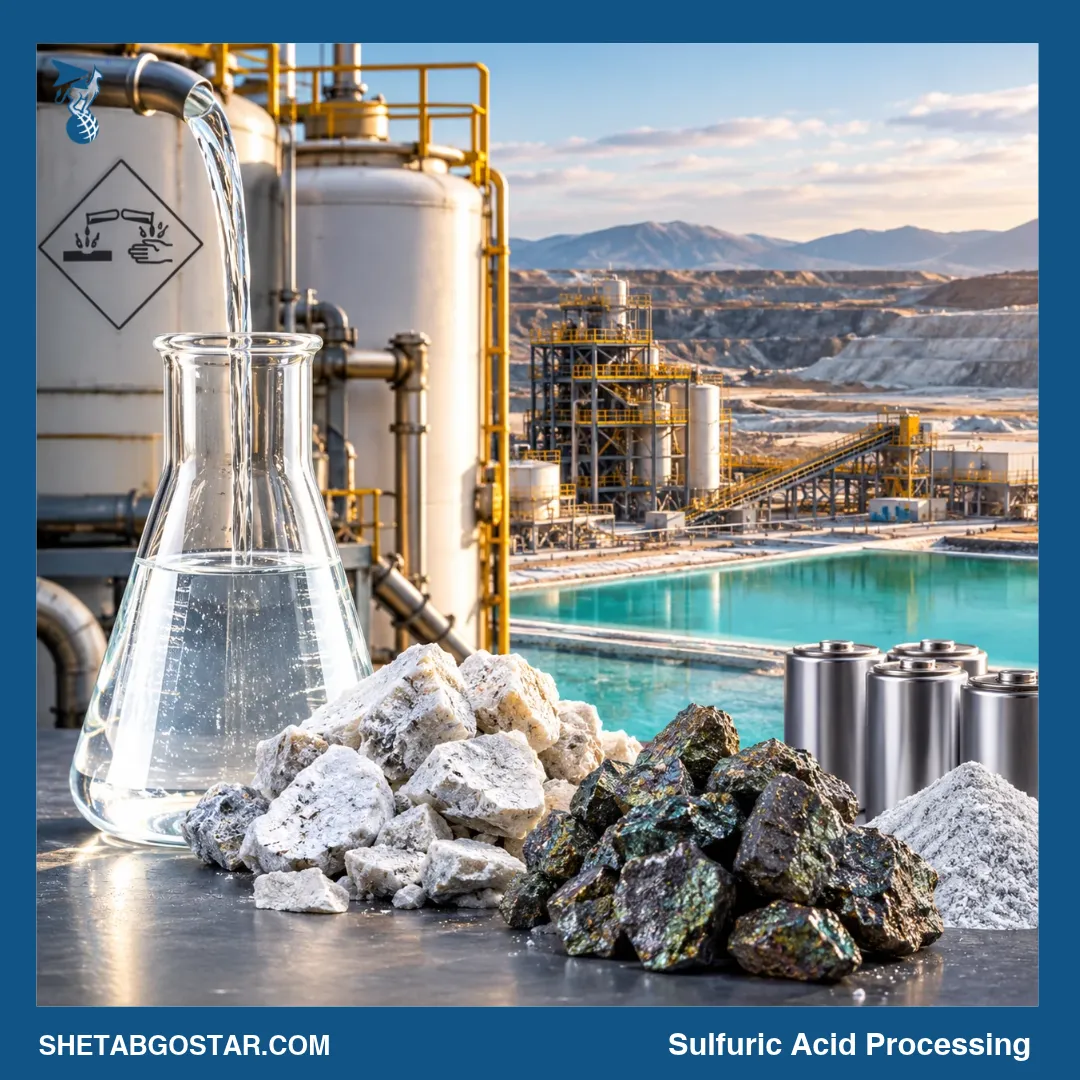
Sulfuric Acid in Lithium and Nickel Processing: Technical Requirements and Supply Risks
Sulfuric acid plays a critical role in modern lithium and nickel processing. Manufacturers use this industrial chemical to extract valuable metals from mineral ores and prepare materials for battery production. However, successful processing depends on more than acid availability. Concentration, purity, consumption rates, storage conditions, and delivery reliability can all affect production performance.
As demand for battery materials grows, mining companies and chemical buyers must pay closer attention to sulfuric acid processing requirements and supply chain risks. This article explains the main technical considerations, purchasing challenges, and risk management strategies for industrial buyers.
Why Sulfuric Acid Is Important in Lithium and Nickel Processing
Sulfuric acid supports several hydrometallurgical processes that recover valuable metals from mineral resources. During acid leaching, the chemical reacts with suitable mineral phases and transfers target metals into a liquid solution. Processing plants can then separate impurities and recover the desired products.
In hard-rock lithium production, sulfuric acid is commonly used to treat suitable spodumene concentrates after thermal conversion. The resulting lithium-bearing material undergoes further processing to produce lithium chemicals.
Nickel production also relies on sulfuric acid, particularly in high-pressure acid leaching (HPAL). Similar hydrometallurgical applications demonstrate the importance of sulfuric acid in metal extraction, as explained in our article on sulfuric acid in copper leaching and lead-acid batteries.
This technology treats certain laterite ores under elevated temperatures and pressures to dissolve nickel and cobalt. The resulting solution moves through purification and recovery stages.
Therefore, reliable acid supply is essential for maintaining production continuity. In addition, effective acid management helps operators control operating costs and improve process efficiency.
Technical Requirements for Sulfuric Acid Processing
Industrial buyers should evaluate sulfuric acid against the requirements of their specific processing operations. A suitable product must meet the plant’s technical specifications and remain consistent across deliveries.
1. Acid Concentration
Sulfuric acid concentration affects reaction conditions, reagent consumption, and process control. Each hydrometallurgical circuit requires a concentration appropriate to its operating conditions.
For example, lithium processing may involve concentrated acid during the treatment of converted spodumene. In contrast, nickel HPAL operations use acid under controlled aqueous conditions at elevated temperatures and pressures.
Buyers should specify the required concentration in procurement documents and verify it through a certificate of analysis (CoA). They should also establish acceptable tolerances to reduce the risk of receiving material that does not match process requirements.
2. Chemical Purity and Impurity Control
Impurities can influence downstream recovery, product quality, and reagent consumption. Their effects depend on the ore composition, processing route, and purification system.
For this reason, procurement teams should request a clear impurity profile rather than relying on the nominal acid concentration alone. Relevant parameters may include trace metals, suspended matter, and other contaminants identified by the plant’s technical team.
Moreover, suppliers should provide representative analytical results and maintain consistent quality between batches. A documented quality assurance process makes it easier to identify deviations before they affect production.
3. Acid Consumption and Process Efficiency
Acid consumption varies with ore mineralogy, feed preparation, operating conditions, and the amount of acid consumed by unwanted reactions. Minerals containing magnesium, iron, aluminum, or carbonate phases may increase total reagent demand.
Consequently, operators should monitor acid consumption per tonne of feed or recovered product. This metric helps identify changes in ore characteristics, dosing accuracy, and process performance.
A lower purchase price does not necessarily indicate a lower operating cost. If an acid shipment requires additional treatment or produces inconsistent results, the apparent savings may disappear.
4. Storage, Handling, and Equipment Compatibility
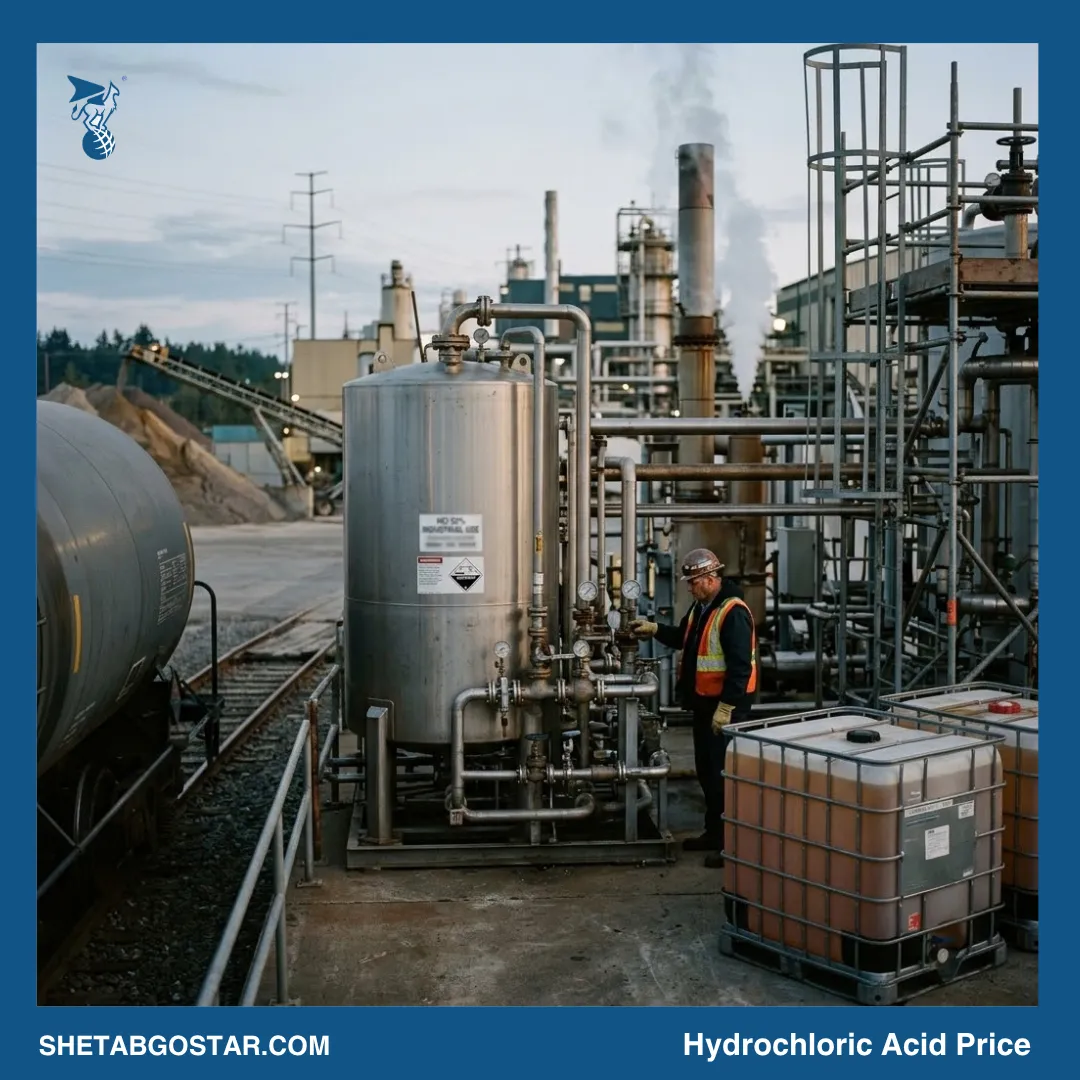
Sulfuric acid is highly corrosive, so storage and transfer systems must suit the product concentration, temperature, and operating environment.
Before selecting tanks, pipelines, pumps, valves, and seals, engineering teams should assess material compatibility under actual service conditions. They should also provide suitable secondary containment, controlled transfer procedures, emergency response equipment, and appropriate personal protective equipment.
In addition, storage areas require clear labeling, restricted access, and inspection procedures. These measures reduce the likelihood of leaks, equipment damage, and unplanned shutdowns.
Supply Risks in Lithium and Nickel Production
Even when a processing plant has appropriate equipment and procedures, supply disruptions can affect production schedules and costs. Several risks deserve particular attention.
1. Raw Material Availability
Sulfuric acid production depends on sulfur-bearing feedstocks and industrial production infrastructure. Disruptions affecting sulfur production, refining operations, or acid manufacturing can reduce the quantity available to downstream users.
This issue is especially important for mineral-processing facilities that depend on regular bulk deliveries. A shortage may force a plant to reduce throughput or adjust its production schedule.
2. Price Volatility
Sulfuric acid prices can change because of feedstock costs, freight rates, regional demand, production constraints, and trade policies. Therefore, buyers should assess total delivered cost instead of comparing the quoted acid price alone.
The delivered cost may include transportation, handling, insurance, storage, and other contractual charges. For long-distance shipments, freight and logistics disruptions can significantly affect the final procurement budget.
3. Transportation and Delivery Delays
Bulk chemical shipments may face port congestion, vessel delays, limited transport capacity, or changes in trade routes. These problems can be particularly challenging for plants operating with limited on-site storage.
To reduce exposure, procurement teams should confirm shipment schedules, loading arrangements, delivery responsibilities, and contingency procedures before placing orders.
They should also establish minimum stock levels based on actual consumption, replenishment lead times, and available storage capacity.
4. Supplier Concentration
Depending on a single supplier or production region can increase operational vulnerability. A localized outage, export restriction, or logistics disruption may affect the entire supply arrangement.
Where technically and commercially feasible, buyers should qualify alternative suppliers and verify that each source can meet the plant’s quality specifications. Diversification should include an assessment of production capacity, delivery reliability, documentation, and financial terms.
How to Reduce Sulfuric Acid Procurement Risks
A structured purchasing strategy can help industrial buyers protect production continuity while controlling costs.
First, establish clear specifications. Define the required concentration, impurity limits, analytical methods, packaging or bulk delivery requirements, and acceptance criteria before requesting quotations.
Second, verify supplier capability. Review certificates of analysis, quality management procedures, production capacity, relevant experience, and the supplier’s ability to meet the required delivery schedule.
Third, compare total delivered costs. Evaluate product price alongside freight, insurance, unloading, storage, quality verification, and the financial consequences of potential delays.
Fourth, strengthen contract terms. Contracts should clearly address specifications, inspection procedures, delivery windows, payment terms, responsibility for transportation, and remedies for nonconforming products. Buyers should also review provisions covering force majeure and major supply disruptions with appropriate legal support.
Finally, maintain a practical contingency plan. Establish safety stock based on operational data, identify alternative supply routes, and define the actions required if a shipment is delayed or rejected.
These measures help procurement teams make better-informed decisions and reduce the likelihood of unexpected production interruptions.
Quality Documentation and Supplier Evaluation
Reliable documentation is an important part of industrial chemical procurement. Before accepting a shipment, buyers should confirm that the accompanying documents match the purchase order and agreed specifications.
A practical verification checklist includes:
- Certificate of analysis showing the agreed chemical parameters.
- Safety data sheet with current handling and emergency information.
- Batch identification and product traceability.
- Shipping documents and delivery details.
- Inspection and sampling procedures agreed by both parties.
- Records of any deviations and corrective actions.
However, documentation alone cannot guarantee product suitability. Buyers should establish appropriate sampling and verification procedures based on the product specification, shipment size, and operational risks.
The Economic Impact of Acid Supply Reliability
Sulfuric acid availability affects more than the purchasing department. A delayed or unsuitable shipment may disrupt leaching operations, reduce production output, increase storage and transport costs, and delay deliveries to downstream customers.
For this reason, procurement decisions should consider the relationship between reagent quality, consumption efficiency, inventory levels, and production continuity.
Although holding additional inventory can improve resilience, excessive stock ties up working capital and may exceed available storage capacity. Companies should therefore balance inventory costs against the potential financial impact of supply interruptions.
A coordinated approach involving procurement, operations, quality control, engineering, and logistics teams provides a more complete view of these trade-offs.
Conclusion
Sulfuric acid is a key industrial reagent in lithium and nickel processing, particularly in hard-rock lithium extraction and nickel laterite HPAL operations. Its concentration, impurity profile, handling requirements, and supply reliability all influence processing performance and procurement costs.
By defining clear technical specifications, verifying supplier quality, diversifying supply sources, and planning for logistics disruptions, industrial buyers can reduce procurement risks and support more reliable production.
For lithium and nickel producers, effective sulfuric acid procurement is not simply a purchasing task. It is an important part of operational risk management and long-term supply chain planning.