Acid Export Certification: Standards and Inspection Requirements
International acid shipments require careful attention to acid export certification, safety standards, documentation, and pre-shipment inspections. Because industrial acids are classified as hazardous chemicals, exporters must ensure that products, packaging, labeling, and transport documents comply with the regulations of both the exporting and importing countries.
Proper certification not only supports customs clearance but also reduces safety risks and prevents delays during international transportation.
What Is Acid Export Certification?
Acid export certification refers to the documents and compliance procedures used to verify that an acid shipment meets applicable quality, safety, packaging, and transportation requirements.
Depending on the acid product and destination market, exporters may need to provide:
- Certificate of Analysis (COA)
- Safety Data Sheet (SDS)
- Certificate of Origin
- Commercial invoice and packing list
- Dangerous goods transportation documents
- Product specifications and technical data
- Inspection or conformity certificates
- Export customs documentation
The exact requirements depend on the chemical composition, concentration, packaging format, transport method, and destination country.
Mandatory Standards for Acid Shipments
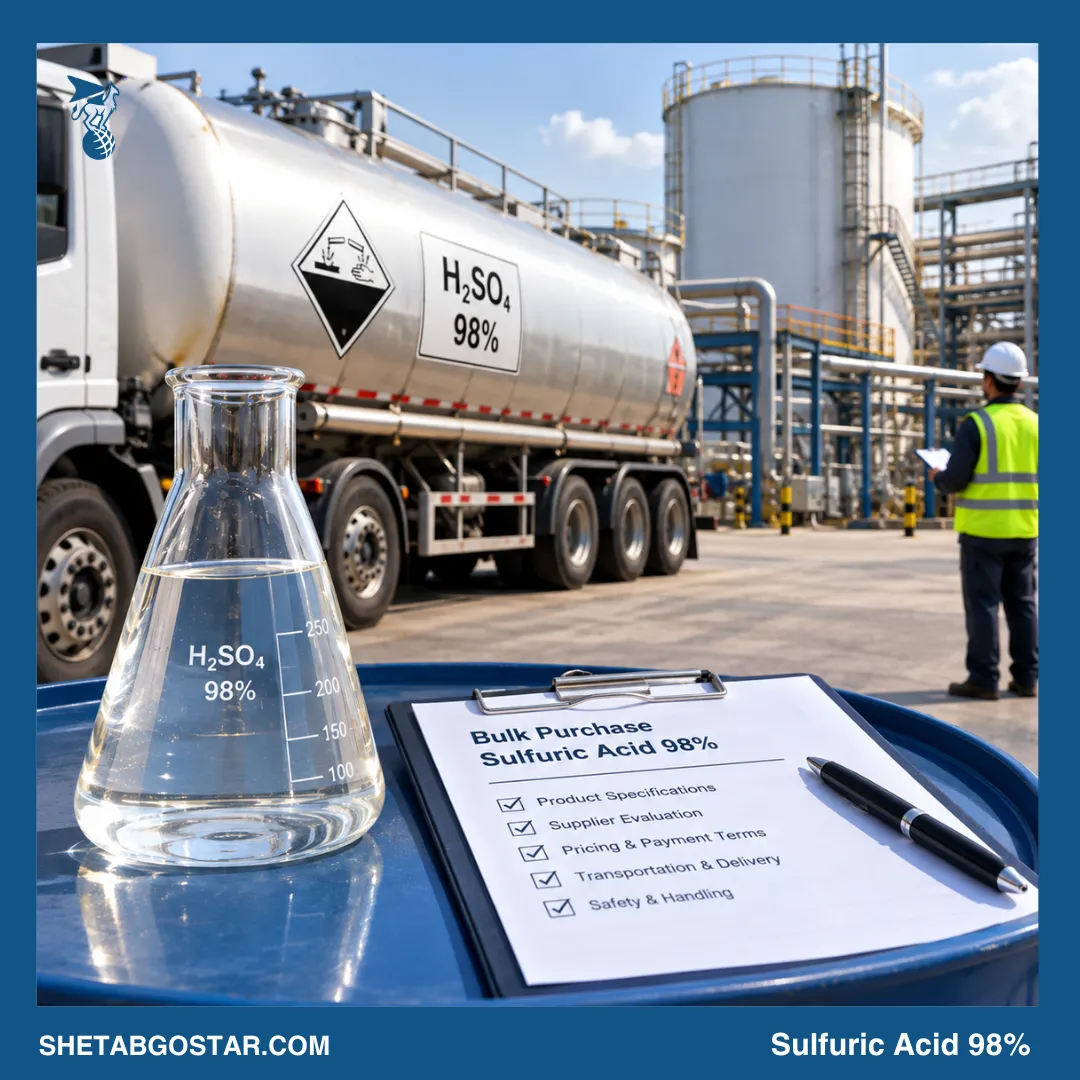
Industrial acids such as hydrochloric acid, sulfuric acid, and nitric acid are subject to strict handling and transportation requirements. Therefore, exporters should identify the applicable regulations before preparing a shipment.
Key compliance areas commonly include:
Product Quality Standards
The product should meet the agreed technical specification and contractual purity requirements. A Certificate of Analysis normally confirms important parameters such as concentration, purity, appearance, and other product-specific characteristics.
Packaging Standards
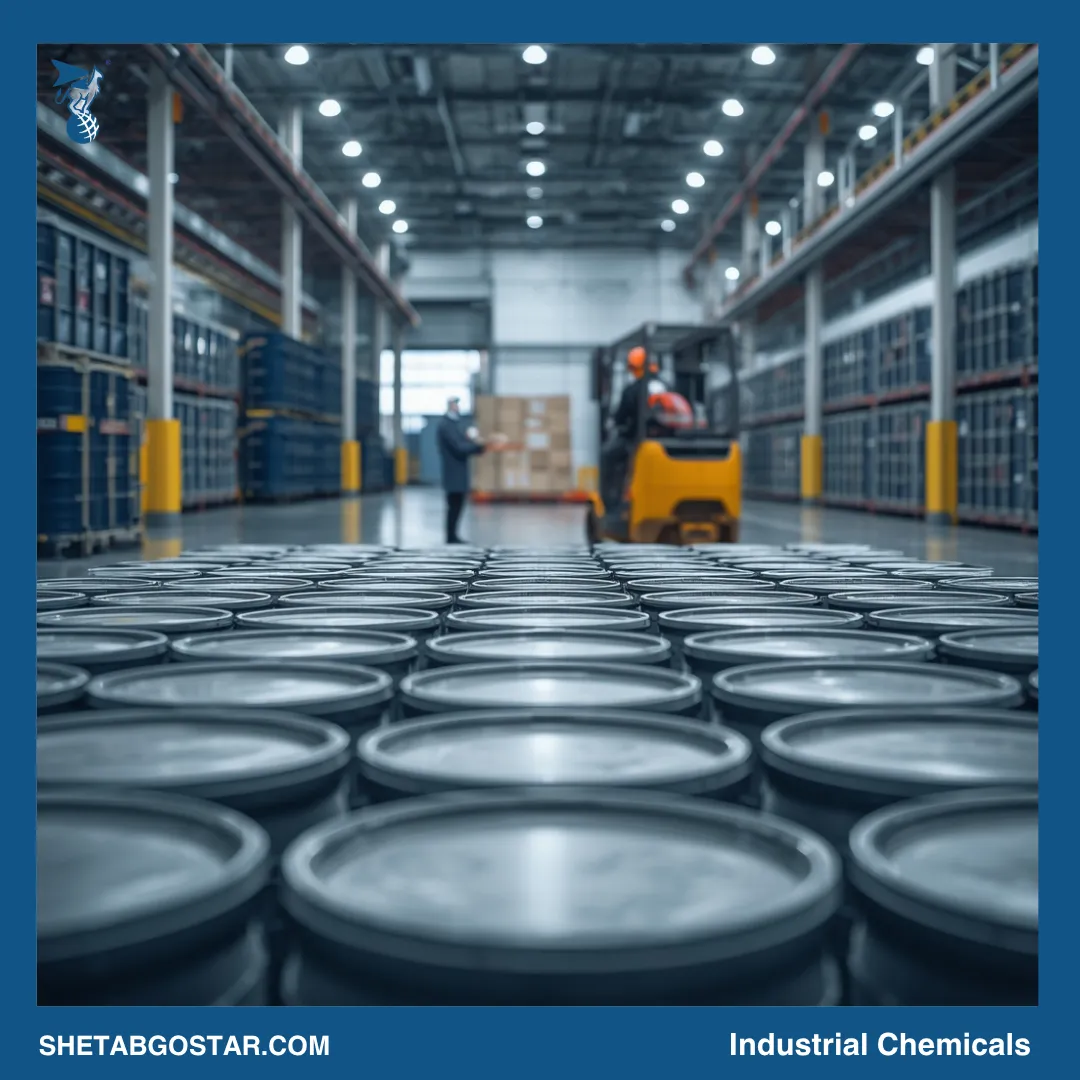
Acid-resistant packaging is essential for safe transportation. Depending on the product and shipment size, suitable packaging can include approved drums, IBC containers, or specialized bulk tankers.
Packaging must be compatible with the chemical and suitable for the selected transportation method.
Labeling Requirements
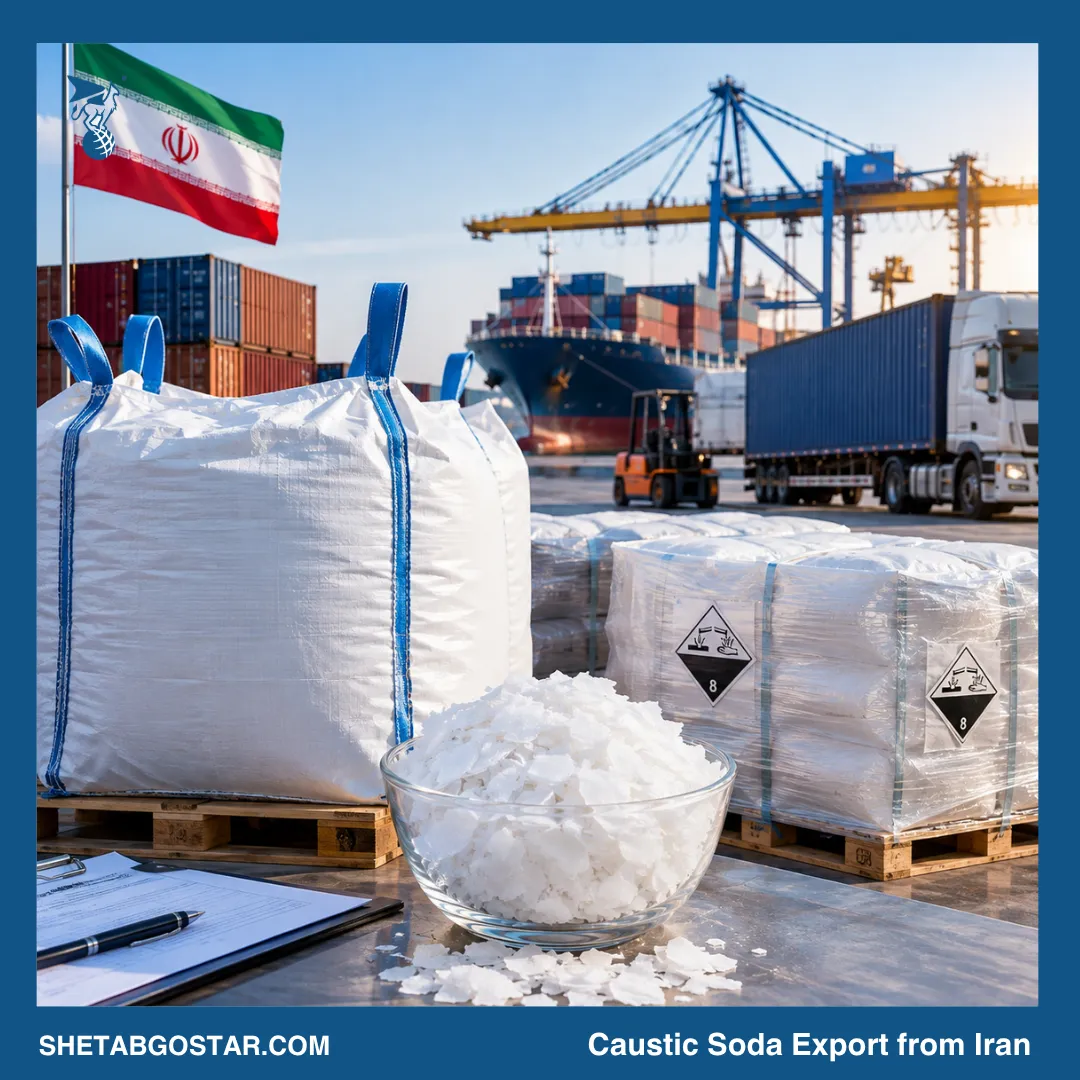
Hazard labels, product identification, handling instructions, and transport markings must be correctly displayed. For dangerous goods, internationally recognized transport classifications and labeling systems may apply.
Incorrect labeling can result in customs problems, shipment delays, or safety incidents.
Export Inspection Requirements
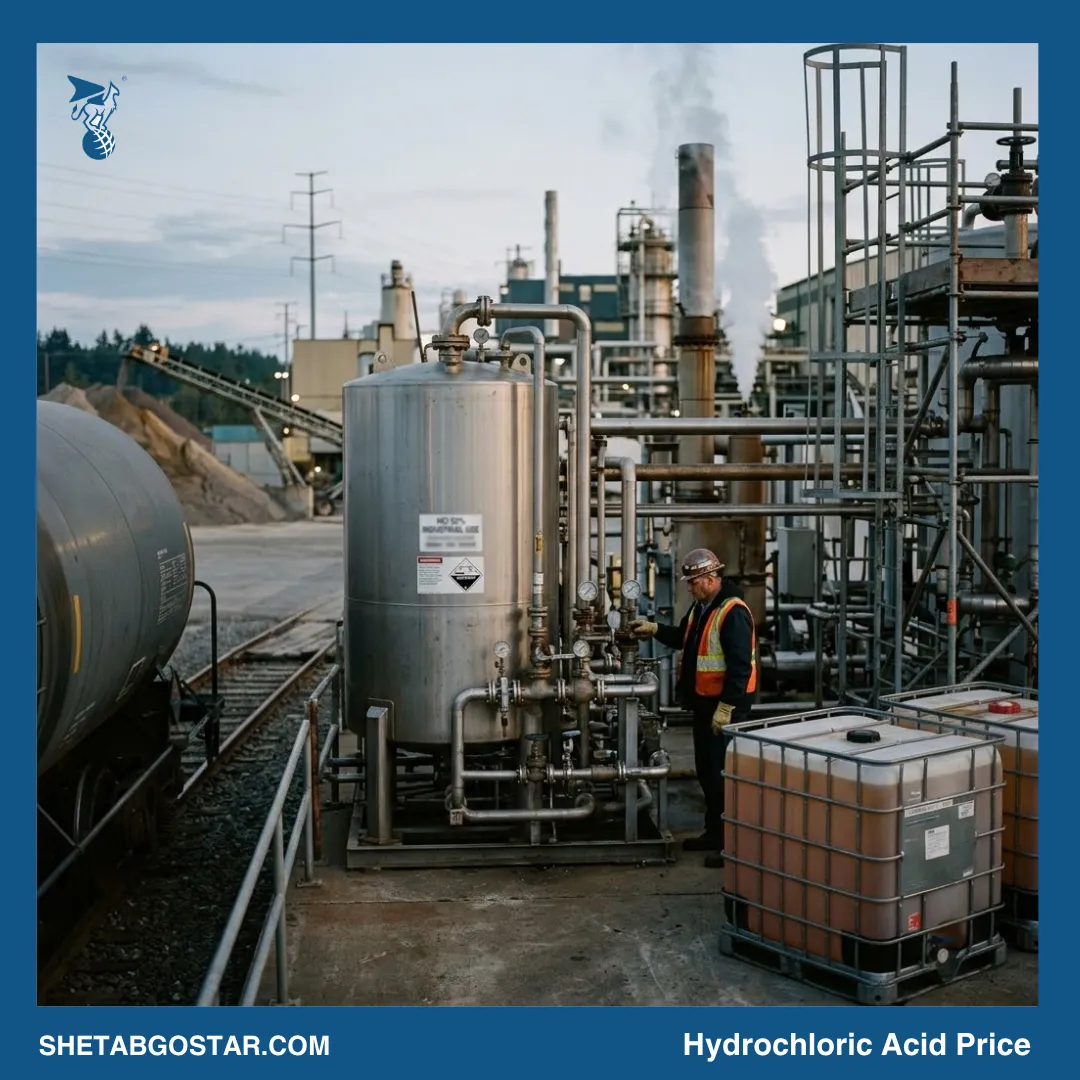
Pre-shipment inspection can be an important part of international acid trade. The inspection process may verify the product quantity, packaging condition, labeling, documentation, and compliance with the buyer’s specifications. For hydrochloric acid shipments, exporters should also follow appropriate HSE procedures for loading and unloading at border customs.
Depending on the destination and contract, an inspection may include:
- Verification of product identity.
- Sampling and laboratory testing.
- Confirmation of quantity and concentration.
- Inspection of packaging and containers.
- Review of shipping and safety documents.
- Verification of markings and labels.
For large-volume shipments, inspection should ideally be completed before loading so that potential discrepancies can be corrected before the cargo leaves the facility.
Documents Required for International Acid Export
Accurate documentation is one of the most important parts of chemical export compliance. Exporters should prepare documents according to the requirements of the buyer, customs authorities, carrier, and destination country.
A typical export documentation package may include the COA, SDS, commercial invoice, packing list, certificate of origin, bill of lading, and dangerous goods declaration, where applicable.
The information across these documents should be consistent. Product names, quantities, concentrations, container numbers, and shipping details should be checked carefully before submission.
Why Export Inspection Is Important
Export inspection provides an additional layer of quality and compliance control. It can help buyers confirm that the delivered acid corresponds to the agreed specifications before shipment.
Furthermore, systematic inspection can reduce the risk of:
- Incorrect product concentration
- Contaminated material
- Damaged containers
- Incorrect labeling
- Documentation discrepancies
- Customs clearance delays
For international B2B transactions, these controls can also strengthen buyer confidence and support long-term supply agreements.
How Exporters Can Prepare for Compliance
A practical compliance process should begin before the shipment is booked. First, the exporter should identify the regulations applicable to the destination market. Next, the product specification, packaging, labels, and documentation should be reviewed.
A useful checklist includes:
- Confirm the buyer’s technical specifications.
- Verify the required acid concentration and grade.
- Prepare the COA and SDS.
- Select compatible and approved packaging.
- Check hazard labels and transport markings.
- Arrange inspection when required.
- Verify customs and dangerous goods documentation.
- Review all shipment information before loading.
This approach helps exporters identify compliance problems before the cargo reaches customs or the destination terminal.
Conclusion
Acid export certification is an essential part of responsible international chemical trade. Product quality, packaging, labeling, inspection, and documentation must work together to ensure that acid shipments comply with applicable regulations.
By establishing a structured inspection and documentation process before loading, exporters can reduce compliance risks, support smoother customs clearance, and provide international buyers with greater confidence in the shipment.