Ethanol96 vs 70 Isopropyl70: Which Alcohol Is Better for Disinfection?
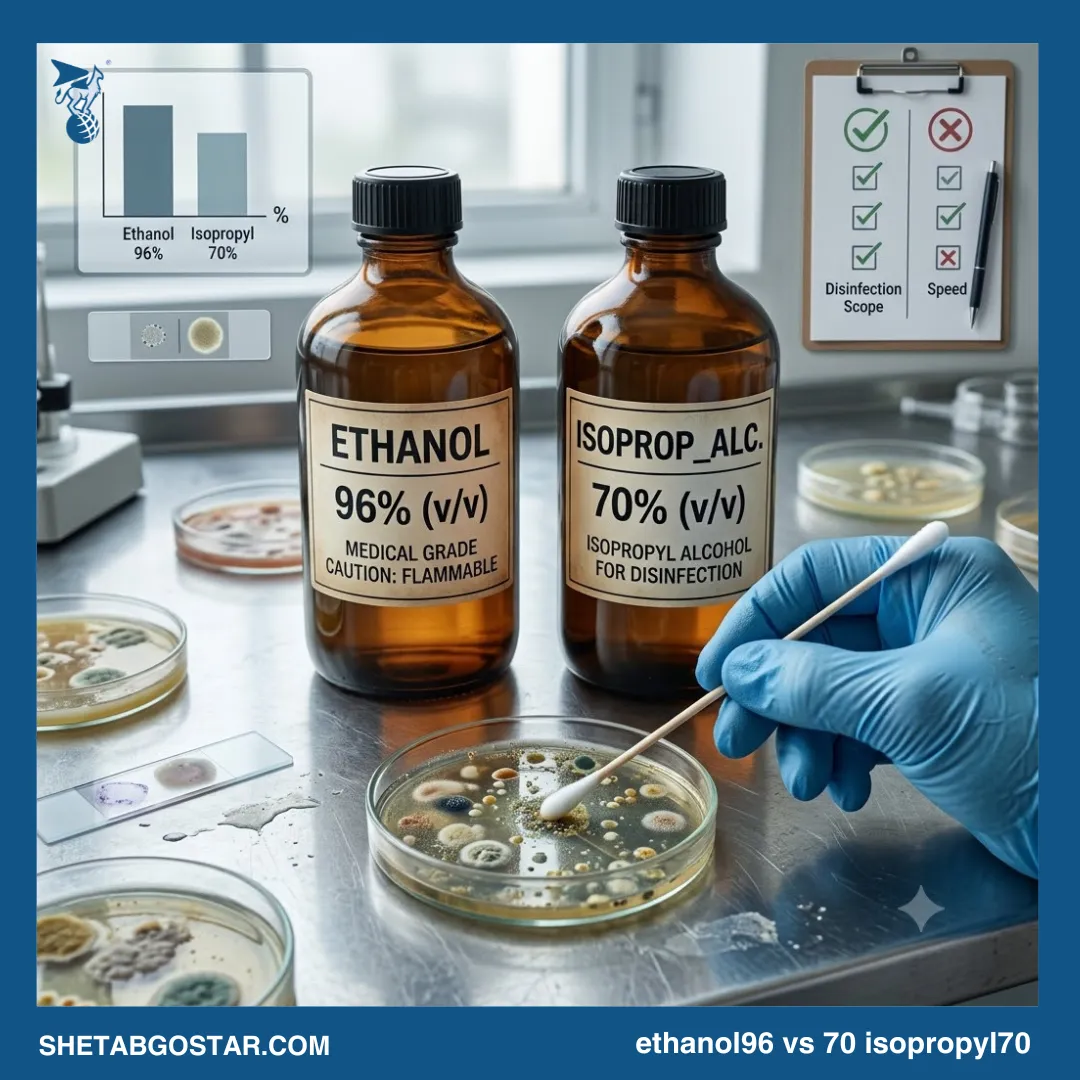
When comparing ethanol96 vs 70 isopropyl70, many industrial buyers assume that higher alcohol concentration automatically means stronger disinfection. In reality, the answer depends on how the disinfectant is being used. While 96% ethanol offers exceptional purity and versatility for industrial applications, 70% isopropyl alcohol is often preferred for routine surface disinfection because of its balanced evaporation rate and microbial effectiveness.
Understanding the strengths and limitations of both products helps manufacturers, laboratories, healthcare facilities, and distributors choose the most suitable disinfectant for their specific needs.
Why Alcohol Concentration Matters
Alcohol destroys microorganisms by denaturing proteins and disrupting cell membranes. However, this process requires sufficient contact time.
A small amount of water actually improves the penetration of alcohol into microbial cells, making certain concentrations more effective against bacteria and many viruses than nearly pure alcohol.
This explains why concentration—not just purity—is one of the most important factors when selecting a disinfectant.
What Is 96% Ethanol?
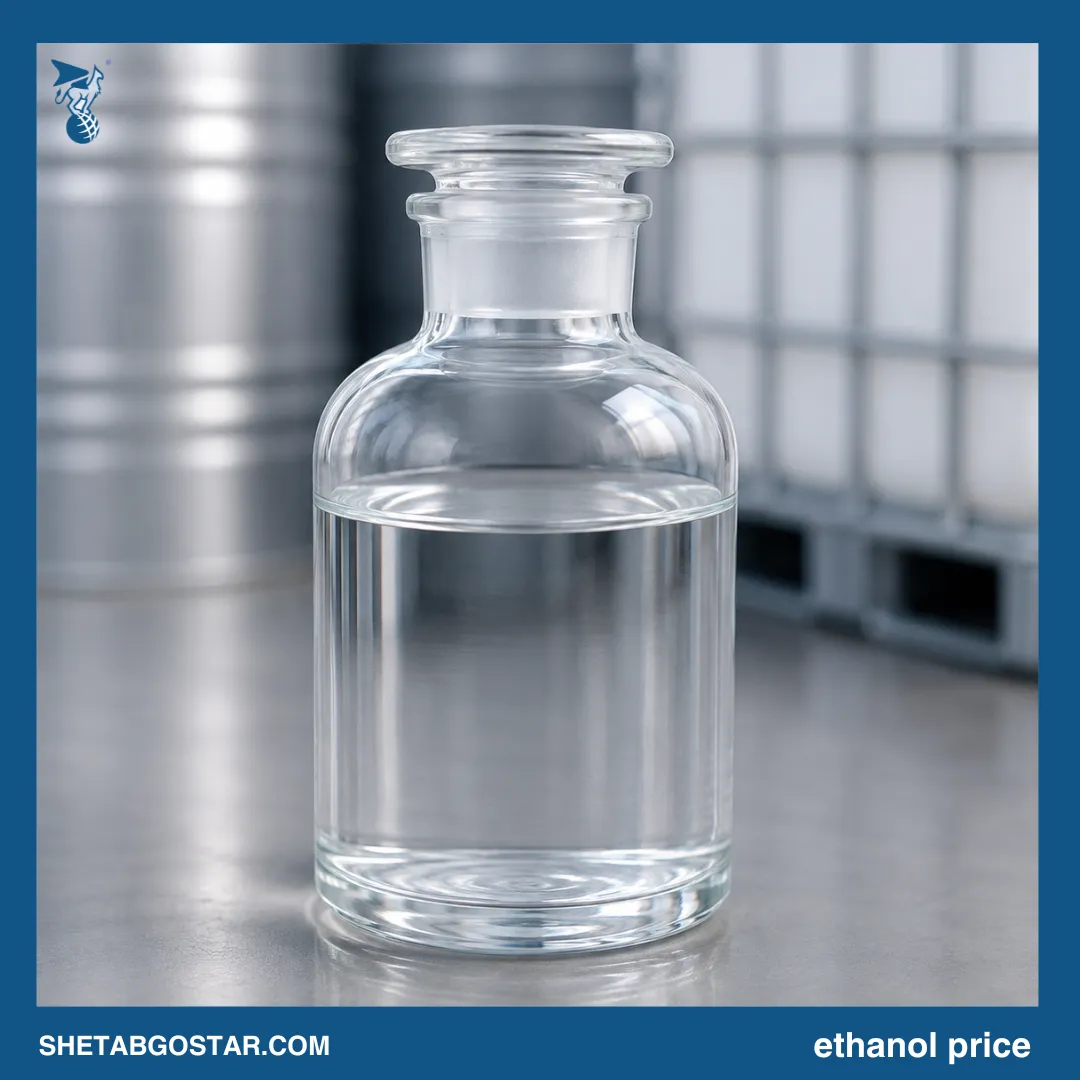
96% ethanol is a high-purity ethyl alcohol widely used in industrial manufacturing, pharmaceutical production, laboratories, cosmetics, chemical processing, and food industries.
Its advantages include:
- High chemical purity
- Low residue after evaporation
- Suitable for formulation of disinfectants
- Excellent solvent for industrial processes
- Widely accepted in pharmaceutical manufacturing
Because it evaporates rapidly, pure ethanol is commonly diluted before being used as a surface disinfectant.
What Is 70% Isopropyl Alcohol?
70% isopropyl alcohol (IPA) contains approximately 70% isopropanol and 30% purified water.
This concentration is specifically designed to maximize disinfectant performance by allowing longer contact with microorganisms.
Common applications include:
- Medical equipment cleaning
- Laboratory surface disinfection
- Electronics cleaning
- Hospital sanitation
- General industrial maintenance
Ethanol96 vs 70 Isopropyl70: Side-by-Side Comparison
| Feature | 96% Ethanol | 70% Isopropyl Alcohol |
|---|---|---|
| Primary Purpose | Industrial solvent and raw material | Ready-to-use disinfectant |
| Evaporation Rate | Very fast | Moderate |
| Surface Contact Time | Short | Longer |
| Residue | Minimal | Very low |
| Industrial Formulation | Excellent | Limited |
| Routine Surface Disinfection | Usually diluted first | Excellent |
| Pharmaceutical Manufacturing | Widely used | Common for cleaning equipment |
Which Alcohol Kills Germs More Effectively?
One of the biggest misconceptions in ethanol96 vs 70 isopropyl70 comparisons is believing that higher concentration always means greater antimicrobial performance.
For direct surface disinfection:
- 70% isopropyl alcohol generally provides longer contact time.
- Water improves protein denaturation.
- Slower evaporation allows more complete microbial destruction.
Meanwhile, 96% ethanol is frequently used as a raw material to formulate disinfectants at optimized concentrations rather than being applied directly in its pure form.
Industrial Applications of 96% Ethanol
High-purity ethanol remains the preferred option for many industrial sectors because it serves purposes beyond simple disinfection.
Typical industries include:
- Pharmaceutical manufacturing
- Chemical production
- Cosmetic manufacturing
- Laboratory reagent preparation
- Food processing
- Industrial solvent production
Its versatility makes it an essential raw material across multiple manufacturing sectors.
Safety Considerations
Both alcohols are highly flammable and require proper storage.
Recommended safety practices include:
- Store away from ignition sources.
- Use in well-ventilated areas.
- Wear appropriate protective equipment.
- Keep containers tightly sealed.
- Follow local chemical handling regulations.
Proper storage also helps preserve product quality during transportation and long-term inventory management.
Cost Considerations
Choosing between ethanol and isopropyl alcohol should not be based solely on purchase price.
Industrial buyers should also evaluate:
- Intended application
- Required purity
- Shipping regulations
- Storage conditions
- Consumption volume
- Regulatory compliance
In many production facilities, purchasing concentrated ethanol and diluting it according to process requirements can provide greater operational flexibility.
Which Product Should You Choose?
The answer depends entirely on your intended application.
Choose 96% ethanol if you need:
- High-purity industrial alcohol
- A solvent for manufacturing
- Pharmaceutical-grade formulations
- Raw material for disinfectant production
- Flexible industrial applications
Choose 70% isopropyl alcohol if you need:
- Ready-to-use surface disinfectant
- Medical equipment cleaning
- Routine workplace sanitation
- Longer disinfectant contact time
Rather than asking which product is universally better, industrial buyers should determine which product best matches their operational requirements.
Conclusion
The comparison between ethanol96 vs 70 isopropyl70 demonstrates that each alcohol serves a different purpose. While 70% isopropyl alcohol is widely recognized for effective routine surface disinfection, 96% ethanol offers exceptional versatility as a high-purity industrial chemical and an essential ingredient in disinfectant formulations.
For manufacturers, distributors, and international buyers, selecting the right alcohol means balancing effectiveness, purity, regulatory requirements, and overall production needs. As a reliable supplier and exporter of high-purity 96% ethanol, we provide consistent quality, secure packaging, and dependable global supply solutions for industrial customers.