Caustic Soda in Lithium-Ion Battery Recycling: Where Sodium Hydroxide Fits in Metal Recovery
The growing demand for electric vehicles and energy storage systems has increased the need for efficient lithium-ion battery recycling. These batteries contain valuable metals such as lithium, nickel, cobalt, and manganese. Recovering these materials can reduce waste, support resource conservation, and lower dependence on newly mined raw materials.
Caustic soda (sodium hydroxide or NaOH) plays an important role in several battery recycling processes. In particular, it helps control chemical conditions and separate valuable metals from complex solutions. Understanding its role can help recycling companies improve recovery efficiency and process reliability.
1. Understanding Lithium-Ion Battery Recycling
Lithium-ion battery recycling involves several stages designed to recover useful materials from used batteries. The process generally begins with safe discharge, dismantling, and mechanical treatment.
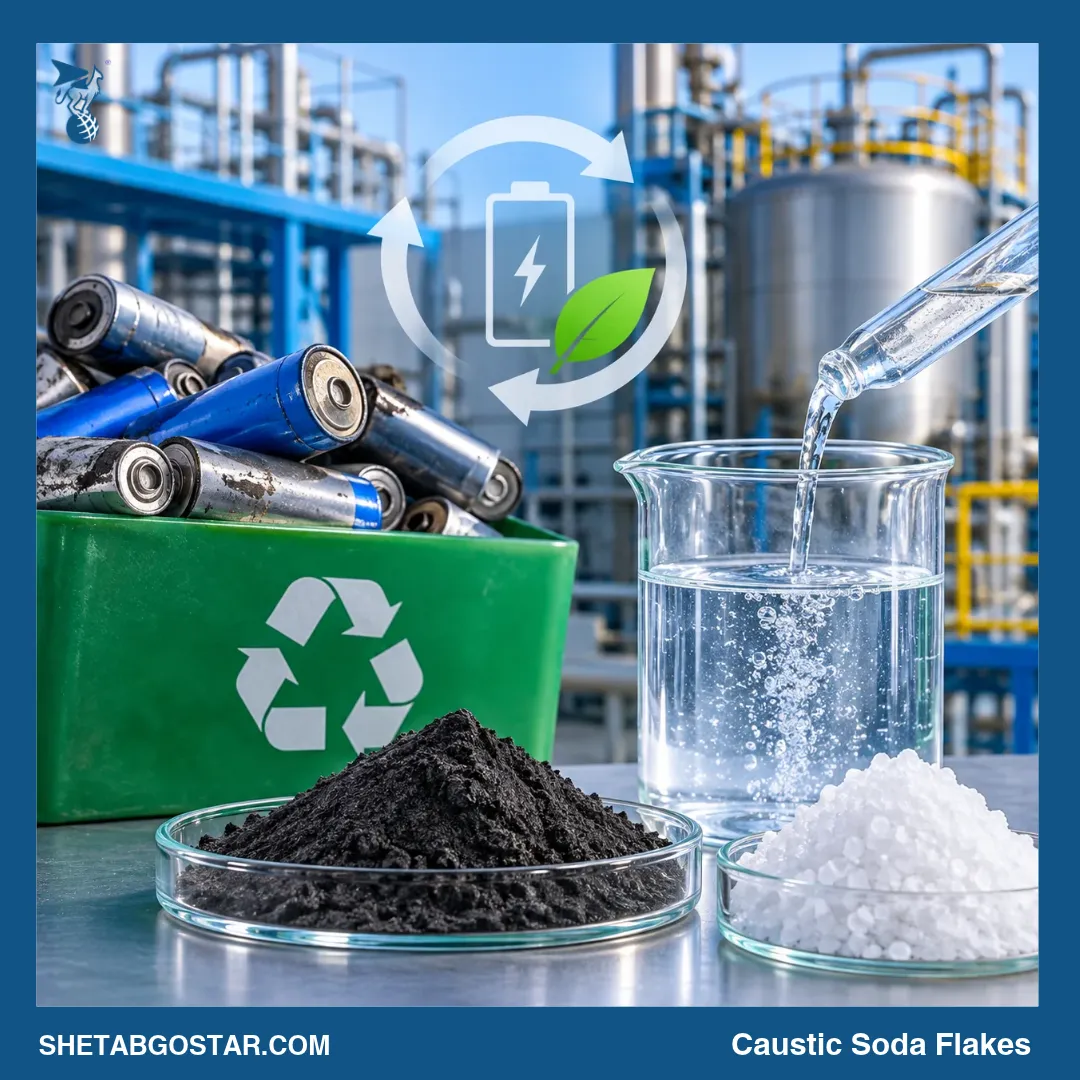
After these steps, recycling facilities produce a material commonly known as black mass. This powder contains valuable cathode and anode materials, including lithium, nickel, cobalt, manganese, and graphite.
Next, hydrometallurgical processing can be used to extract and separate metals. This approach relies on chemical solutions and controlled reactions to recover materials in reusable forms.
2. The Role of Caustic Soda in Metal Recovery
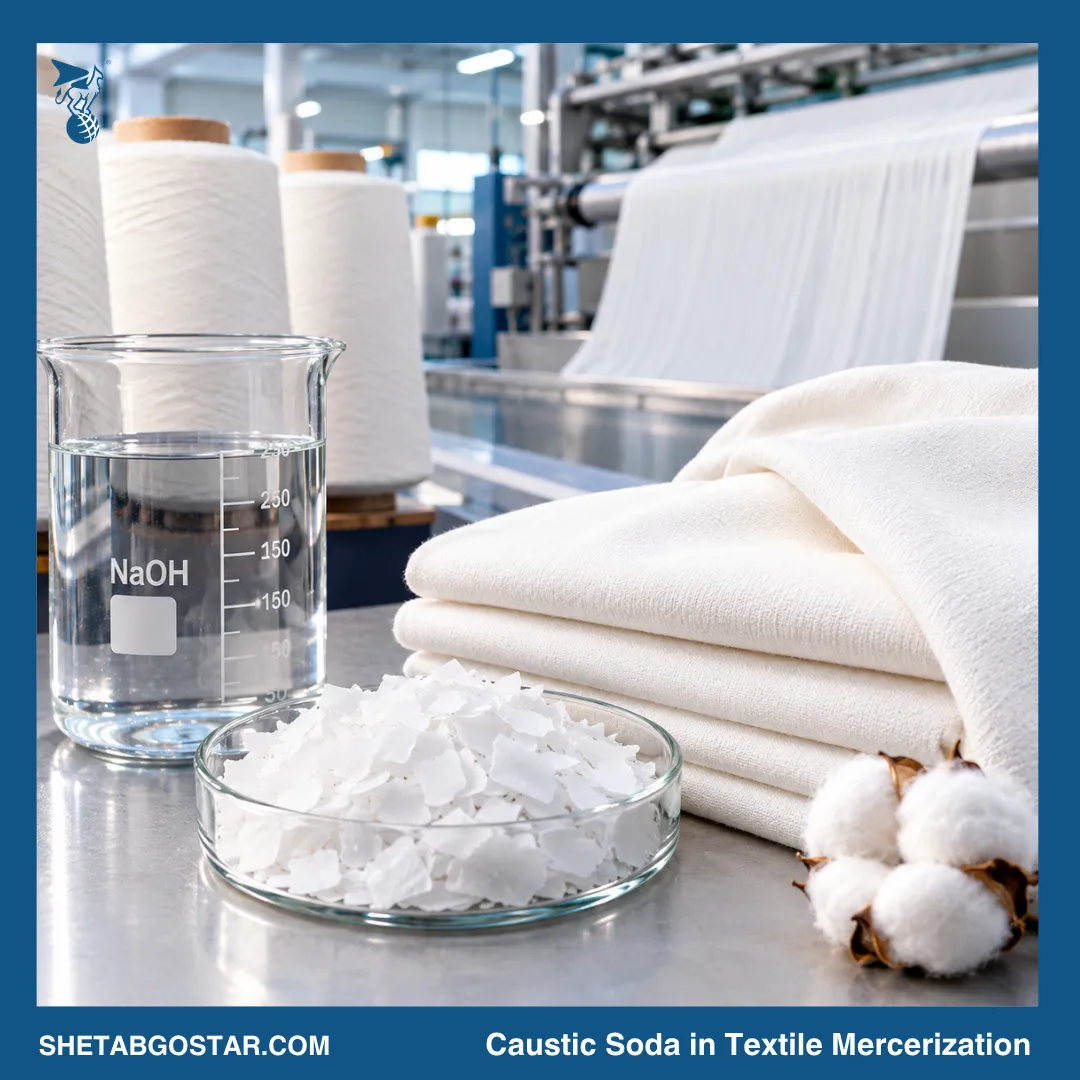
Caustic soda is widely used in hydrometallurgical operations because it provides strong alkaline conditions. Its main contribution is controlling the pH of metal-containing solutions.
During battery recycling, different metals behave differently depending on the pH level. By adding sodium hydroxide under controlled conditions, operators can encourage selected metal ions to form insoluble hydroxide compounds.
For example, nickel, cobalt, and manganese can form metal hydroxide precipitates. These solids can then be separated through filtration.
This process offers several advantages:
- Supports controlled metal precipitation.
- Helps separate valuable metals from liquid solutions.
- Provides pH adjustment during purification.
- Supports the production of mixed metal hydroxide materials.
- Improves control over downstream recovery operations.
3. How Sodium Hydroxide Supports Hydrometallurgical Processing
Hydrometallurgical recycling commonly involves acid leaching followed by purification and metal recovery.
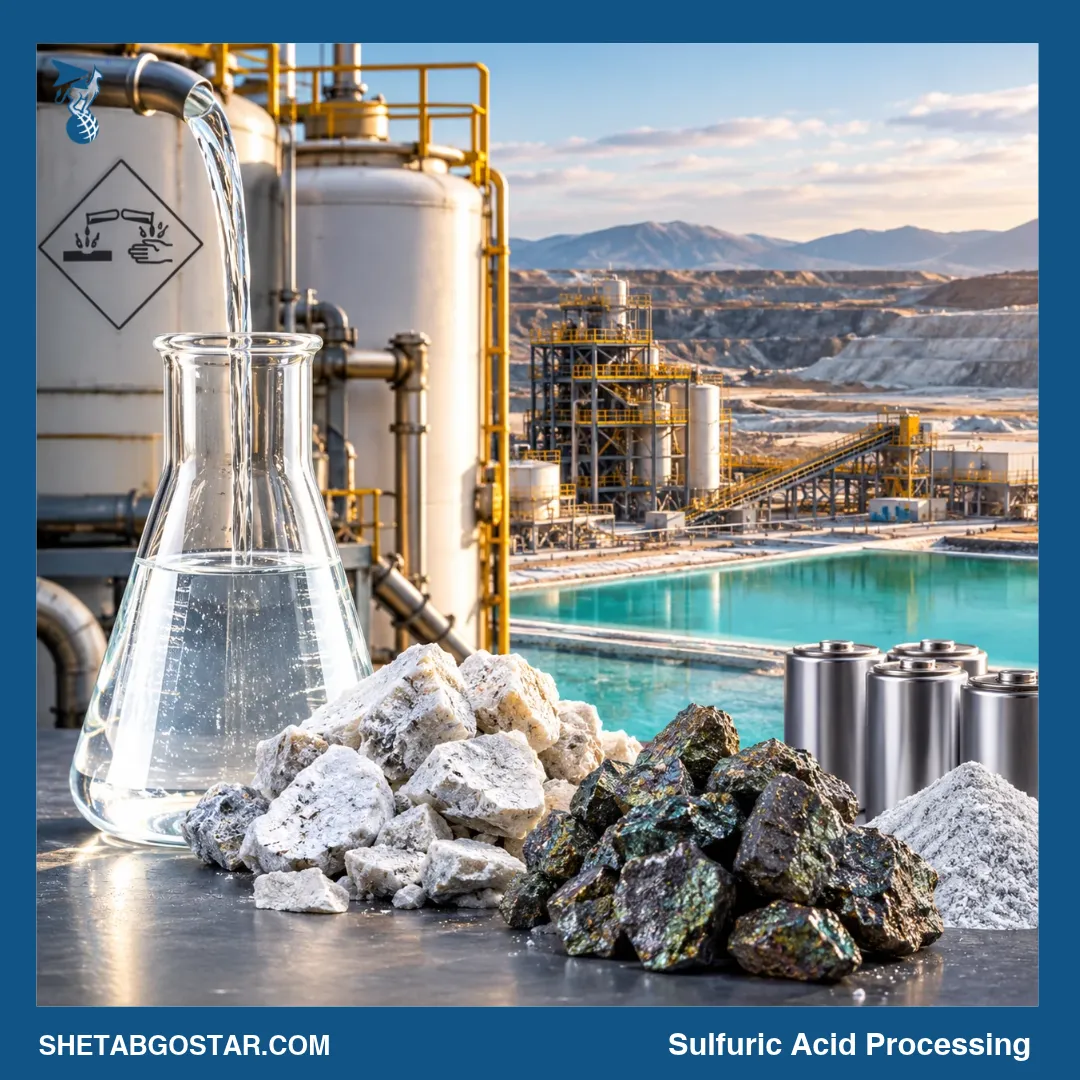
First, an acidic solution, often based on sulfuric acid and a reducing agent, dissolves metals from the battery materials. The resulting solution contains dissolved metal ions.
After leaching, sodium hydroxide can be introduced gradually to increase the pH. As the pH changes, certain metal ions react with hydroxide ions and form solid compounds.
Similar pH adjustment and metal precipitation principles are also used in industrial wastewater treatment, where caustic soda helps neutralize acidic streams and remove dissolved metals.
For example:
Ni²⁺ + 2OH⁻ → Ni(OH)₂
Co²⁺ + 2OH⁻ → Co(OH)₂
Mn²⁺ + 2OH⁻ → Mn(OH)₂
These reactions demonstrate how sodium hydroxide supports the precipitation of valuable metals.
However, controlling the pH is essential. Nickel, cobalt, and manganese can precipitate within overlapping pH ranges. Therefore, achieving selective separation may require additional purification techniques, such as solvent extraction.
4. Recovering Lithium After Metal Precipitation
An important consideration in lithium-ion battery recycling is the separation of lithium from other valuable metals.
Unlike many transition metals, lithium hydroxide is relatively soluble in water. Therefore, lithium generally remains in the liquid phase during the precipitation of nickel, cobalt, and manganese hydroxides.
After removing these metals, the remaining solution can undergo additional treatment to recover lithium.
One common approach involves adding sodium carbonate (Na₂CO₃) to produce lithium carbonate (Li₂CO₃), an important industrial material used in battery production.
This distinction is important: sodium hydroxide mainly supports pH adjustment and metal hydroxide precipitation, while sodium carbonate is commonly used for lithium carbonate recovery.
5. Caustic Soda in Lithium Iron Phosphate Battery Recycling
Lithium iron phosphate (LFP) batteries require different recycling strategies because their cathode chemistry differs from nickel-based battery systems.
In some emerging hydrometallurgical approaches, sodium hydroxide is used as an alkaline leaching agent to recover lithium from treated LFP cathode materials.
These methods can selectively transfer lithium into a liquid solution while retaining iron-containing compounds in the solid phase.
However, alkaline leaching is not a universal solution for all battery chemistries. The appropriate process depends on the cathode composition, pretreatment conditions, and desired recovery products.
6. Industrial Benefits of Using Caustic Soda
The use of caustic soda offers several operational benefits for battery recycling facilities.
Better pH management: Sodium hydroxide allows operators to adjust solution acidity and create suitable conditions for metal precipitation.
Metal recovery support: It helps convert dissolved metal ions into solid hydroxide compounds that can be collected and processed further.
Process flexibility: Different concentrations and dosing strategies can be selected according to the chemical composition of the recycling solution.
Integration with existing processes: Caustic soda can be incorporated into established hydrometallurgical purification and wastewater treatment systems.
Nevertheless, its performance depends on process design, chemical consumption, and the quality of the incoming material.
7. Quality and Safety Considerations
Battery recycling requires careful chemical management. Caustic soda is highly corrosive and can cause severe skin and eye burns. Therefore, industrial facilities must use appropriate protective equipment, chemical-resistant storage systems, and controlled dosing equipment.
Moreover, excessive sodium hydroxide consumption can increase operating costs and introduce additional sodium into wastewater streams.
Recycling facilities should monitor pH, chemical concentration, precipitation efficiency, and wastewater quality throughout the process.
Reliable caustic soda quality is also important. Consistent concentration and controlled impurity levels help operators maintain predictable chemical conditions.
8. Future Opportunities for Caustic Soda Suppliers
The expansion of electric vehicle production and battery energy storage systems is expected to increase demand for battery recycling technologies.
As recycling capacity grows, industrial chemical suppliers may find new opportunities to serve hydrometallurgical facilities.
Caustic soda can remain an important process chemical in this market, particularly for pH adjustment, purification, and metal precipitation.
However, recycling companies will increasingly focus on chemical efficiency, wastewater management, and overall operating costs. Suppliers that provide consistent product quality and dependable delivery can support these industrial requirements.
Conclusion
Caustic soda plays a valuable role in lithium-ion battery recycling, particularly in hydrometallurgical metal recovery. Its ability to control pH and promote metal hydroxide precipitation makes it useful for recovering nickel, cobalt, and manganese.
Although sodium hydroxide is not the primary leaching chemical in every recycling process, its contribution to purification and downstream metal recovery is significant.
As battery recycling technologies develop, reliable supplies of high-quality caustic soda will remain important for industrial operations focused on efficient and sustainable resource recovery.