Lye vs. Flakes: Evaluating Cost, Freight Efficiency, and Storage Logistics for Bulk Caustic Soda Sourcing
When sourcing caustic soda in bulk, choosing between caustic soda flakes and lye can have a major impact on procurement costs, transportation efficiency, storage requirements, and overall supply chain performance. Although both forms contain sodium hydroxide (NaOH), their physical properties create important differences in handling and logistics.
For industrial buyers, the best option is not always the product with the lowest purchase price. Freight costs, storage capacity, packaging, handling equipment, and destination requirements can significantly change the total cost of ownership.
What Is the Difference Between Caustic Soda Flakes and Lye?
Caustic soda is commercially available in several forms, with solid flakes and liquid lye being two of the most common options for industrial applications.
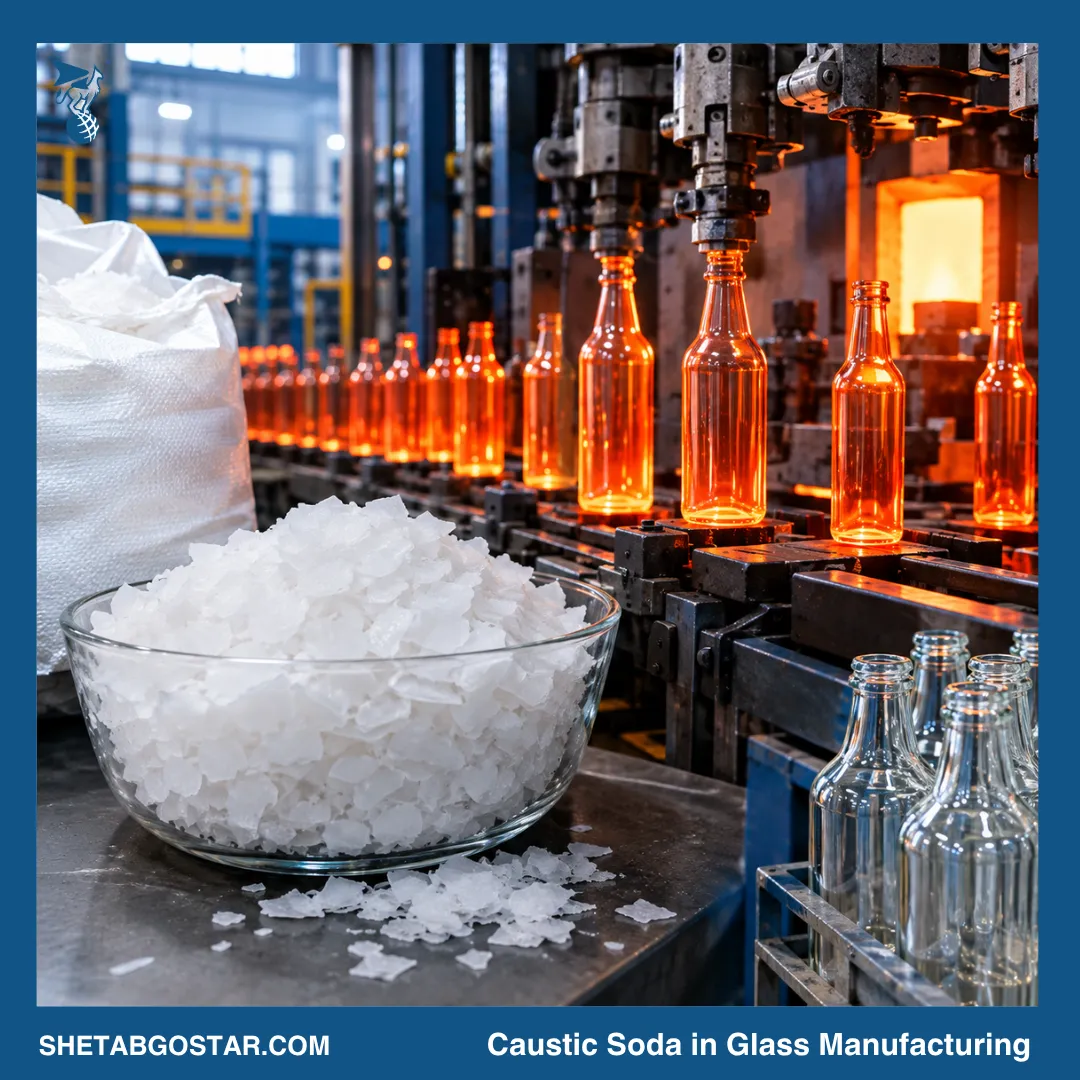
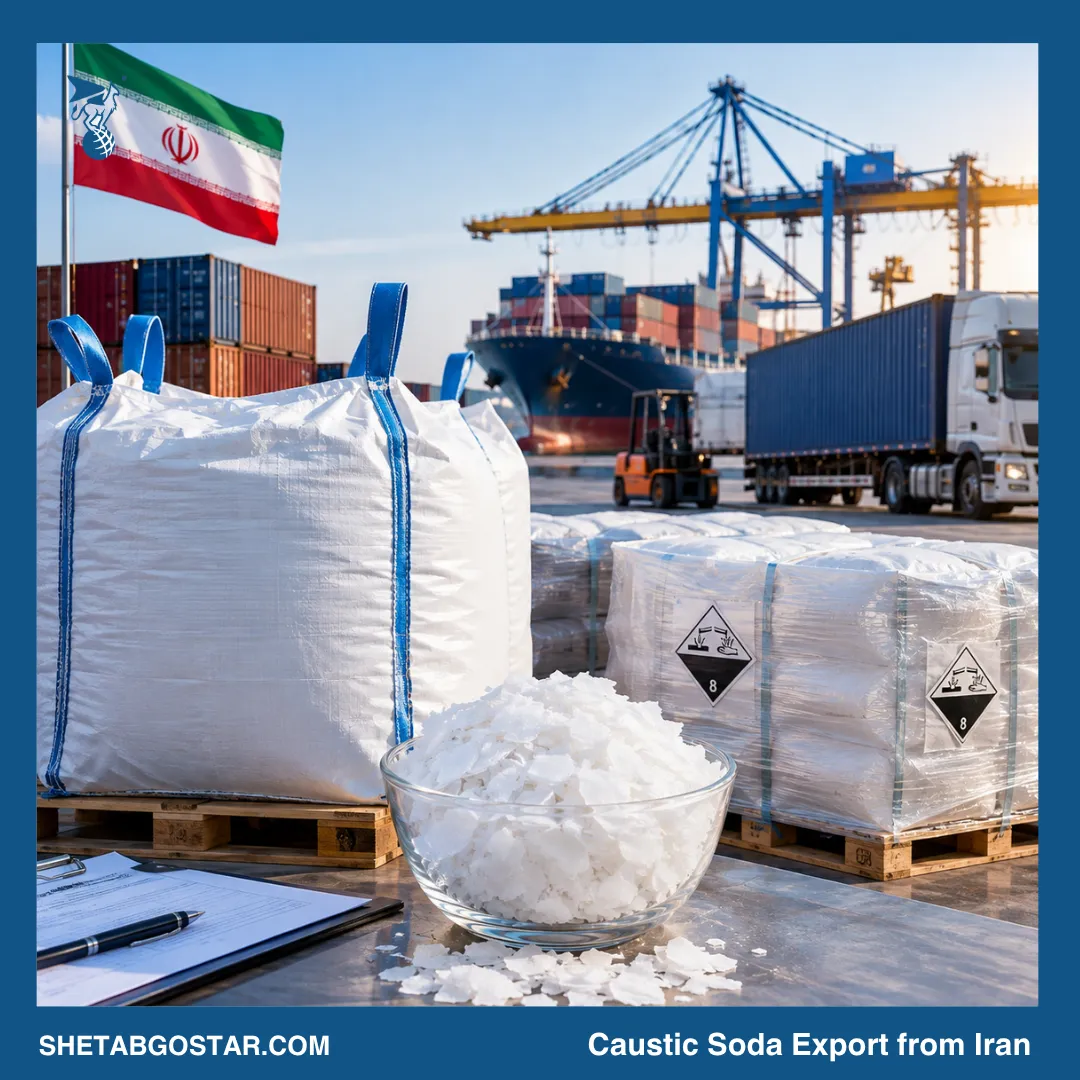
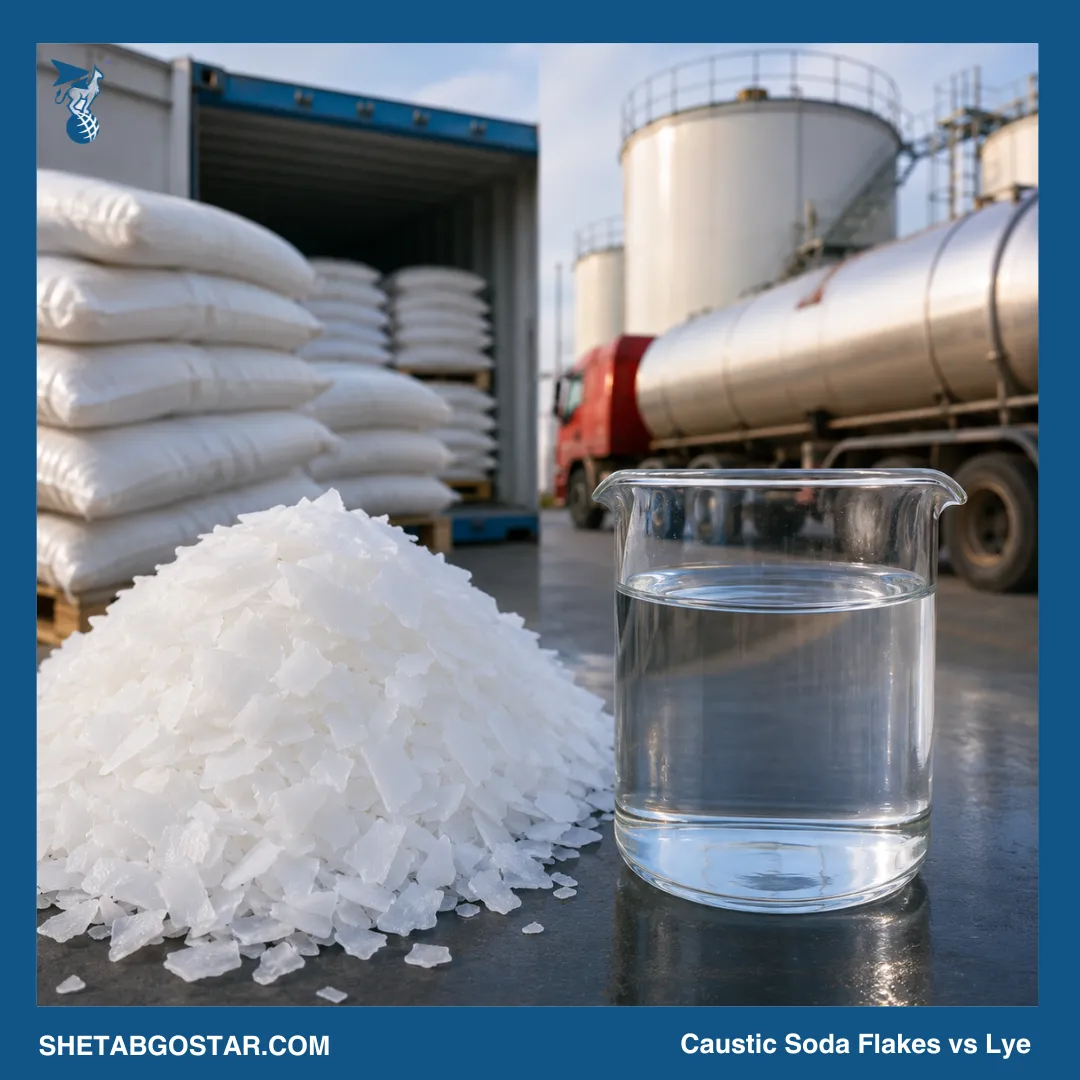
Caustic soda flakes are a concentrated solid form of sodium hydroxide. They are typically supplied in bags and can be stored for later use or dissolved when required.
Caustic soda lye, on the other hand, is sodium hydroxide dissolved in water. Commercial grades are commonly supplied at concentrations such as 32% or 50%, depending on the application and supply chain.
Therefore, the main difference is not the active chemical itself. Instead, it is the concentration, physical form, packaging, transportation method, and storage requirements.
Caustic Soda Flakes vs Lye: Cost Comparison
The purchase price per metric ton does not tell the complete story.
With caustic soda lye, buyers are paying for both sodium hydroxide and the water contained in the solution. This means that the effective amount of NaOH delivered per shipment is lower than the total shipment weight.
Caustic soda flakes contain a much higher percentage of active sodium hydroxide. As a result, they can offer an advantage when transportation distance is long and freight represents a significant portion of the landed cost.
However, flakes may require additional handling or dissolution equipment at the destination.
What Determines the Real Cost?
Industrial buyers should evaluate:
- Product price per metric ton
- NaOH concentration
- Ocean or inland freight
- Packaging costs
- Loading and unloading expenses
- Storage infrastructure
- Dissolution requirements
- Handling labor
- Import duties and local taxes
- Product losses during handling
Consequently, comparing only the supplier’s quoted price can lead to an inaccurate purchasing decision.
Freight Efficiency and Transportation
Transportation is one of the most important differences between the two forms.
Liquid lye contains a significant amount of water. Therefore, shipping large volumes of liquid sodium hydroxide can mean transporting considerable quantities of water along with the active chemical.
Caustic soda flakes offer greater concentration per unit of shipment weight. This can make them particularly attractive for long-distance international trade.
However, transportation efficiency also depends on the selected packaging and logistics system.
Shipping Caustic Soda Flakes
Flakes can be transported using:
- 25 kg or similar industrial bags
- Jumbo bags
- Palletized shipments
- Containers
- Bulk handling systems
Their solid form can provide greater flexibility for international buyers because the product does not require liquid tank infrastructure during transportation.
Shipping Caustic Soda Lye
Liquid caustic soda requires compatible tanks, tank trucks, ISO tanks, or other suitable liquid chemical transportation systems.
This infrastructure can be highly efficient for buyers with established bulk-liquid handling facilities. However, it may be less convenient for smaller industrial consumers or destinations without appropriate storage tanks.
Storage Logistics: Flakes vs Lye
Storage requirements are another major consideration when evaluating caustic soda flakes vs lye.
Caustic Soda Flakes Storage
Flakes require a dry and properly controlled storage environment. Moisture exposure can cause the product to absorb water and deteriorate in handling quality.
Therefore, warehouses storing caustic soda flakes should provide:
- Moisture protection
- Suitable ventilation
- Chemical-resistant storage areas
- Properly sealed packaging
- Safe handling procedures
- Separation from incompatible materials
For companies that already have dry chemical storage facilities, flakes can be relatively straightforward to manage.
Caustic Soda Lye Storage
Liquid lye requires dedicated storage tanks designed for highly corrosive chemicals. Tank materials, temperature management, transfer systems, and containment measures must be considered.
This infrastructure can represent a significant initial investment.
However, once a suitable liquid storage system is installed, lye can be highly convenient for continuous industrial processes that consume sodium hydroxide in liquid form.
Which Form Is Better for Bulk Buyers?
There is no universal answer. The right choice depends on the buyer’s production process and logistics network.
Caustic soda flakes may be preferable when:
- The buyer has limited liquid storage infrastructure.
- The shipment travels a long international distance.
- High NaOH concentration is important.
- The buyer needs flexible storage.
- The product may be stored before use.
- The buyer wants to avoid transporting large quantities of water.
Caustic soda lye may be preferable when:
- The production process directly consumes liquid NaOH.
- The buyer already has compatible storage tanks.
- Large volumes are consumed continuously.
- Liquid chemical handling infrastructure is already available.
- Avoiding dissolution of solid caustic soda is important.
The Importance of Total Landed Cost
For international procurement, total landed cost is more useful than the initial product quotation.
A simplified evaluation can include:
Total Landed Cost = Product Cost + Freight + Insurance + Packaging + Handling + Storage + Import Costs
For flakes, buyers may have higher packaging and handling requirements but benefit from greater concentration.
For lye, packaging may be reduced in bulk shipments, but transportation and storage infrastructure can become more significant.
Therefore, buyers should compare both options using the same final-unit basis, such as the cost per metric ton of active NaOH delivered to the production facility.
Supply Chain Flexibility
Flakes can provide additional flexibility because they can be stored and transported without dedicated liquid tanks. This can be particularly useful for distributors and industrial buyers serving multiple customers.
Lye, however, can be highly efficient for large-scale facilities with continuous consumption. Direct transfer from storage tanks to production equipment can reduce certain handling steps.
Ultimately, the optimal choice depends on the scale and structure of the buyer’s supply chain.
Safety and Handling Considerations
Both forms of sodium hydroxide are highly corrosive and require appropriate industrial safety procedures.
Workers should use suitable personal protective equipment and follow established procedures for loading, unloading, storage, transfer, and emergency response.
The physical form changes the handling requirements, but it does not eliminate the need for proper chemical safety management.
How Should Buyers Choose Between Flakes and Lye?
Before selecting a product form, procurement teams should evaluate the entire supply chain rather than focusing exclusively on the quoted price.
A practical assessment should consider:
- Required NaOH concentration
- Annual consumption volume
- Shipping distance
- Available storage infrastructure
- Packaging requirements
- Local freight costs
- Handling capabilities
- Production process requirements
- Import and customs requirements
- Total delivered cost
This approach helps buyers identify whether the apparent savings from one product form remain after transportation and storage costs are included.
Conclusion
The choice between caustic soda flakes and lye is fundamentally a supply chain decision. Flakes can provide high concentration, transportation flexibility, and convenient long-term storage, while lye can be highly efficient for facilities equipped for continuous liquid chemical consumption.
For bulk buyers, the best procurement strategy is to compare product price, freight efficiency, storage requirements, handling costs, and total landed cost together.
By evaluating these factors before placing an order, industrial buyers can select the sodium hydroxide form that best matches their production requirements and logistics infrastructure.