B2B Bulk Procurement Strategies for Industrial Ethanol and Isopropyl Alcohol Supply Chains
Introduction
Reliable industrial ethanol supply is a critical factor for companies operating in chemical manufacturing, pharmaceuticals, cosmetics, food processing, and industrial applications. B2B buyers purchasing ethanol and isopropyl alcohol (IPA) in bulk need effective procurement strategies to reduce costs, maintain quality standards, and ensure uninterrupted supply.
Unlike small-volume purchases, bulk alcohol procurement requires careful supplier evaluation, logistics planning, compliance verification, and long-term supply chain management. A well-designed procurement strategy helps industrial buyers avoid supply disruptions and improve operational efficiency.
Understanding Bulk Procurement of Industrial Alcohols
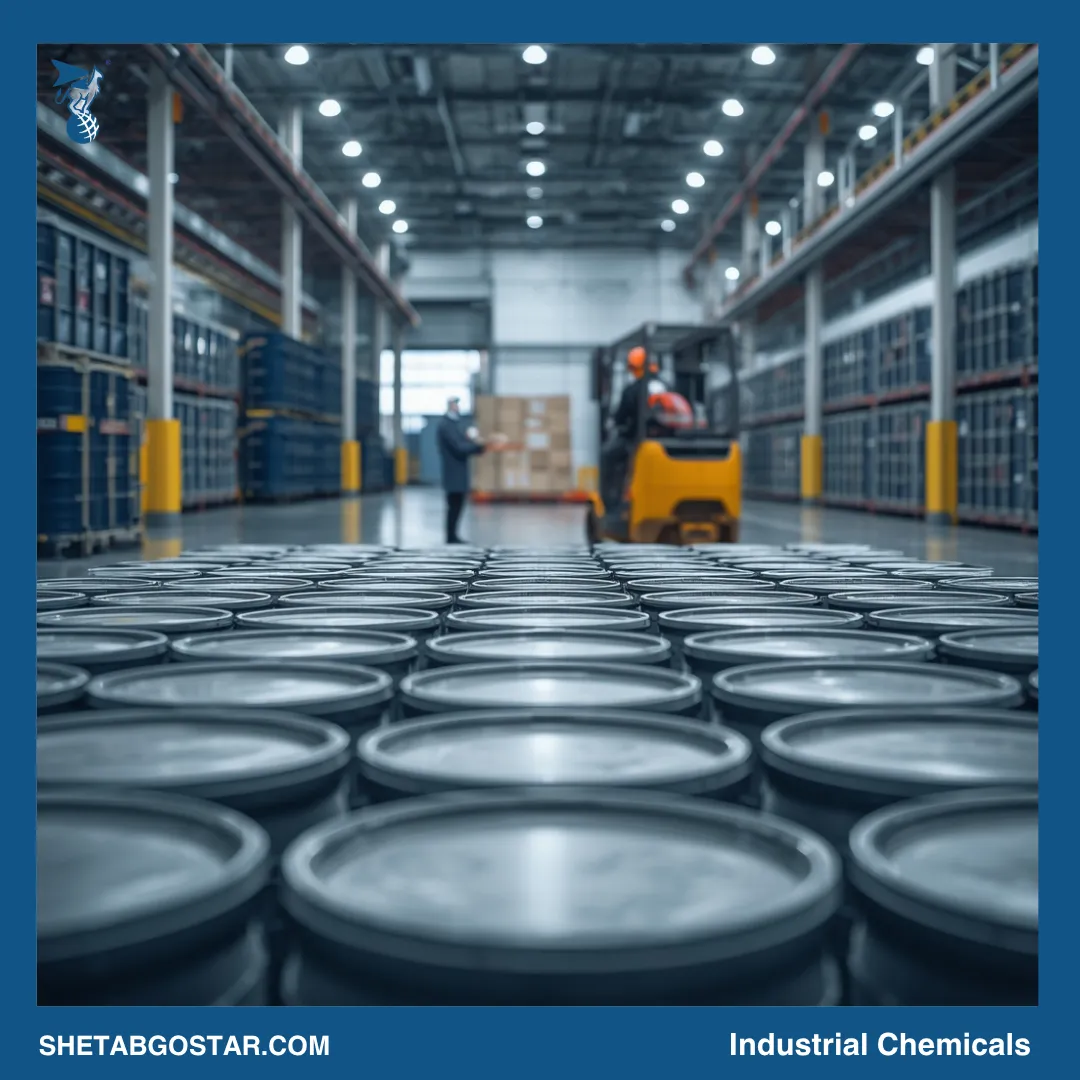
Bulk procurement involves purchasing large quantities of industrial ethanol or isopropyl alcohol directly from manufacturers, distributors, or international suppliers. This approach allows businesses to achieve better pricing, stable availability, and improved control over product specifications.
Industrial buyers typically evaluate:
- Product purity and technical specifications
- Supplier reliability and production capacity
- Packaging and transportation options
- Regulatory compliance
- Total landed cost
A successful industrial ethanol supply strategy considers both immediate demand and long-term business requirements.
Key Factors in Choosing an Industrial Ethanol and IPA Supplier
1. Verify Product Quality and Documentation
Quality verification is one of the most important steps in bulk alcohol procurement. Buyers should request essential documents, including:
- Certificate of Analysis (COA)
- Safety Data Sheet (SDS)
- Product specification sheets
- Compliance certificates
These documents confirm alcohol purity, chemical properties, and suitability for industrial applications.
For ethanol and isopropyl alcohol, maintaining consistent quality is especially important because variations in purity can affect production processes and final product performance.
2. Evaluate Supplier Production Capacity
A reliable supplier should have sufficient manufacturing capacity to support continuous bulk orders. Industrial buyers should consider:
- Monthly production volume
- Export experience
- Storage facilities
- Previous B2B supply projects
Working with suppliers that can handle large-scale orders reduces the risk of delays and production interruptions.
Cost Optimization Strategies for Bulk Alcohol Procurement
Long-Term Supply Agreements
Long-term contracts can help businesses secure stable pricing and predictable supply. These agreements often provide benefits such as :
Understanding the factors affecting ethanol pricing is essential for B2B buyers who want to negotiate better contracts and optimize bulk purchasing decisions.
- Better price negotiations
- Priority allocation during shortages
- Reduced procurement risks
However, contracts should include clear terms regarding delivery schedules, quality requirements, and price adjustment mechanisms.
Comparing Different Shipping and Packaging Options
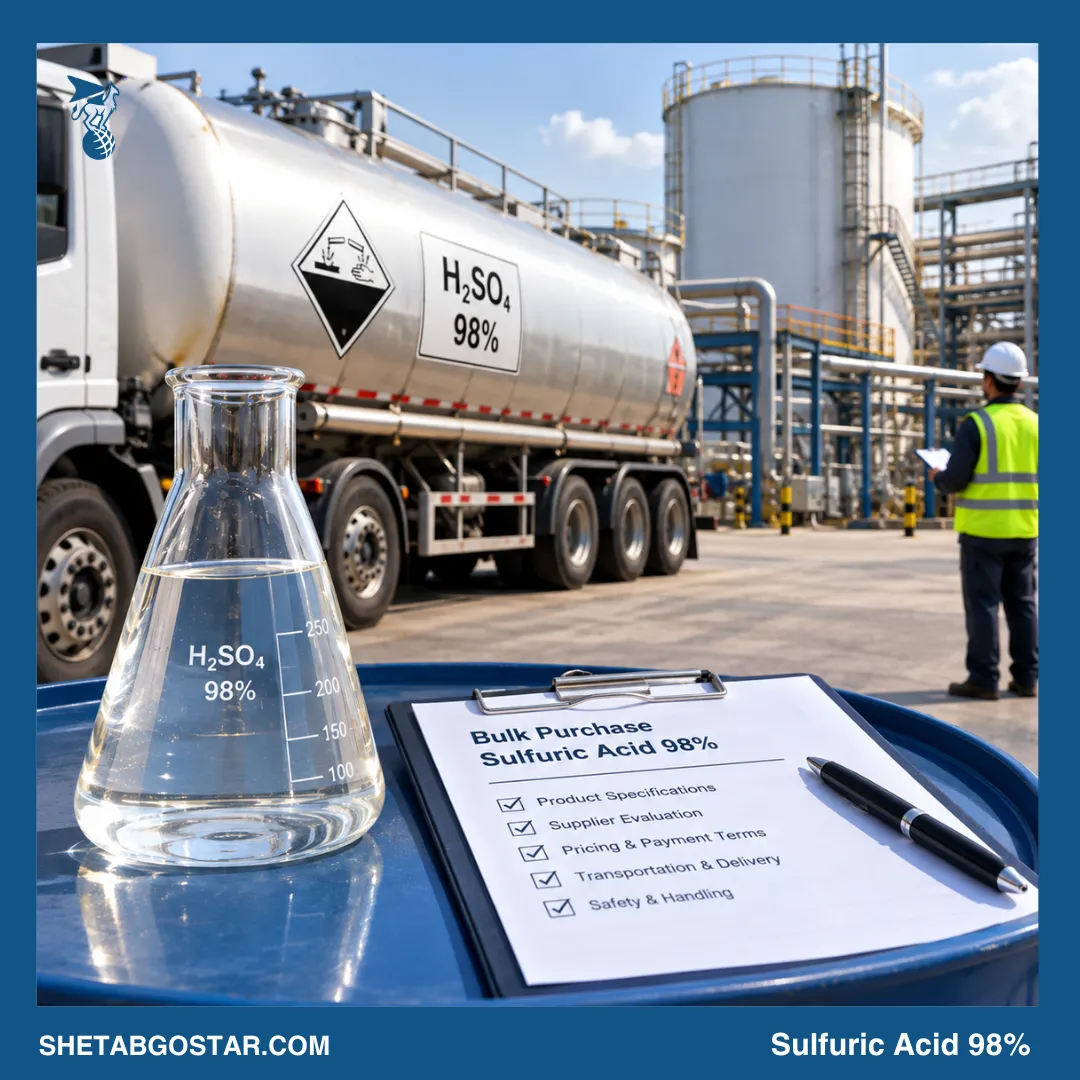
Transportation costs significantly influence bulk alcohol purchasing decisions. Buyers should compare different logistics solutions, including:
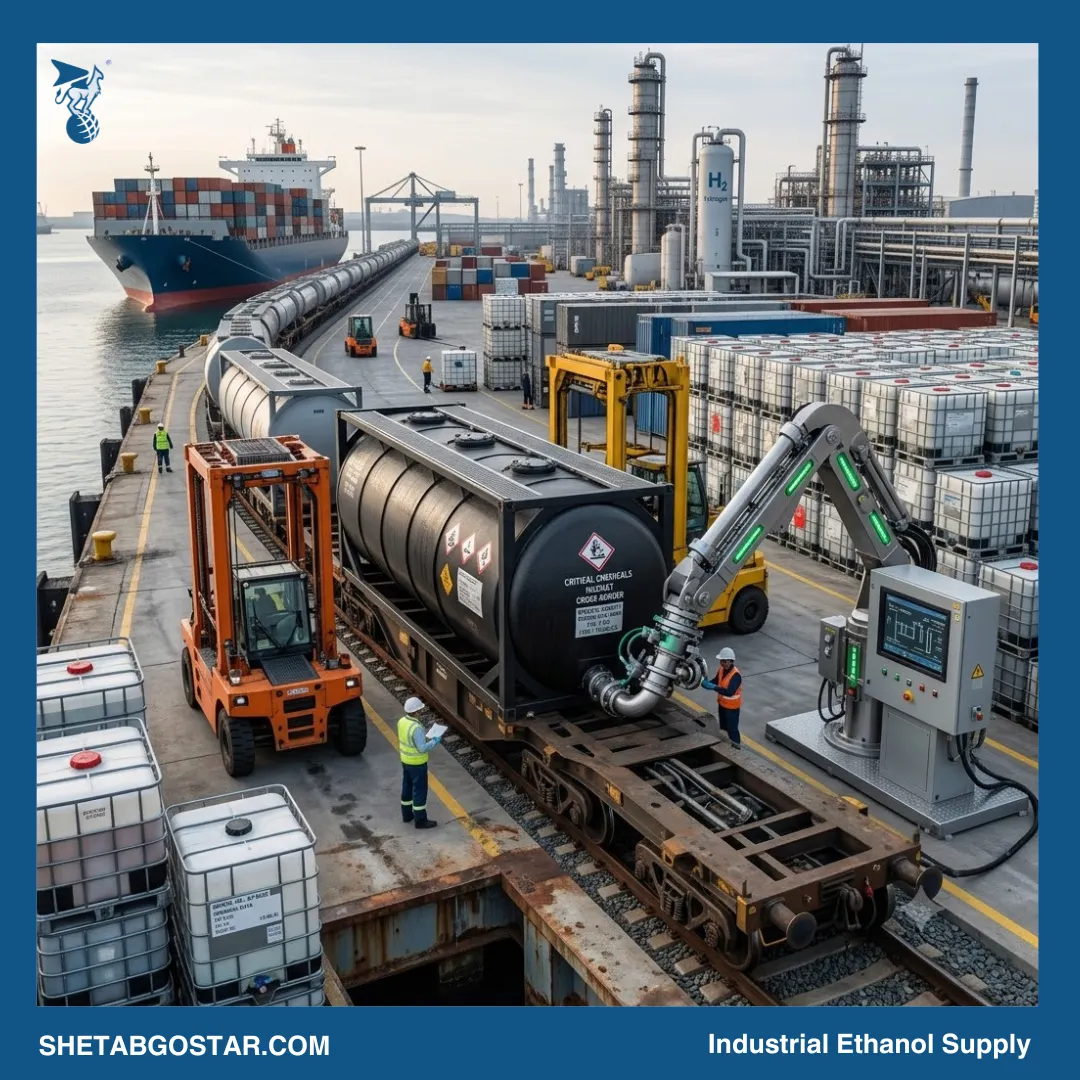
- ISO tanks for large-volume shipments
- IBC containers for medium-scale deliveries
- Drums for smaller industrial requirements
Choosing the right packaging method can reduce handling costs and improve transportation efficiency.
Managing Supply Chain Risks in Industrial Alcohol Procurement
Diversifying Suppliers
Relying on a single supplier can create risks caused by production issues, transportation delays, or market fluctuations.
A strong procurement strategy includes:
- Maintaining alternative supplier relationships
- Monitoring market conditions
- Creating backup inventory plans
Supplier diversification improves supply chain resilience and ensures continuous access to ethanol and IPA.
Monitoring Market Trends
Industrial alcohol markets can be affected by:
- Raw material availability
- Energy costs
- Transportation expenses
- Regional demand changes
Regular market analysis helps procurement teams make better purchasing decisions and avoid unexpected cost increases.
Regulatory Compliance in Bulk Ethanol and IPA Purchasing
International buyers must ensure that suppliers meet relevant safety and trade regulations. Important compliance areas include:
- Hazardous material transportation requirements
- Customs documentation
- Storage regulations
- Import and export requirements
Proper compliance management reduces delays and prevents legal or operational issues during international shipments.
The Role of Logistics in Industrial Alcohol Supply Chains
Efficient logistics planning is essential for successful bulk procurement. Companies should evaluate:
- Transportation routes
- Delivery timelines
- Container availability
- Storage conditions
Because ethanol and isopropyl alcohol are flammable liquids, proper handling and transportation procedures are necessary to maintain safety throughout the supply chain.
How Technology Improves Bulk Procurement Management
Digital procurement tools help companies improve visibility and control over their supply chains. Businesses can use technology for:
- Supplier performance tracking
- Inventory management
- Demand forecasting
- Purchase order automation
These solutions allow procurement teams to make faster and more accurate decisions.
Conclusion
Effective industrial ethanol supply management requires more than simply finding the lowest price. Successful B2B buyers focus on supplier reliability, product quality, logistics efficiency, compliance, and long-term partnerships.
By implementing strategic bulk procurement methods, companies can reduce supply risks, control costs, and maintain a stable supply of industrial ethanol and isopropyl alcohol for their operations.