How to Choose a Reliable Sulfuric Acid Supplier for Industrial Use
Choosing a reliable sulfuric acid supplier is essential for industrial companies that depend on consistent chemical quality, safe transportation, and uninterrupted production. Sulfuric acid is widely used in fertilizer manufacturing, metal processing, mining, water treatment, and chemical production. Therefore, selecting the right supplier can directly affect operational efficiency, product quality, and supply chain stability.
However, not every supplier offers the same level of product consistency, safety compliance, or logistical reliability. Industrial buyers should evaluate several factors before entering into a purchasing agreement. This guide explains how to assess a sulfuric acid supplier and make a well-informed procurement decision.
1. Evaluate Sulfuric Acid Quality and Purity
Product quality should be one of the first considerations when selecting a sulfuric acid supplier. Industrial applications often require specific acid concentrations and impurity limits to maintain process efficiency.
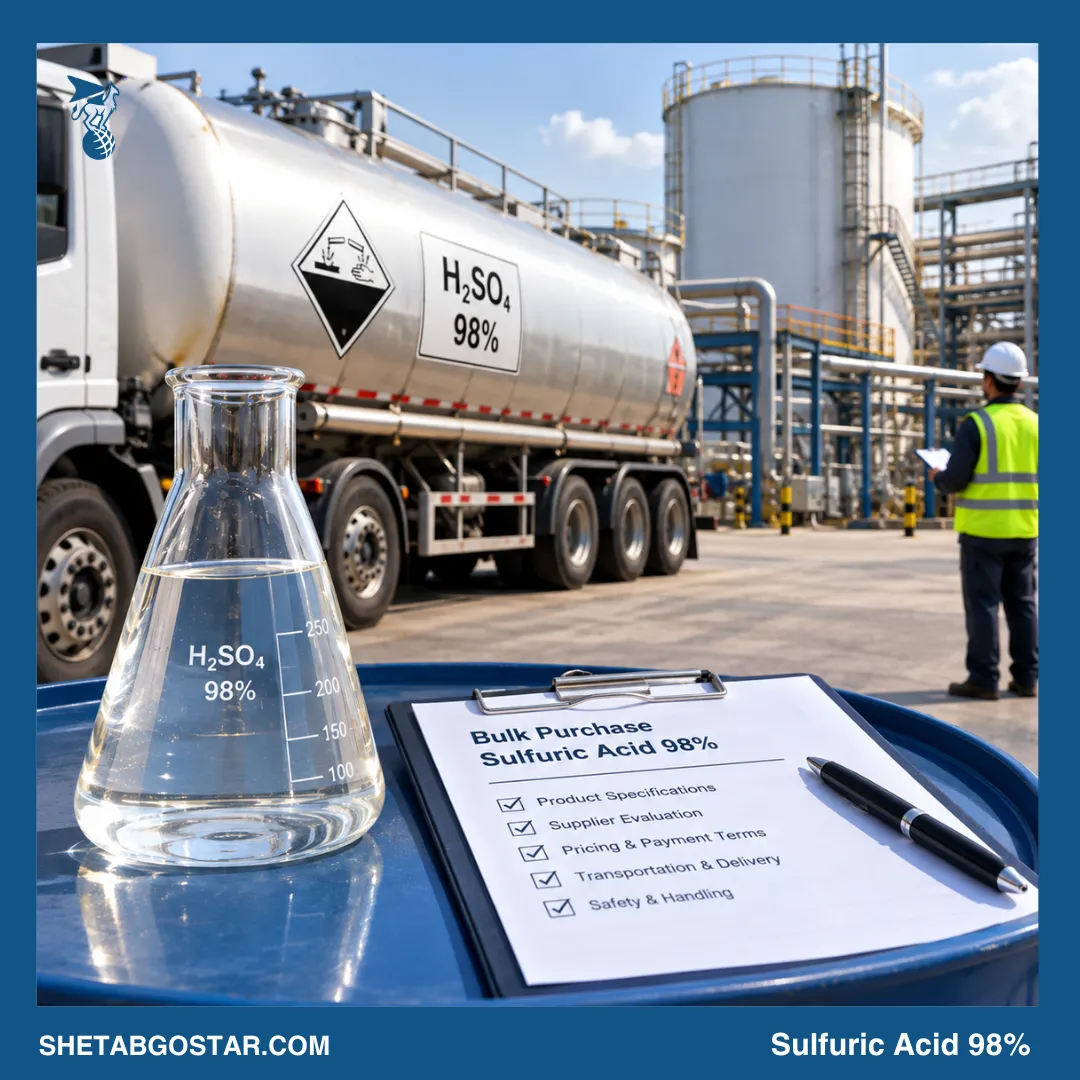
For example, 98% sulfuric acid is commonly used in fertilizer production, chemical manufacturing, and various industrial processes. However, the required concentration may vary depending on the application.
Before placing an order, buyers should verify the following quality parameters:
- Sulfuric acid concentration and purity
- Iron and other metallic impurities
- Appearance and physical characteristics
- Compliance with the buyer’s technical specifications
- Consistency between production batches
A reliable supplier should provide a Certificate of Analysis (COA) for each batch. This document allows buyers to verify whether the supplied product meets the agreed specifications.
For long-term procurement, consistent product quality is just as important as achieving the required purity in a single shipment.
2. Verify Certifications and Quality Control Procedures
A professional sulfuric acid supplier should maintain documented quality control procedures and demonstrate compliance with relevant industry requirements.
Buyers should review the supplier’s quality management system, product documentation, and applicable certifications. ISO 9001 certification, for example, can indicate that a company operates a structured quality management system. However, certification alone does not guarantee that every shipment meets the buyer’s requirements.
It is also important to understand how the supplier monitors product quality throughout manufacturing, storage, and loading.
Before signing a contract, industrial buyers should request:
- Relevant quality management certifications
- Product specifications and technical data sheets
- Safety Data Sheets (SDS)
- Batch-specific Certificates of Analysis
- Information about sampling and inspection procedures
These documents help buyers assess whether a supplier can meet their technical and regulatory requirements.
3. Assess Production Capacity and Supply Reliability
An attractive quotation is not enough if a supplier cannot deliver the required quantity on time.
Industrial facilities often consume sulfuric acid continuously. A delayed shipment or unexpected supply interruption can disrupt production schedules and increase operating costs.
For this reason, buyers should evaluate the supplier’s production capacity, available inventory, and ability to fulfill recurring orders.
Important questions include:
- Can the supplier meet monthly or quarterly demand?
- Does the company maintain sufficient production capacity?
- Can it handle urgent or additional orders?
- Does it have contingency plans for supply disruptions?
- Can it support long-term purchasing agreements?
A dependable sulfuric acid supplier should communicate realistic delivery schedules and clearly explain any limitations affecting supply availability.
4. Compare Pricing Beyond the Quoted Price
Price is an important factor in industrial chemical procurement, but the lowest quotation does not always represent the lowest total purchasing cost.
Sulfuric acid prices can vary depending on concentration, order volume, production costs, packaging, transportation, and market conditions.
Buyers should compare quotations using the same product specifications and delivery terms.
For example, a supplier offering a lower ex-works price may not provide the same overall value as a supplier offering a higher price that includes transportation to the destination.
When comparing offers, consider the following cost components:
- Base sulfuric acid price
- Packaging or bulk loading costs
- Inland transportation charges
- Freight and insurance costs
- Customs duties and applicable taxes
- Additional handling and inspection expenses
For international purchases, clearly defined Incoterms® help buyers understand which party is responsible for transportation, costs, and risks at different stages of delivery.
A complete cost comparison helps industrial buyers avoid unexpected expenses and evaluate supplier quotations more accurately.
5. Check Packaging, Transportation, and Safety Standards
Sulfuric acid is a highly corrosive chemical. Improper packaging, unsuitable transportation equipment, or inadequate handling procedures can create serious safety and environmental risks.
Therefore, a reliable sulfuric acid supplier should demonstrate appropriate chemical handling practices throughout the delivery process.
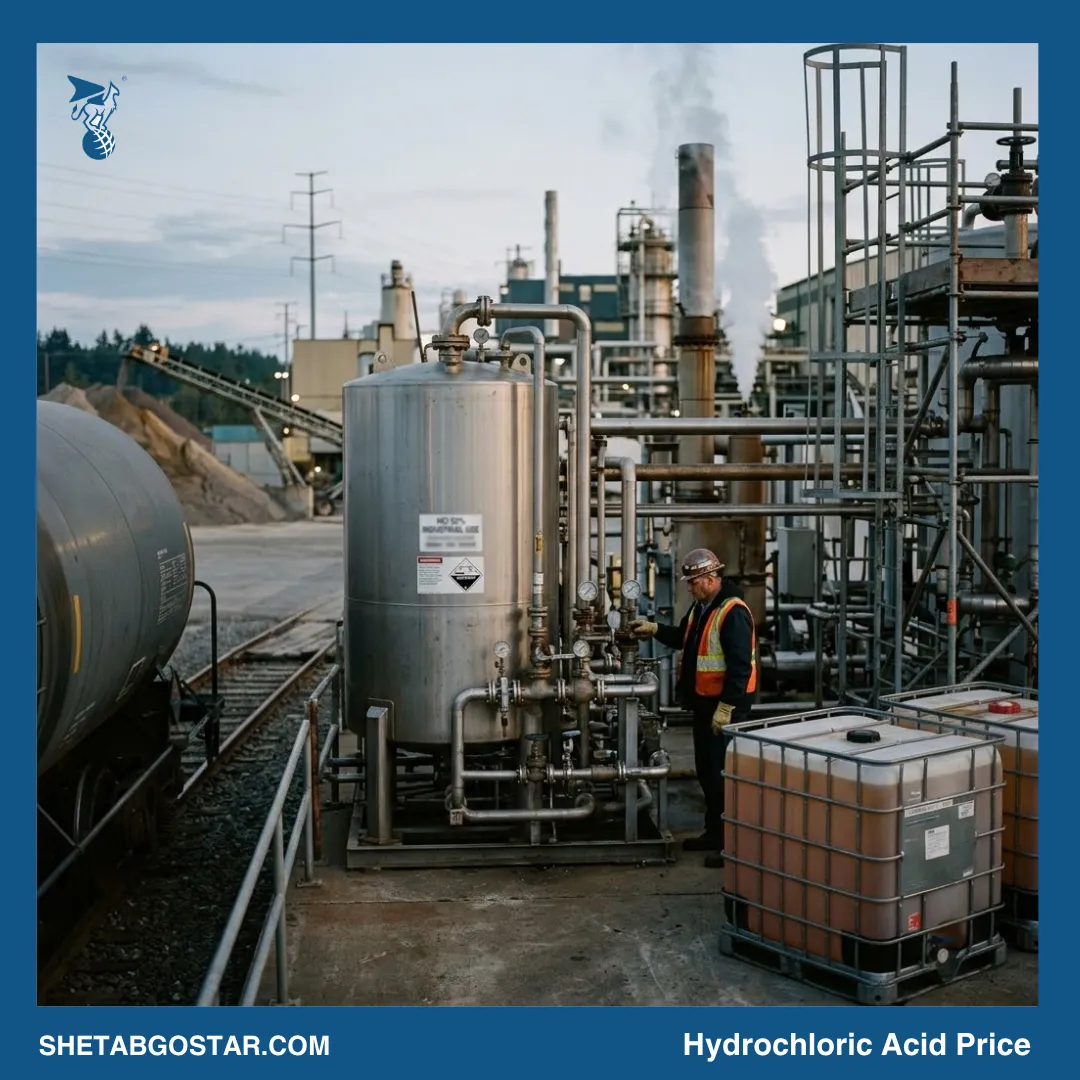
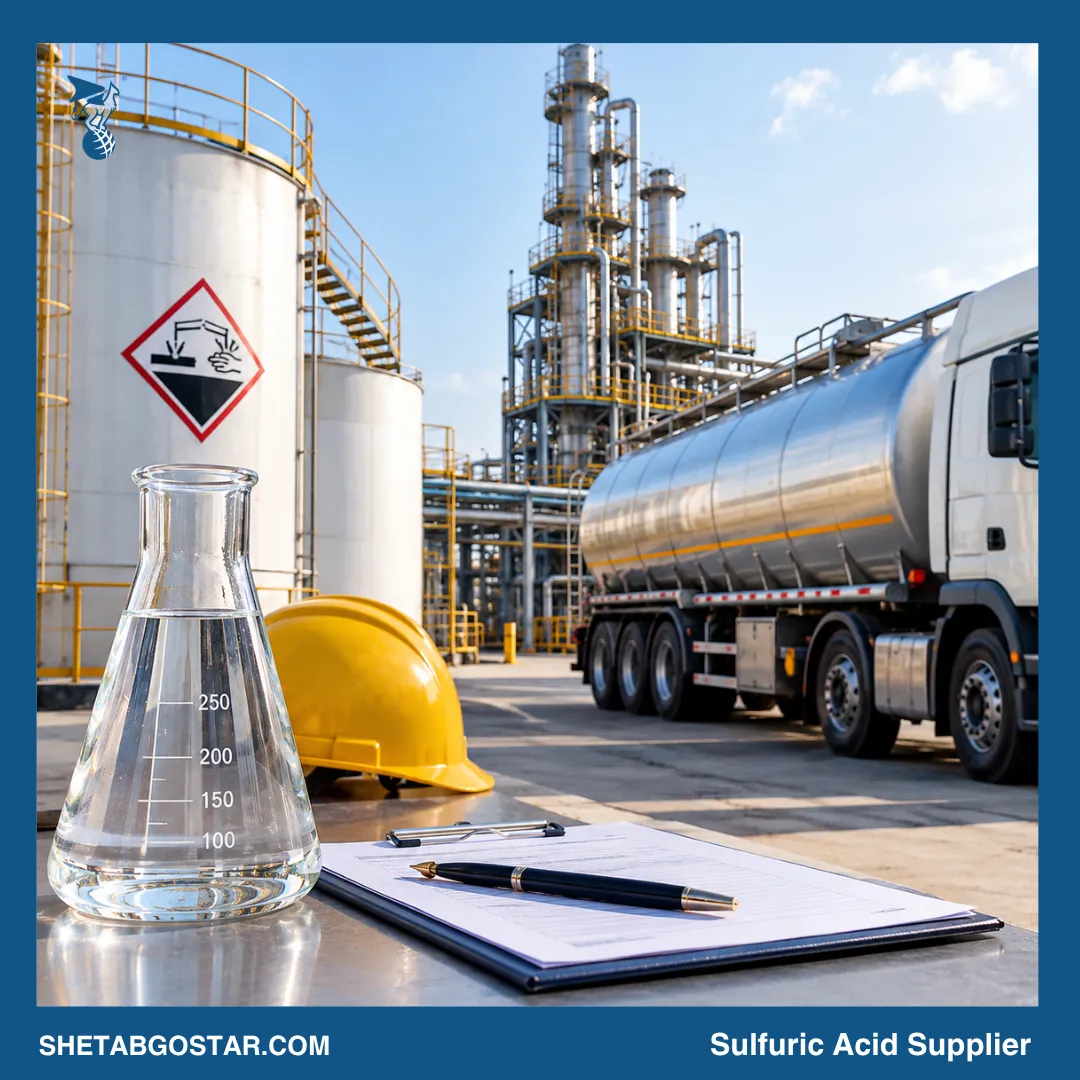
Depending on the order volume and destination, sulfuric acid may be transported in approved bulk tankers, ISO tanks, or compatible chemical containers.
Buyers should verify that the proposed packaging and transportation methods are suitable for the acid concentration and comply with applicable regulations.
Key considerations include:
- Compatibility of tanks and packaging materials
- Proper labeling and hazard identification
- Compliance with applicable dangerous goods transportation regulations
- Availability of emergency response procedures
- Safe loading, unloading, and handling practices
For international shipments, buyers should also confirm that the supplier can provide the required transport documents and safety information.
A supplier with established logistics procedures can help reduce transportation risks and improve delivery reliability.
6. Review Export Experience and Documentation
For companies purchasing sulfuric acid internationally, export experience is another important selection criterion.
Chemical exports involve more than preparing the product and arranging transportation. Suppliers must also coordinate documentation, customs procedures, shipment schedules, and destination-specific requirements.
An experienced exporter should understand the documentation and logistical requirements associated with the intended trade route.
Depending on the transaction, relevant documents may include:
- Commercial invoice
- Packing list, where applicable
- Certificate of Analysis
- Safety Data Sheet
- Certificate of Origin, when required
- Bill of Lading or other applicable transport documents
Buyers should confirm documentation requirements before shipment to reduce the risk of customs delays or administrative problems.
A supplier familiar with international chemical trade can help streamline procurement and improve coordination between buyers, logistics providers, and customs authorities.
7. Evaluate Communication and Technical Support
Effective communication is often overlooked when comparing industrial chemical suppliers. However, responsive communication can make a significant difference when managing large orders, technical requirements, and delivery schedules.
A reliable sulfuric acid supplier should provide clear information about product specifications, availability, pricing, and shipment timelines.
The supplier should also respond promptly to technical questions and communicate any changes that may affect an order.
Before establishing a long-term business relationship, buyers should evaluate:
- Response time to inquiries
- Accuracy of quotations
- Clarity of contractual terms
- Availability of technical documentation
- Ability to resolve quality or delivery issues
Clear communication helps prevent misunderstandings and supports a more predictable procurement process.
8. Request Samples and Conduct Supplier Verification
Before committing to a large-volume purchase, industrial buyers may benefit from additional supplier verification.
Depending on the application and commercial arrangement, this process may include reviewing product samples, checking documentation, conducting independent laboratory testing, or arranging a facility inspection.
Independent testing can help verify whether the product meets the buyer’s technical specifications. However, sampling and testing should follow appropriate procedures because sulfuric acid is hazardous and requires specialized handling.
Buyers should also verify the supplier’s business credentials, operating history, and references where available.
For recurring purchases, a structured supplier qualification process can reduce uncertainty and support more consistent procurement decisions.
9. Establish Clear Contractual Terms
A well-defined purchasing agreement helps protect both parties and reduces the likelihood of commercial disputes.
For long-term procurement, understanding the key elements of a sulfuric acid supply contract can help industrial buyers establish clear quality requirements, delivery schedules, and supplier responsibilities.
Before placing an order, buyers should ensure that the contract clearly identifies the product, quantity, quality requirements, delivery terms, and payment conditions.
Important contractual elements include:
- Sulfuric acid concentration and agreed specifications
- Order quantity and acceptable tolerances
- Price and payment terms
- Delivery schedule and Incoterms®
- Inspection and quality acceptance procedures
- Responsibilities in case of delays or nonconforming products
- Procedures for claims and dispute resolution
For long-term supply agreements, buyers should also clarify how price adjustments, changes in demand, and unexpected supply disruptions will be managed.
Clear contractual terms establish expectations and provide a practical framework for maintaining a stable supplier relationship.
Conclusion: Building a Reliable Sulfuric Acid Supply Chain
Choosing a reliable sulfuric acid supplier requires more than comparing prices. Industrial buyers should evaluate product quality, certifications, production capacity, logistics, safety procedures, export experience, and contractual transparency.
A supplier that consistently meets technical specifications, communicates clearly, and delivers according to agreed terms can help businesses reduce procurement risks and maintain operational continuity.
By applying a structured supplier evaluation process, industrial companies can make more informed purchasing decisions and establish long-term partnerships that support their production requirements.
Partner with a Reliable Sulfuric Acid Supplier
Looking for a dependable source of industrial sulfuric acid?
Iran Acid supplies industrial sulfuric acid for domestic and international markets, supporting businesses with product specifications, bulk supply solutions, and export coordination.
Contact Iran Acid to discuss your sulfuric acid requirements, request a quotation, and explore a supply solution tailored to your industrial application.