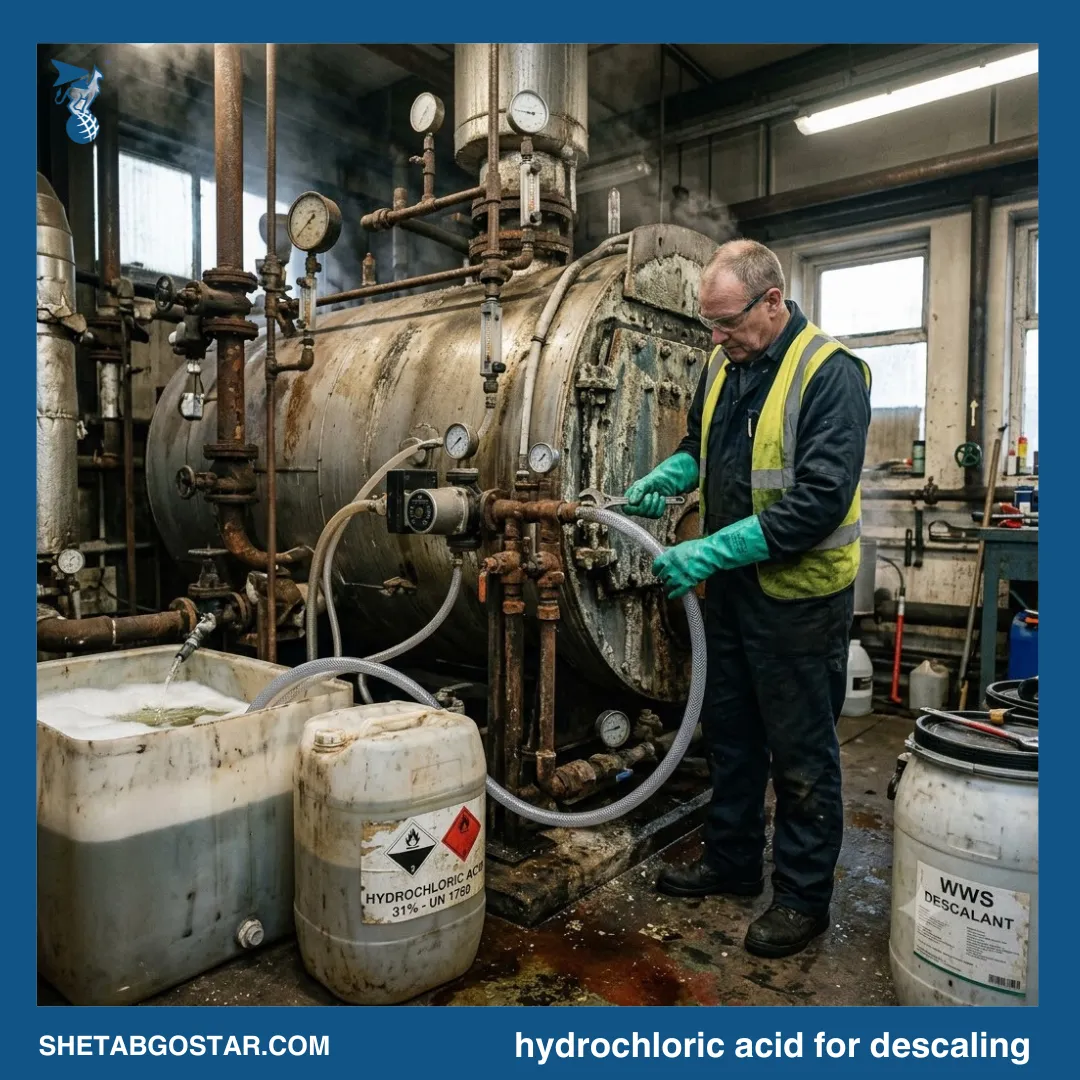
How Hydrochloric Acid is Used for Boiler Descaling and Water Treatment
Hydrochloric acid for descaling is one of the most effective solutions for removing mineral scale from industrial boilers and water treatment systems. Over time, calcium carbonate, rust, and other deposits reduce heat transfer efficiency, increase energy consumption, and shorten equipment lifespan. Using hydrochloric acid helps restore system performance, improve operational efficiency, and reduce maintenance costs across various industries.
Why Boiler Scale Forms
Boiler feedwater naturally contains dissolved minerals. During continuous heating, these minerals precipitate and form hard scale layers on metal surfaces.
Common scale deposits include:
- Calcium carbonate (CaCO₃)
- Magnesium carbonate
- Iron oxide (rust)
- Calcium phosphate
- Silica deposits
Even a thin layer of scale can significantly reduce heat transfer, forcing boilers to consume more energy while increasing maintenance costs.
What is Hydrochloric Acid for Descaling?
Hydrochloric acid for descaling is a specially formulated cleaning solution, typically containing inhibited hydrochloric acid that safely dissolves mineral deposits without causing excessive corrosion to steel equipment.
Industrial descaling formulations often include:
- Corrosion inhibitors
- Wetting agents
- Penetrating additives
- Anti-foam chemicals
These additives allow effective cleaning while protecting the metal surfaces of boilers and piping systems.
How Hydrochloric Acid Removes Boiler Scale
Hydrochloric acid reacts with calcium carbonate deposits through a simple chemical reaction:
CaCO₃ + 2HCl → CaCl₂ + CO₂ + H₂O
This reaction converts hard mineral deposits into soluble calcium chloride while releasing carbon dioxide gas, making the scale easy to flush from the system.
Similarly, hydrochloric acid dissolves:
- Iron oxide deposits
- Magnesium compounds
- Rust accumulation
- Carbonate scales
As a result, boiler tubes regain their original heat transfer capability.
Benefits of Using Hydrochloric Acid for Descaling
Industrial facilities choose hydrochloric acid for descaling because it offers several operational advantages.
Fast Scale Removal
Hydrochloric acid reacts rapidly with carbonate-based scales, significantly reducing cleaning time.
Improved Heat Transfer
Removing scale allows heat to move efficiently through boiler tubes, reducing fuel consumption.
Lower Energy Costs
Clean heat exchanger surfaces require less energy to produce the same steam output.
Extended Equipment Life
Regular descaling minimizes overheating, metal fatigue, and premature equipment failure.
Reduced Maintenance Downtime
Chemical cleaning can often be completed much faster than mechanical cleaning methods.
Applications Beyond Boiler Cleaning
Hydrochloric acid is also widely used throughout industrial water treatment systems.
Typical applications include:
- Cooling tower cleaning
- Heat exchanger descaling
- Condenser cleaning
- Water pipeline maintenance
- Reverse osmosis membrane pre-cleaning
- Industrial circulation systems
These applications help maintain efficient water flow and minimize equipment fouling.
Role in Industrial Water Treatment
Water treatment systems require periodic cleaning to maintain optimal performance.
Hydrochloric acid assists by:
- Removing mineral scaling
- Cleaning distribution pipelines
- Restoring water flow
- Improving filtration efficiency
- Preparing systems for chemical disinfection
When combined with proper water softening programs, descaling intervals can be significantly extended.
Safety Considerations
Although hydrochloric acid for descaling is highly effective, it must always be handled with appropriate safety measures.
Recommended precautions include:
- Wear acid-resistant gloves and protective clothing.
- Use chemical goggles and face shields.
- Ensure proper ventilation.
- Never mix hydrochloric acid with bleach or oxidizing chemicals.
- Always add acid to water when preparing solutions.
- Neutralize spent acid before disposal according to local regulations.
Industrial cleaning should always follow manufacturer recommendations and environmental regulations.
Choosing the Right Hydrochloric Acid Concentration
Different descaling applications require different acid concentrations.
General guidelines include:
| Application | Typical HCl Concentration |
|---|---|
| Light scale removal | 5–10% |
| Moderate industrial scaling | 10–15% |
| Heavy boiler scale | 15–20% (with inhibitors) |
Using corrosion inhibitors is strongly recommended, especially for carbon steel systems.
Best Practices for Boiler Descaling
For maximum cleaning efficiency:
- Inspect the boiler before cleaning.
- Drain the system completely.
- Prepare inhibited hydrochloric acid solution.
- Circulate the solution throughout the system.
- Monitor reaction progress.
- Flush thoroughly with clean water.
- Neutralize residual acidity.
- Refill with properly treated feedwater.
Routine maintenance helps prevent severe scale buildup and reduces long-term operating costs.
Environmental Considerations
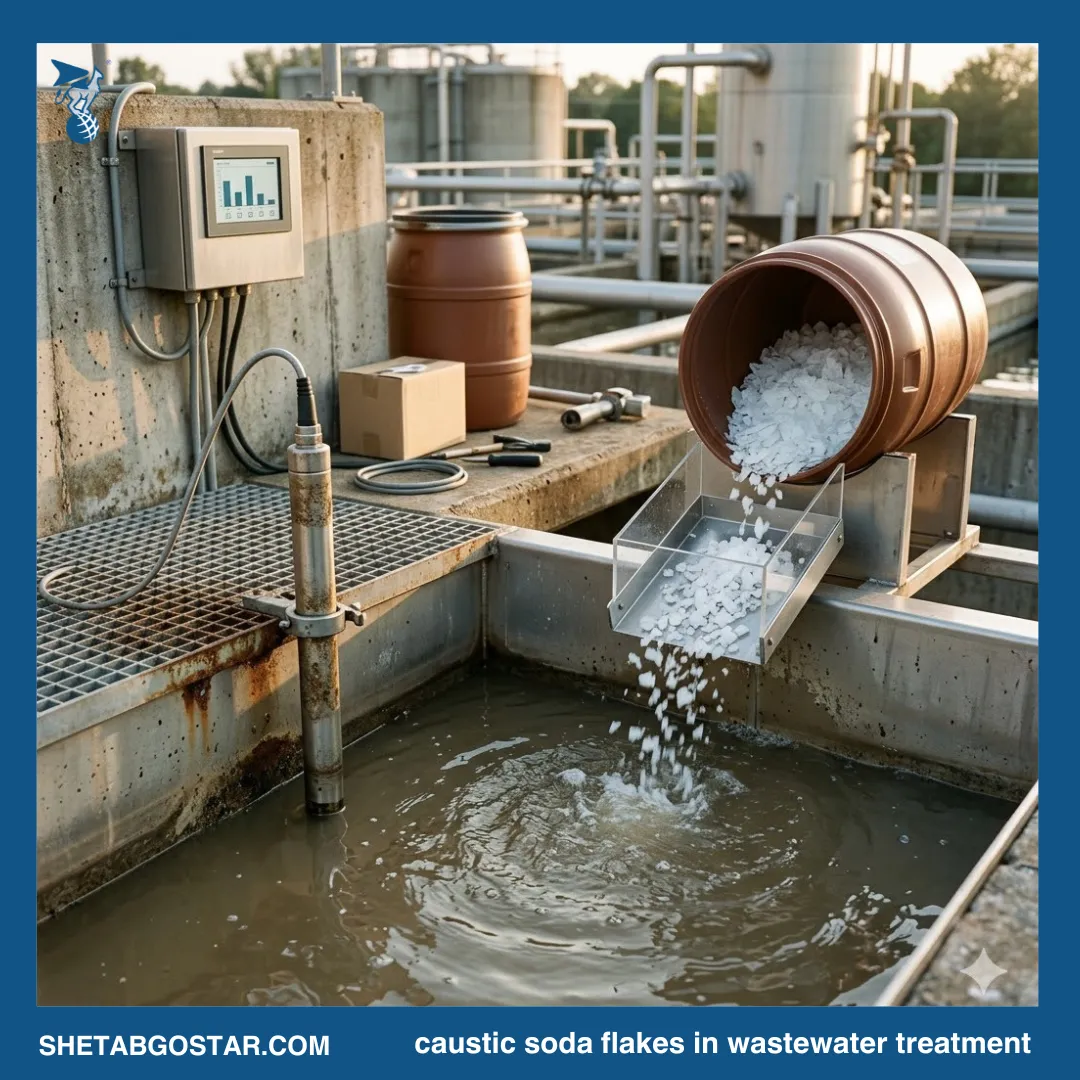
Spent hydrochloric acid solutions should never be discharged directly into the environment. Industrial facilities typically neutralize the acid using alkaline chemicals before disposal.
Proper wastewater treatment minimizes environmental impact while ensuring compliance with local regulations.
Conclusion
Using hydrochloric acid for descaling remains one of the most efficient methods for removing mineral deposits from industrial boilers and water treatment systems. Its rapid reaction with carbonate scales restores heat transfer efficiency, lowers energy consumption, extends equipment lifespan, and reduces maintenance costs. When combined with corrosion inhibitors, proper operating procedures, and routine preventive maintenance, hydrochloric acid provides a reliable and cost-effective solution for keeping industrial systems operating at peak performance.