Selecting the Right Caustic Soda Grade for Industrial Manufacturing
Selecting the right caustic soda grade for industrial manufacturing is a critical decision that affects product quality, process efficiency, equipment lifespan, and operating costs. Although sodium hydroxide (NaOH) is widely used across numerous industries, not every grade is suitable for every application. Understanding the differences between industrial, technical, and food-grade caustic soda helps manufacturers achieve consistent production while meeting quality and regulatory requirements.
This guide explains the key factors to consider when selecting the most appropriate caustic soda grade for your manufacturing process.
Why Caustic Soda Grade Matters
Caustic soda is available in different purity levels and specifications. The presence of impurities such as sodium chloride, sodium carbonate, iron, or heavy metals can significantly impact sensitive industrial processes.
Using an unsuitable grade may result in:
- Reduced product quality
- Equipment corrosion or scaling
- Increased maintenance costs
- Lower process efficiency
- Regulatory compliance issues
Selecting the proper grade ensures reliable performance while avoiding unnecessary expenses.
Common Caustic Soda Grades
Industrial Grade
Industrial-grade caustic soda is designed for general manufacturing applications where ultra-high purity is not essential.
Typical applications include:
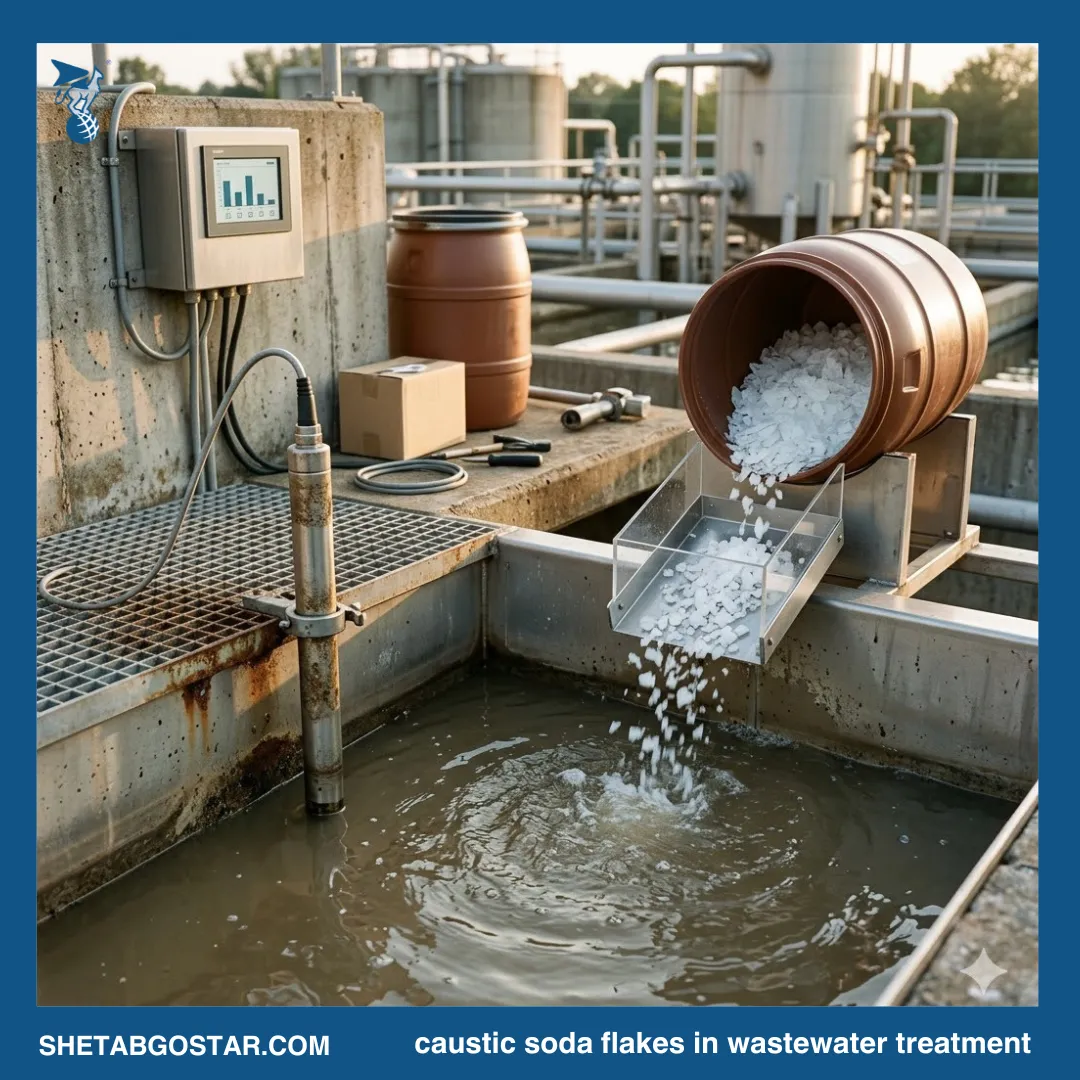
- Water treatment
- Textile processing
- Mining
- Pulp and paper production
- Chemical manufacturing
- Petroleum refining
This grade offers an excellent balance between performance and cost.
Technical Grade
Technical-grade caustic soda provides tighter impurity specifications than standard industrial grade and is commonly used in processes requiring more consistent chemical quality.
Industries include:
- Surface treatment
- Electronics manufacturing
- Industrial cleaning
- Specialty chemical production
Food Grade
Food-grade caustic soda is manufactured under strict quality controls and complies with food safety regulations.Manufacturers can also review the FDA regulations for sodium hydroxide to better understand approved food-processing applications and regulatory requirements.
Typical applications include:
- Food processing
- Beverage production
- Edible oil refining
- Sugar refining
- Cleaning food-processing equipment
Manufacturers in regulated industries should always verify certification before purchasing.
Flakes vs. Liquid Caustic Soda
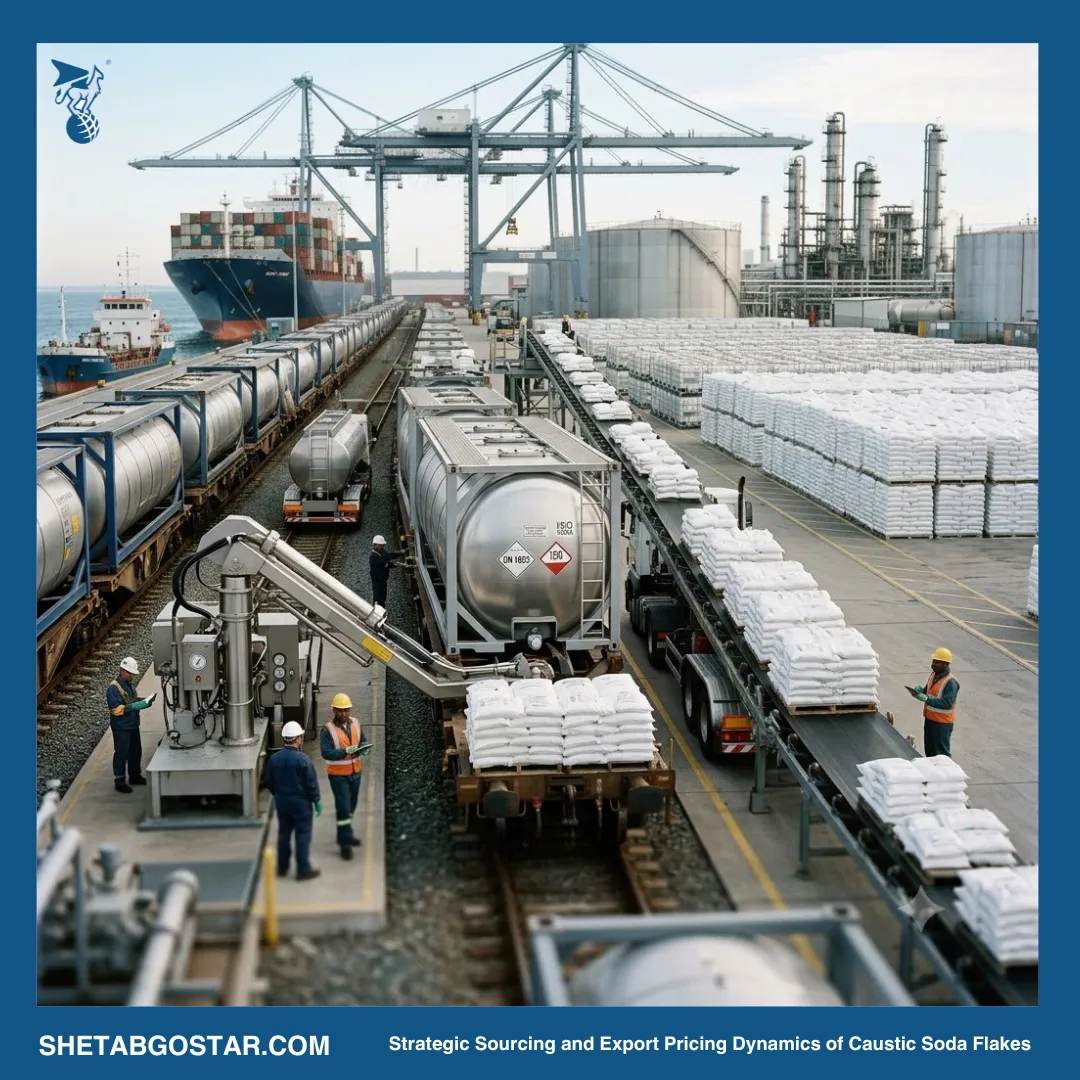
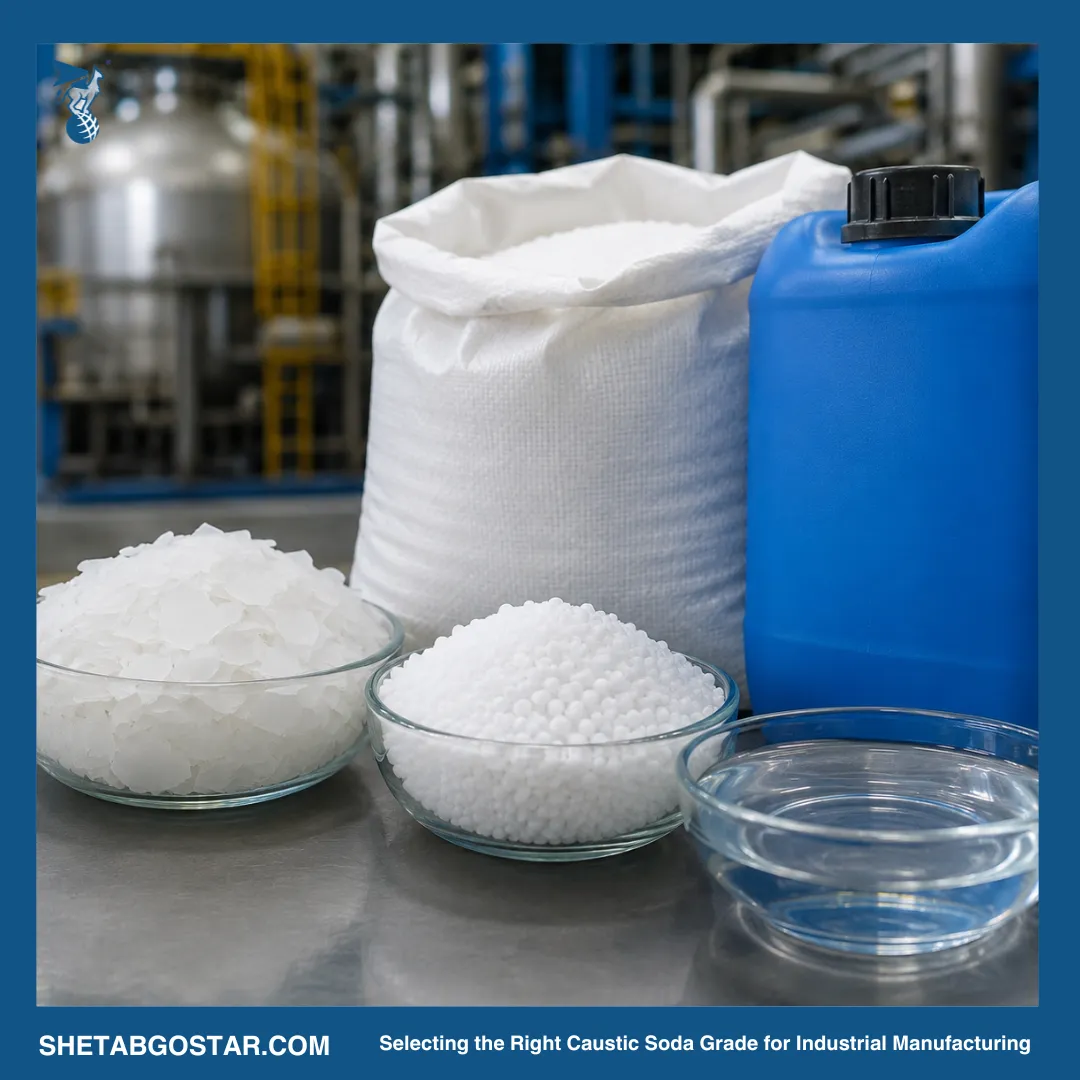
Choosing the right physical form is as important as selecting the correct grade. Manufacturers should understand the differences between caustic soda flakes and liquid caustic soda before making a purchasing decision.
Caustic Soda Flakes
Advantages include:
- Long shelf life
- Easier international shipping
- Lower transportation weight
- Convenient storage
- Suitable for preparing custom concentrations
Liquid Caustic Soda
Advantages include:
- Ready for immediate use
- No dissolving required
- Ideal for continuous production systems
- Reduced dust exposure
However, liquid caustic soda generally requires specialized storage tanks and is more expensive to transport due to its water content.
Factors to Consider Before Purchasing
Required Purity
Determine the maximum allowable impurity levels for your production process
Sensitive industries such as pharmaceuticals, electronics, and food manufacturing require higher-purity materials than general industrial operations.
Concentration Requirements
Consider whether your process benefits from:
- Solid flakes
- Solid pearls
- 32% solution
- 50% solution
The required concentration influences storage, handling, and overall operating costs.
Compatibility with Equipment
Highly concentrated caustic soda can react with certain materials.
Before purchasing, ensure compatibility with:
- Storage tanks
- Pumps
- Valves
- Pipelines
- Seals
Selecting compatible construction materials helps minimize corrosion and extends equipment life.
Supply Reliability
Reliable suppliers provide:
- Consistent purity
- Stable packaging quality
- Certificates of Analysis (COA)
- Safety Data Sheets (SDS)
- On-time deliveries
Consistent quality is often more valuable than obtaining the lowest purchase price.
Packaging Options
Industrial buyers should choose packaging based on consumption volume.
Common packaging includes:
- 25 kg bags
- 500 kg jumbo bags
- 1,000 kg bulk bags
- Bulk tanker delivery for liquid caustic soda
Proper packaging reduces contamination risks and simplifies storage.
Industry-Specific Recommendations
| Industry | Recommended Grade |
|---|---|
| Water Treatment | Industrial Grade |
| Pulp & Paper | Industrial Grade |
| Textile Manufacturing | Industrial or Technical Grade |
| Chemical Manufacturing | Technical Grade |
| Food Processing | Food Grade |
| Pharmaceuticals | High Purity/Food Grade |
| Electronics | Technical or High Purity Grade |
Cost vs. Performance
Purchasing the highest-purity caustic soda is not always the most economical option.
Manufacturers should evaluate:
- Product quality requirements
- Process sensitivity
- Equipment compatibility
- Waste treatment costs
- Long-term maintenance expenses
Selecting the appropriate grade rather than the highest grade often delivers the best total cost of ownership.
Best Practices for Procurement
To ensure reliable performance:
- Define your required purity specifications before requesting quotations.
- Ask suppliers for a recent Certificate of Analysis (COA).
- Verify compliance with relevant industry standards.
- Confirm packaging and transportation conditions.
- Review supplier quality consistency rather than focusing solely on price.
A structured procurement process reduces production risks and helps maintain consistent manufacturing quality.
Conclusion
Selecting the right caustic soda grade for industrial manufacturing involves more than comparing prices. Purity, concentration, packaging, equipment compatibility, and supplier reliability all play essential roles in achieving efficient and cost-effective operations.
By matching the appropriate caustic soda grade to your specific industrial application, manufacturers can improve product quality, reduce maintenance costs, enhance operational safety, and maximize long-term production efficiency.