Cross-Border Hazmat Logistics and Freight Cost Optimization for Hydrochloric Acid Exports
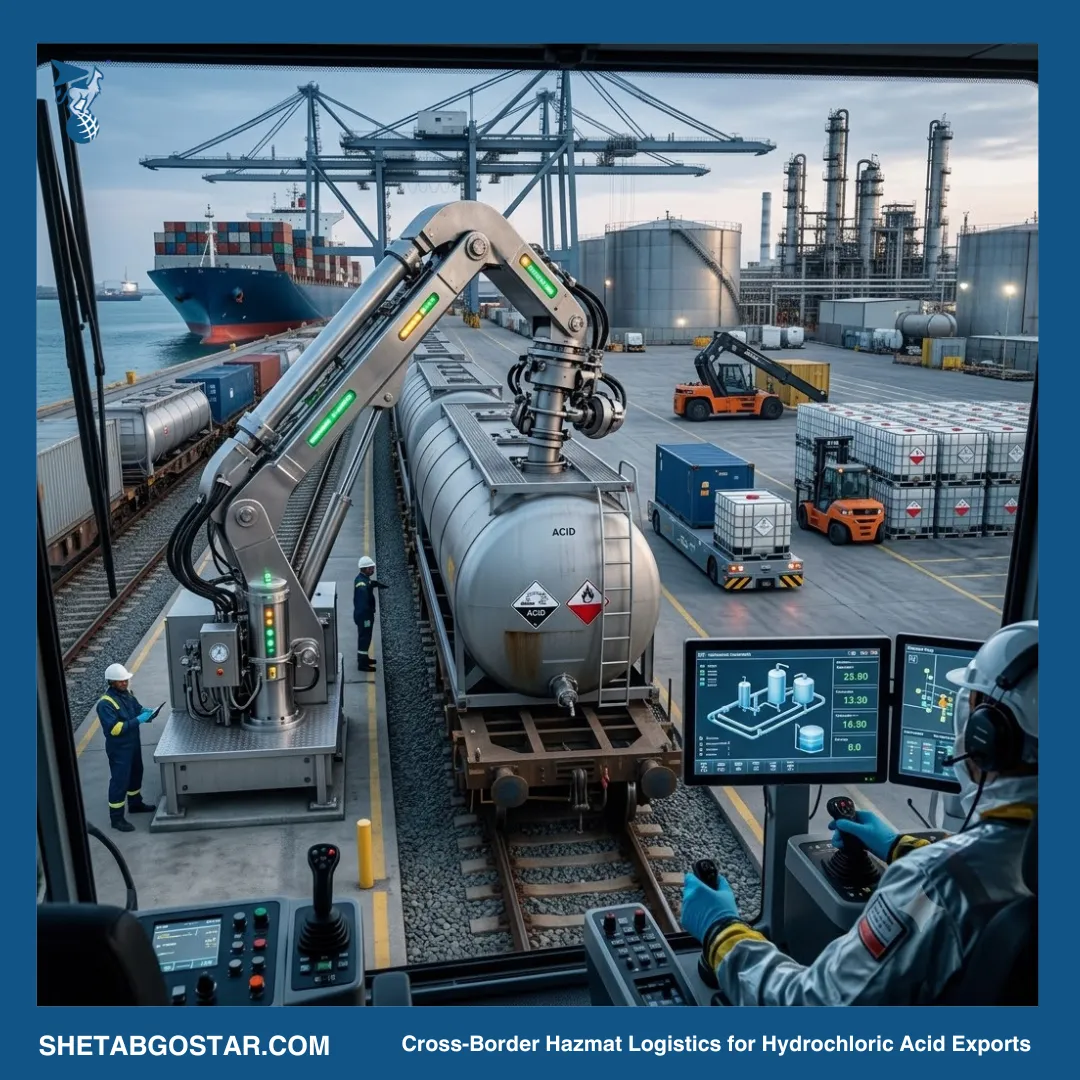
Cross-Border Hazmat Logistics for Hydrochloric Acid Exports plays a critical role in ensuring safe, compliant, and cost-effective international chemical transportation. Hydrochloric acid (HCl) is classified as a corrosive hazardous material, which means exporters must carefully manage packaging, documentation, transportation routes, and regulatory requirements to avoid delays and unexpected costs.
For chemical suppliers and industrial buyers, optimizing freight costs is not only about selecting the cheapest transportation option. It requires balancing safety standards, delivery reliability, compliance requirements, and overall supply chain efficiency.
Understanding Hazmat Logistics for Hydrochloric Acid Exports
Hazmat logistics refers to the specialized management of hazardous materials during storage, handling, and transportation. Hydrochloric acid exports require strict procedures because improper handling can result in corrosion damage, environmental risks, and regulatory penalties.
International shipments of hydrochloric acid typically involve:
- Proper classification of the chemical cargo
- Approved packaging and labeling systems
- Specialized transportation equipment
- Accurate export documentation
- Compliance with international hazardous material regulations
Hydrochloric acid shipments are commonly transported under hazardous material classifications such as UN 1789 Hydrochloric Acid, Class 8 Corrosive Material, requiring appropriate safety measures during transportation.
Key Challenges in Cross-Border Hydrochloric Acid Transportation
1. Regulatory Compliance Across Different Countries
One of the biggest challenges in hydrochloric acid exports is managing different regulations between exporting and importing countries.
Exporters must consider:
- Dangerous goods transportation regulations
- Customs requirements
- Import permits
- Safety data sheet (SDS) requirements
- Hazard labels and documentation standards
For example, regulations regarding hazardous chemical transportation may differ between regions, requiring exporters to verify destination-country requirements before shipment.
Failure to provide accurate documentation can lead to:
- Customs delays
- Additional inspection costs
- Shipment rejection
- Contract penalties
2. Selecting the Right Transportation Mode
Choosing the correct freight method has a major impact on both safety and cost efficiency.
Bulk Tanker Transportation
Bulk tankers are suitable for large-volume hydrochloric acid shipments because they reduce packaging costs and improve transportation efficiency.
Advantages:
- Lower cost per ton for large quantities
- Reduced handling operations
- Suitable for regular industrial supply contracts
However, they require specialized equipment and strict safety controls.
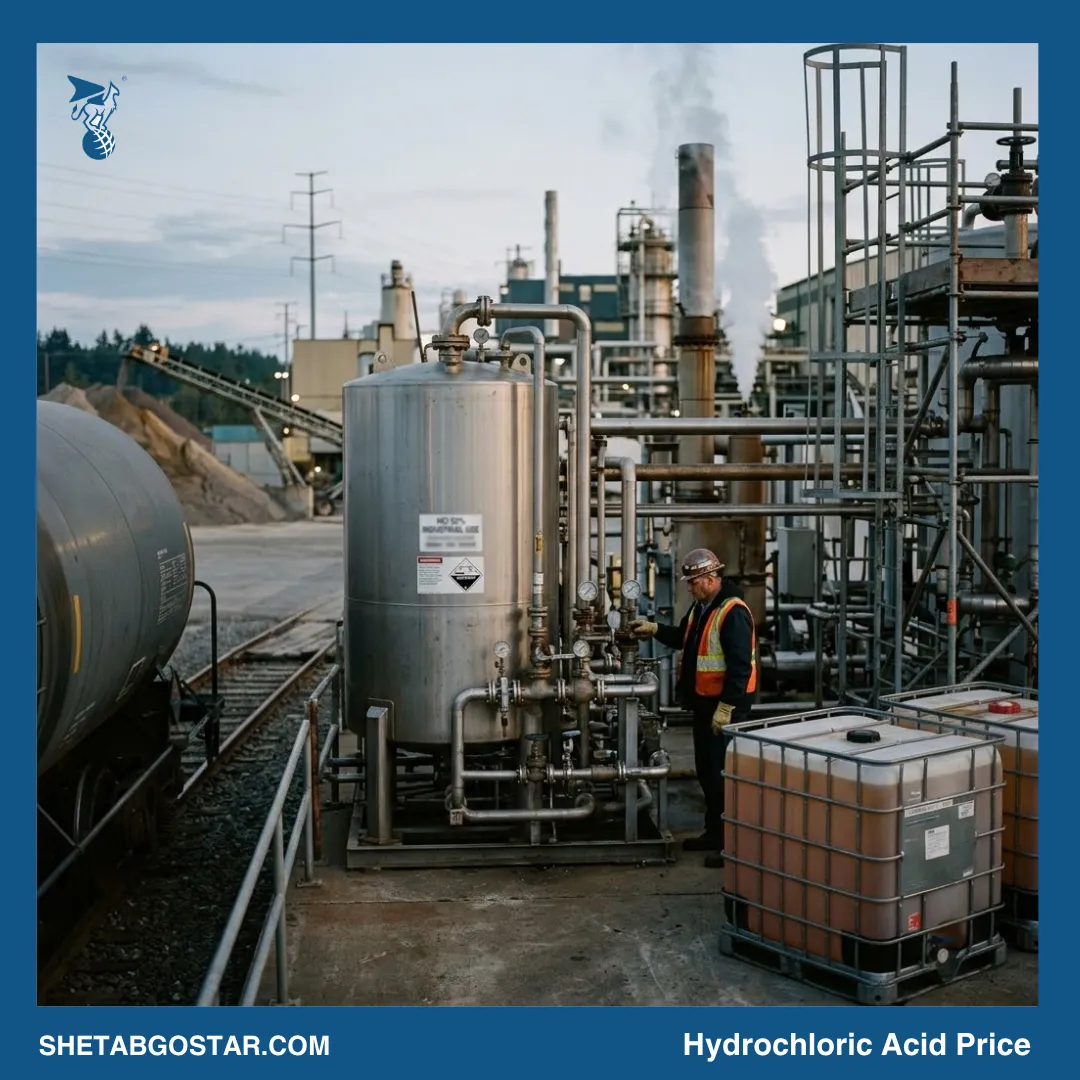
IBC Containers
Intermediate Bulk Containers (IBCs) are often used for medium-volume shipments.
Advantages:
- Flexible shipment sizes
- Easier handling
- Suitable for multiple destinations
The disadvantage is that packaging costs may increase compared with bulk transportation.
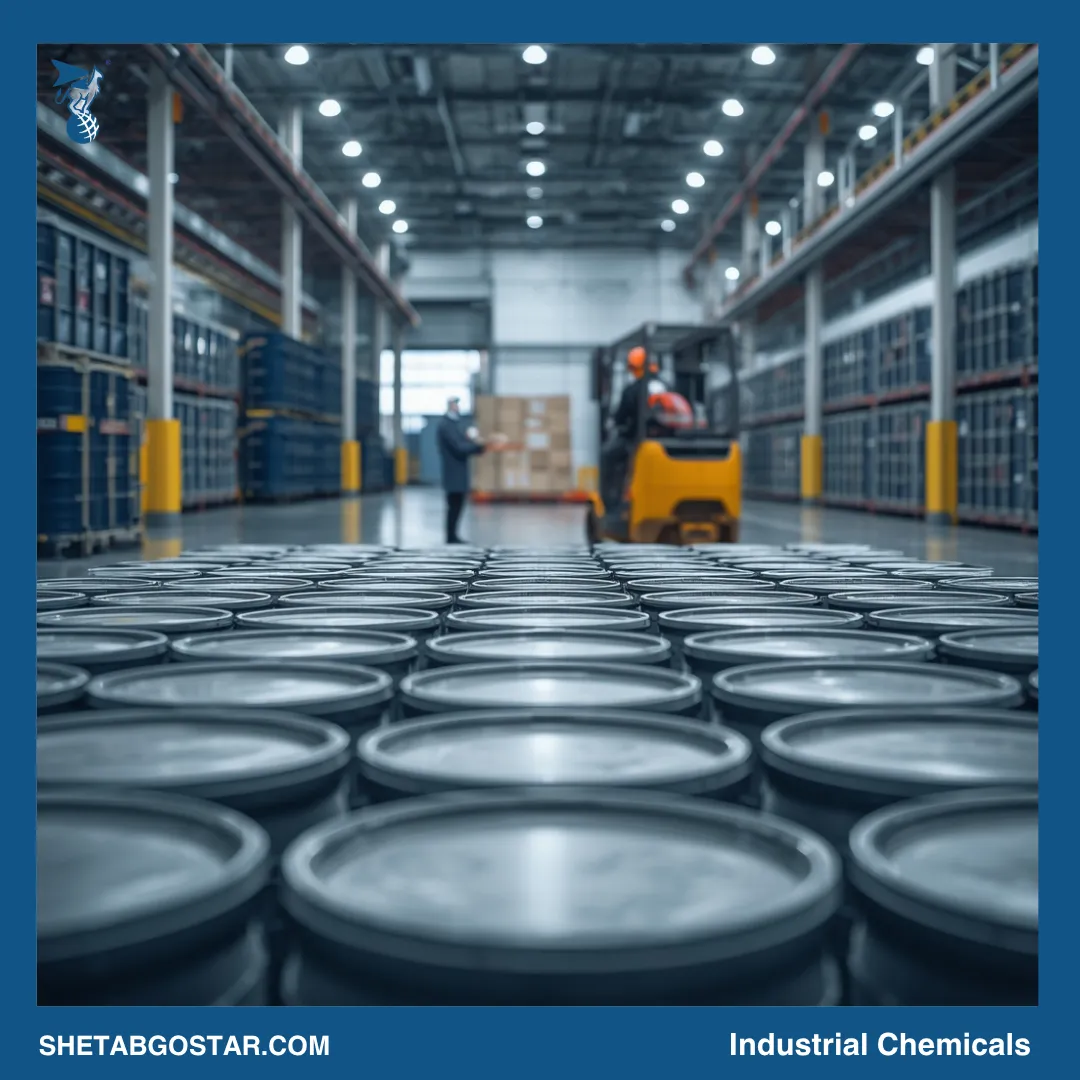
Drums and Smaller Containers
Drums are commonly used when customers require smaller quantities.
Advantages:
- Easier warehouse management
- Suitable for smaller buyers
Disadvantages:
- Higher packaging expenses
- Increased loading and unloading requirements
Selecting the right shipping method depends on order volume, destination, infrastructure, and customer requirements.
Strategies for Freight Cost Optimization in Hydrochloric Acid Exports
1. Consolidating Shipments
Shipment consolidation can significantly reduce transportation expenses by combining multiple orders into fewer shipments.
Benefits include:
- Lower freight charges
- Reduced documentation costs
- Better container utilization
- Improved supply chain planning
For B2B chemical suppliers, consolidating regular customer orders can create more predictable logistics costs.
2. Optimizing Export Routes
Transportation distance is not the only factor affecting freight costs. Route efficiency also depends on:
- Port availability
- Transit time
- Carrier schedules
- Border procedures
- Local transportation infrastructure
Choosing an optimized route can reduce delays and minimize additional storage or demurrage charges.
3. Partnering With Experienced Hazmat Carriers
Working with logistics providers experienced in hazardous chemical transportation can improve both safety and cost control.
Experienced carriers can help with:
- Regulatory compliance
- Proper documentation
- Emergency response planning
- Efficient route selection
Hazardous material regulations generally require carriers and shippers to follow specific responsibilities related to packaging, communication, and safe transportation practices.
The Role of Packaging in Reducing Logistics Costs
Packaging selection directly affects transportation expenses.
For hydrochloric acid exports, suitable packaging should provide:
- Chemical resistance
- Leak prevention
- Safe handling capability
- Compliance with transport standards
Using unsuitable packaging may increase costs due to:
- Product leakage risks
- Damaged shipments
- Additional safety inspections
Proper packaging also helps exporters maintain product quality throughout long-distance transportation.
Documentation Requirements for International HCl Shipments
Accurate documentation is essential for smooth cross-border movement.
Important documents usually include:
- Commercial invoice
- Packing list
- Safety Data Sheet (SDS)
- Certificate of Analysis (COA)
- Dangerous goods declaration
- Certificate of origin
- Shipping documents
A documentation error can create delays at customs checkpoints and increase total logistics expenses.
How Digital Supply Chain Management Improves HCl Export Efficiency
Modern chemical exporters use digital tools to improve logistics performance.
Useful technologies include:
- Shipment tracking systems
- Freight management software
- Inventory planning platforms
- Digital documentation systems
These solutions help companies monitor shipments, predict delays, and reduce unnecessary logistics costs.
Balancing Safety and Cost in Hydrochloric Acid Export Logistics
Reducing freight costs should never compromise safety. The cheapest transportation option may create higher expenses if it results in:
- Regulatory violations
- Product damage
- Delivery delays
- Environmental incidents
A successful hydrochloric acid export strategy focuses on long-term efficiency by combining:
- Reliable transportation partners
- Proper packaging
- Optimized routes
- Accurate documentation
- Regulatory compliance
Conclusion
Cross-Border Hazmat Logistics for Hydrochloric Acid Exports requires careful planning, technical expertise, and strong supply chain management. By selecting suitable transportation methods, optimizing freight routes, consolidating shipments, and maintaining regulatory compliance, chemical exporters can reduce costs while ensuring safe and reliable deliveries.
For companies involved in global hydrochloric acid supply, effective logistics management is a key factor in maintaining competitive pricing and building long-term international partnerships.
As a professional hydrochloric acid manufacturer and exporter, we provide reliable HCl supply solutions with optimized packaging, international logistics support, and safe delivery to global markets.