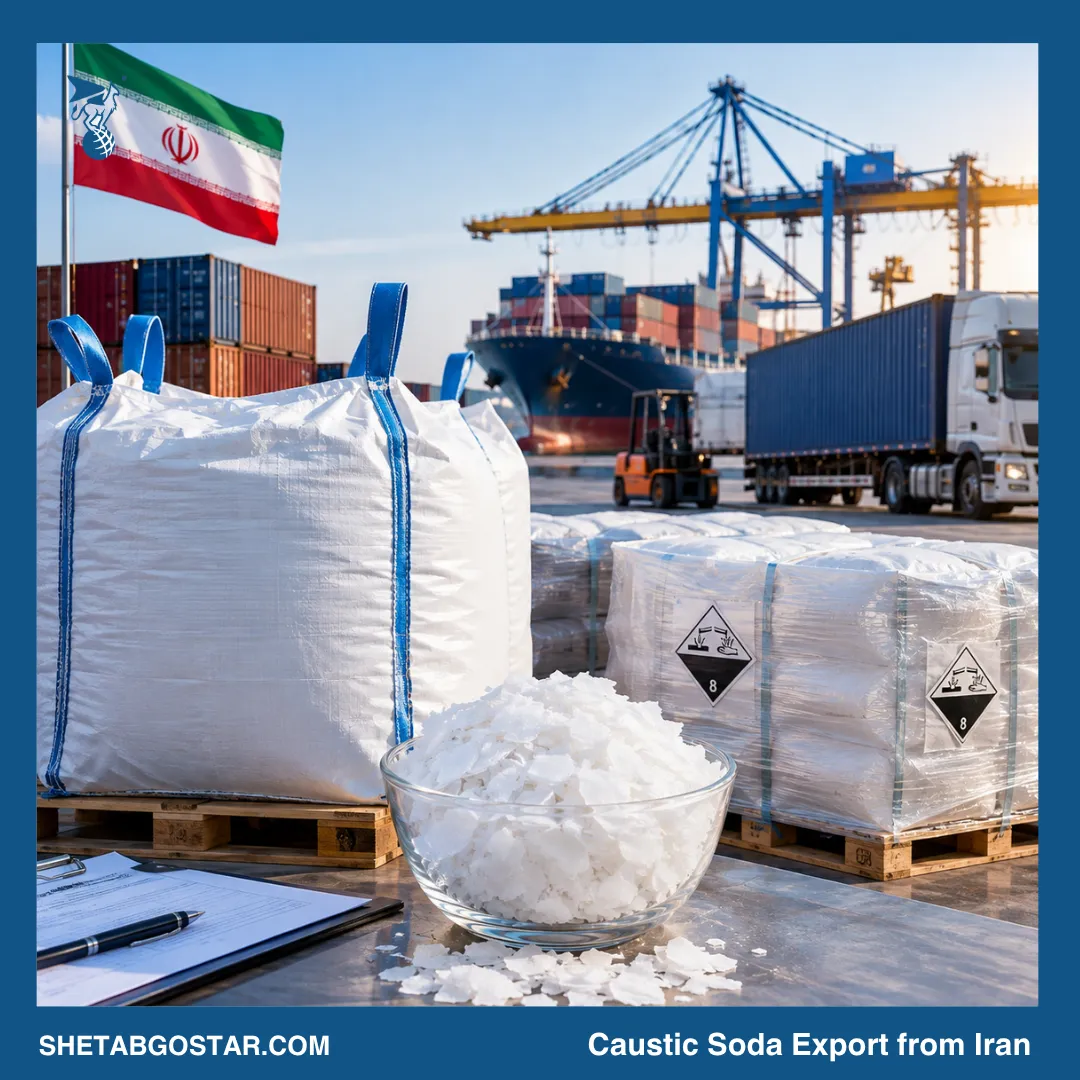
Sulfuric Acid Logistics: Tanker Transport and Export Costs
Sulfuric Acid Logistics plays a critical role in the cost, safety, and efficiency of chemical exports to neighboring countries. Because sulfuric acid is a highly corrosive industrial chemical, its transportation requires suitable tankers, specialized handling procedures, compliant packaging, and careful route planning.
For exporters, transportation is more than simply moving sulfuric acid from a production facility to a customer. Freight rates, loading costs, border procedures, tanker availability, fuel prices, distance, and safety requirements can significantly influence the final delivered price.
This article examines the main logistics costs involved in sulfuric acid exports and explains how tanker transportation can be optimized for regional markets.
What Is Sulfuric Acid Logistics?
Sulfuric acid logistics covers all activities required to move sulfuric acid safely and efficiently from the production site to the final customer. Depending on the destination and shipment volume, these activities may include loading, tanker transportation, customs clearance, border crossing, unloading, documentation, and return transportation.
Unlike ordinary liquid commodities, sulfuric acid requires equipment that can safely handle a highly corrosive substance. Therefore, the choice of tanker and transportation route directly affects both operating costs and safety.
A well-designed Sulfuric Acid Logistics strategy should consider:
- Shipment volume and concentration
- Origin and destination
- Road distance
- Tanker specifications
- Fuel consumption
- Loading and unloading facilities
- Border-crossing procedures
- Customs documentation
- Insurance and safety requirements
- Return-trip efficiency
Why Tanker Transport Is Important for Sulfuric Acid Exports
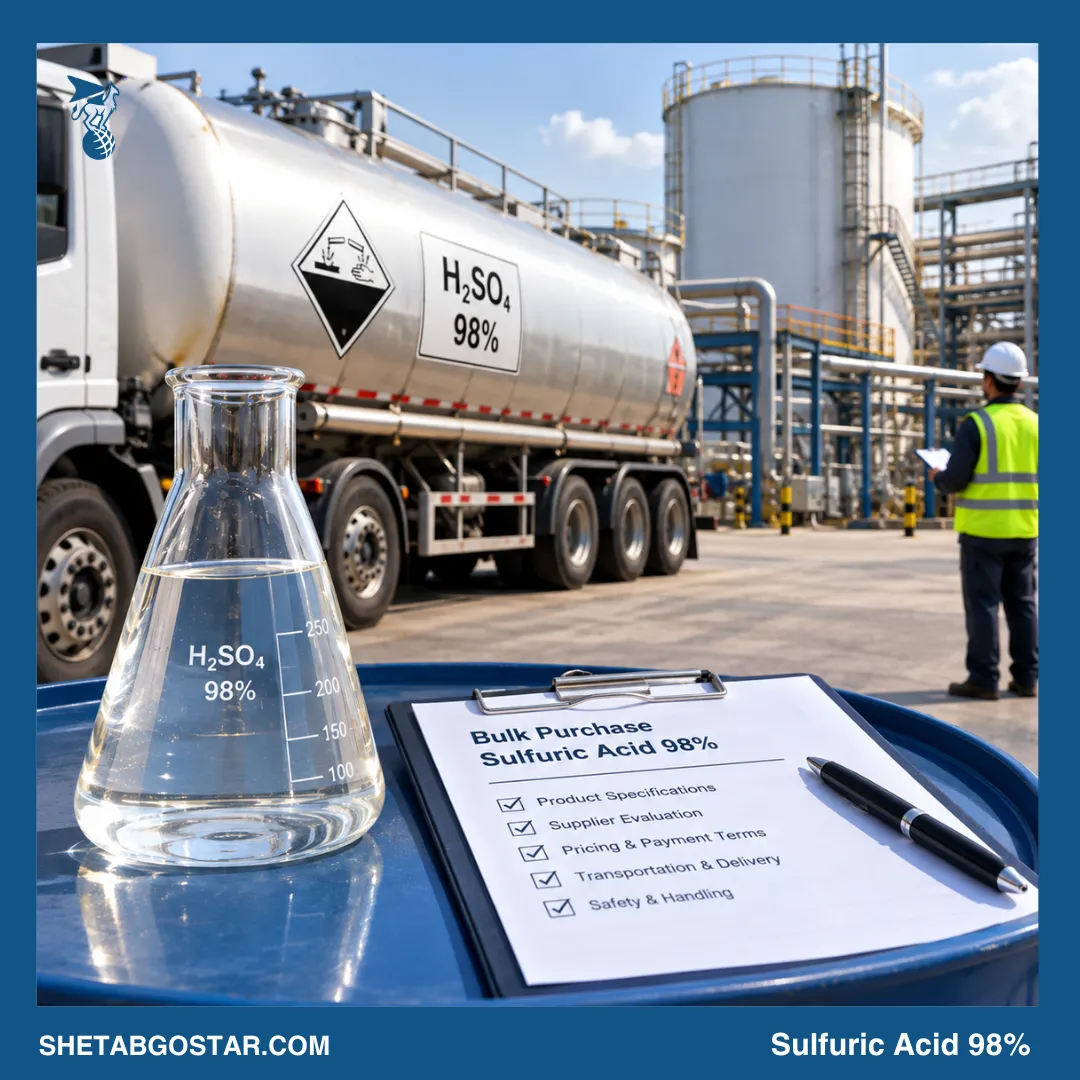
Tanker transportation is one of the most practical methods for moving bulk sulfuric acid between neighboring countries. It eliminates the need for large numbers of small containers and allows exporters to transport substantial quantities in a single shipment.
However, the tanker must be compatible with the chemical being transported. Material compatibility, corrosion resistance, inspection status, loading equipment, and regulatory compliance should be evaluated before shipment.
The transportation provider should also have experience with industrial chemicals. Proper driver training, emergency procedures, route planning, and documentation are essential components of safe transportation.
Main Components of Sulfuric Acid Logistics Costs
The total logistics cost is normally composed of several individual expenses. Understanding each component helps exporters calculate accurate quotations.
1. Inland Transportation Cost
The largest logistics expense for many regional shipments is road transportation from the production facility to the destination.
The cost depends on:
- Total distance
- Fuel prices
- Vehicle type
- Cargo volume
- Road conditions
- Tolls
- Driver expenses
- Border waiting time
Longer routes generally increase fuel consumption and driver costs. However, the cheapest route is not always the most economical because delays, poor road conditions, or additional border procedures can increase the total cost.
2. Tanker Rental or Freight Charges
Exporters may use their own tanker fleet or contract specialized chemical transportation companies.
When a third-party carrier is used, the freight rate may depend on the shipment weight, route, tanker capacity, loading requirements, and expected turnaround time.
For high-volume exports, negotiating dedicated transportation contracts can help create more predictable logistics costs.
3. Loading and Unloading Costs
Sulfuric acid requires appropriate loading and unloading infrastructure. Pumps, pipelines, valves, and connection systems must be suitable for corrosive chemical handling.
Loading costs can include:
- Pumping operations
- Labor
- Equipment usage
- Safety inspections
- Weighing
- Loading documentation
Efficient loading operations can reduce tanker waiting time and improve fleet utilization.
4. Border and Customs Costs
Exports to neighboring countries may involve customs clearance, document verification, inspections, and border waiting periods.
Although some customs expenses are fixed or relatively predictable, delays can create indirect costs. A tanker waiting at a border is not generating transportation revenue and may increase the effective cost per ton.
For this reason, exporters should prepare commercial invoices, packing or transport documents, certificates, and other required paperwork before the vehicle reaches the border.
5. Insurance and Risk-Related Costs
Chemical transportation involves operational risks. Insurance requirements can therefore contribute to the total logistics budget.
The exact insurance structure depends on the cargo, route, carrier, contract terms, and destination-country requirements.
Exporters should clearly define which party is responsible for cargo insurance and transportation risks under the agreed commercial terms.
How to Calculate Sulfuric Acid Transportation Cost
A simple logistics cost model can be used to estimate the transportation component of an export quotation.
A basic formula is:
Total Logistics Cost = Freight + Loading + Border Costs + Documentation + Insurance + Other Handling Costs
The logistics cost per metric ton can then be calculated as:
Logistics Cost per Ton = Total Logistics Cost ÷ Shipment Quantity
For example, if the total transportation and handling cost for a 25-ton shipment is $2,500, the logistics cost is:
$2,500 ÷ 25 = $100 per ton
This calculation allows exporters to compare different routes and transportation providers more easily.
Factors Affecting Tanker Transport Costs
Several market and operational factors can change tanker freight rates.
Fuel Prices
Fuel represents a major operating expense for road transportation. Therefore, changes in diesel prices can directly affect freight quotations.
Distance
Transportation costs generally increase as the distance between the production site and customer increases. However, economies of scale may reduce the cost per ton when larger shipments are transported.
Shipment Volume
Bulk shipments can often achieve lower logistics costs per ton than smaller shipments because fixed transportation expenses are distributed across a larger quantity.
Border Waiting Time
For cross-border shipments, waiting time can have a significant impact on the effective freight cost. Faster customs processing and better documentation can therefore improve overall logistics efficiency.
Tanker Availability
During periods of high demand, the availability of suitable chemical tankers may become limited. This can increase freight rates and extend delivery times.
Optimizing Sulfuric Acid Logistics for Neighboring Markets
Exporters can reduce logistics expenses by optimizing both transportation and shipment planning.
Choose the Right Delivery Route
The shortest geographical route is not necessarily the most cost-effective. Exporters should compare distance, road quality, border procedures, tolls, and average waiting times.
Increase Load Efficiency
Whenever regulations and equipment allow, maximizing the practical payload of each tanker can reduce the transportation cost per ton.
Plan Regular Shipments
Customers with predictable demand may benefit from scheduled shipments. Regular transportation volumes can improve negotiations with logistics providers and increase tanker availability.
Reduce Waiting Time
Loading and unloading delays can increase the effective cost of each trip. Coordinating production, loading schedules, customs documentation, and customer receiving times can minimize unnecessary downtime.
Work With Specialized Chemical Carriers
A transportation company experienced in corrosive chemicals is generally better equipped to manage tanker specifications, loading procedures, emergency planning, and regulatory requirements.
Incoterms and Sulfuric Acid Export Logistics
The selected Incoterm can influence how transportation responsibilities and costs are divided between the seller and buyer.
For example, under an arrangement where the seller is responsible for transportation to a defined destination, the exporter must include relevant freight and handling costs in the commercial calculation.
Therefore, sulfuric acid exporters should calculate logistics costs before selecting an export price. A quotation that ignores transportation expenses can significantly reduce the expected profit margin.
Comparing Nearby Export Markets
Neighboring countries can be attractive destinations because shorter transportation distances may provide lower freight costs and faster delivery. For a broader analysis of regional demand and sulfuric acid export markets, exporters should also evaluate market size, trade opportunities, and regional competition.
However, exporters should evaluate each market based on more than geographical proximity.
Important factors include:
- Average transportation cost per ton
- Border efficiency
- Import requirements
- Customer order volume
- Local competition
- Road infrastructure
- Tanker availability
- Payment and commercial conditions
A market that appears attractive based on distance may become less competitive if customs procedures or transportation costs are significantly higher.
How Exporters Can Reduce Logistics Costs
A practical cost-reduction strategy should focus on the entire transportation chain rather than only negotiating a lower freight rate.
First, exporters should compare multiple transportation providers. Next, they should analyze the complete cost of each route, including border delays and handling expenses.
Long-term contracts can also provide more predictable freight rates. In addition, combining production planning with customer demand forecasts can help exporters organize shipments more efficiently.
Digital tracking and shipment monitoring can further improve visibility throughout the transportation process.
Safety Considerations During Tanker Transport
Cost optimization should never compromise chemical transportation safety.
Sulfuric acid tankers should be properly inspected and maintained. Loading connections must be secure, personnel should use appropriate protective equipment, and emergency procedures should be available before transportation begins.
Drivers and handling personnel should also understand the characteristics and hazards associated with sulfuric acid.
For exporters, selecting a qualified logistics partner is therefore both a cost-management decision and a risk-management decision.
Conclusion
Effective Sulfuric Acid Logistics can significantly influence the competitiveness of chemical exports to neighboring countries. Tanker freight, fuel consumption, loading operations, border delays, insurance, and shipment volume all contribute to the final logistics cost.
By selecting appropriate tankers, optimizing routes, increasing load efficiency, reducing waiting times, and working with experienced chemical carriers, exporters can improve delivery reliability while controlling transportation expenses.
For regional sulfuric acid exporters, logistics should therefore be treated as an integral part of export pricing and supply chain strategy rather than as a separate operational expense.