Ethanol 96% Export: ISO Tank vs. HDPE Drum Packaging
Exporting ethanol 96% requires careful attention to product quality, transportation regulations, packaging, and logistics. For international buyers and distributors, choosing the right packaging can directly affect shipping costs, cargo safety, handling efficiency, and regulatory compliance. Therefore, understanding Ethanol 96% Export requirements is essential for suppliers planning international shipments.
For bulk shipments, two common options are ISO tanks and HDPE drums. Each packaging method offers different advantages depending on shipment volume, destination, storage facilities, and transportation conditions.
Ethanol 96% Export and Transportation Requirements
Ethanol is classified as a flammable liquid for transportation. Under ADR, ethanol and ethanol solutions are listed under UN 1170 and fall within Class 3 dangerous goods. The applicable packing group depends on the concentration and classification of the specific product.
Consequently, exporters should not select packaging based only on price. The packaging must be suitable for the product and comply with the regulations applicable to the transportation mode and destination market.
Before shipment, exporters should verify:
- Product concentration and specification
- Safety Data Sheet (SDS)
- Certificate of Analysis (COA)
- UN number and dangerous goods classification
- Applicable ADR, RID, IMDG, or other transport regulations
- Packaging certification and markings
- Loading and unloading requirements
- Destination-country import requirements
This documentation helps reduce customs delays and prevents avoidable problems during transportation.
HDPE Drum Packaging for Ethanol 96%
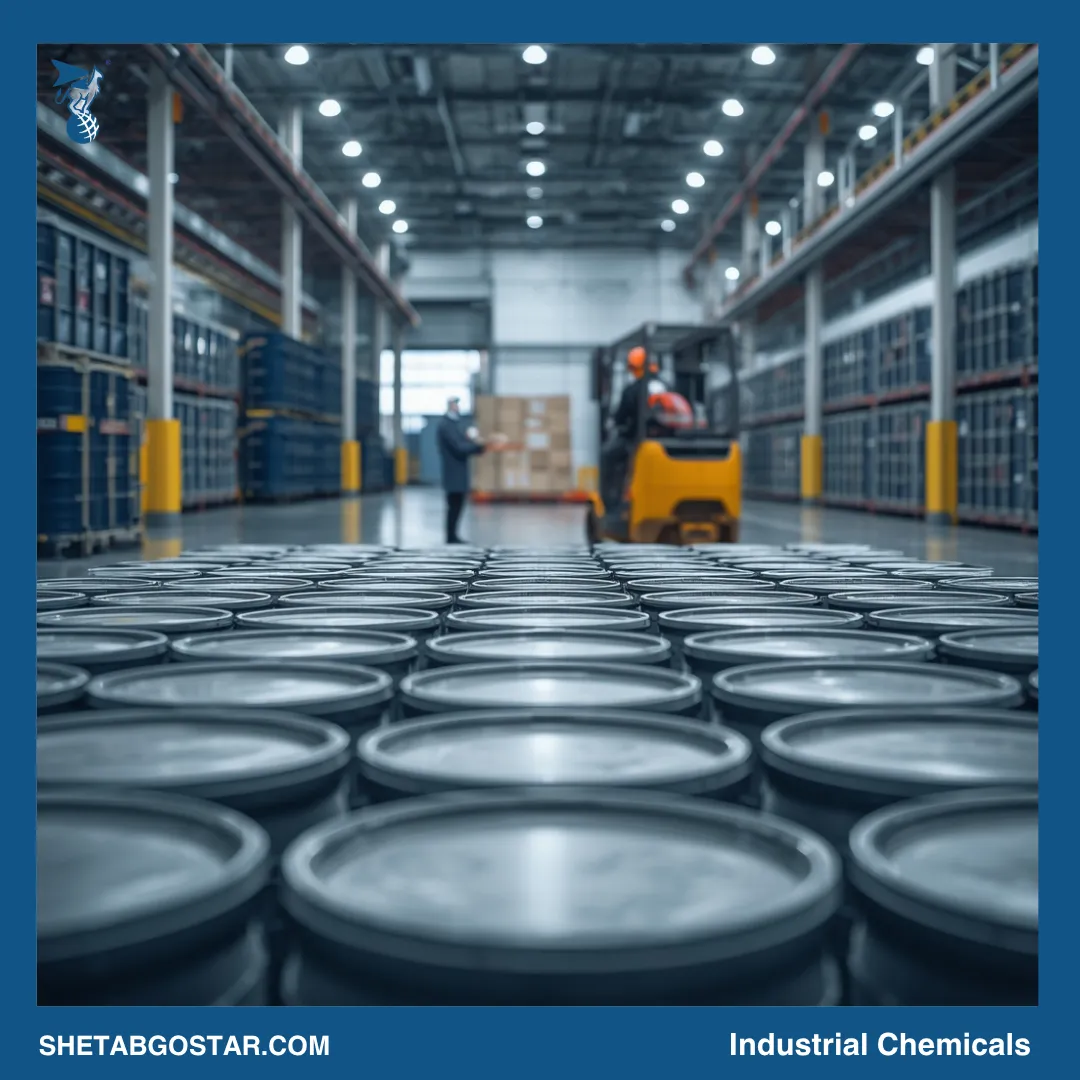
HDPE drums can be a practical solution for customers that require smaller shipment units or have limited bulk-storage infrastructure. High-density polyethylene provides a lightweight packaging option and can simplify warehouse handling.
However, HDPE drums intended for dangerous-goods transportation should be properly designed, tested, and certified for the intended application. Regulations specify permitted packaging types and requirements rather than allowing exporters to use any commercially available plastic container. For example, ADR information for UN 1170 identifies approved plastic drum packaging under specific UN packaging codes.
Advantages of HDPE Drums
HDPE drums can be particularly useful when:
- The buyer requires manageable individual units.
- The shipment volume is relatively moderate.
- The destination has drum-handling facilities.
- The customer wants flexible warehouse storage.
- Product distribution will occur in smaller batches.
In addition, drums can make inventory management easier for some distributors because each container represents a defined quantity.
HDPE Drum Considerations
Despite their flexibility, drums have several limitations. A large number of individual containers increases handling requirements. It can also increase packaging material, loading time, unloading labor, and the potential number of handling points.
Therefore, HDPE drums are generally more attractive when flexibility is more important than maximum bulk-loading efficiency.
ISO Tank Packaging for Ethanol 96%
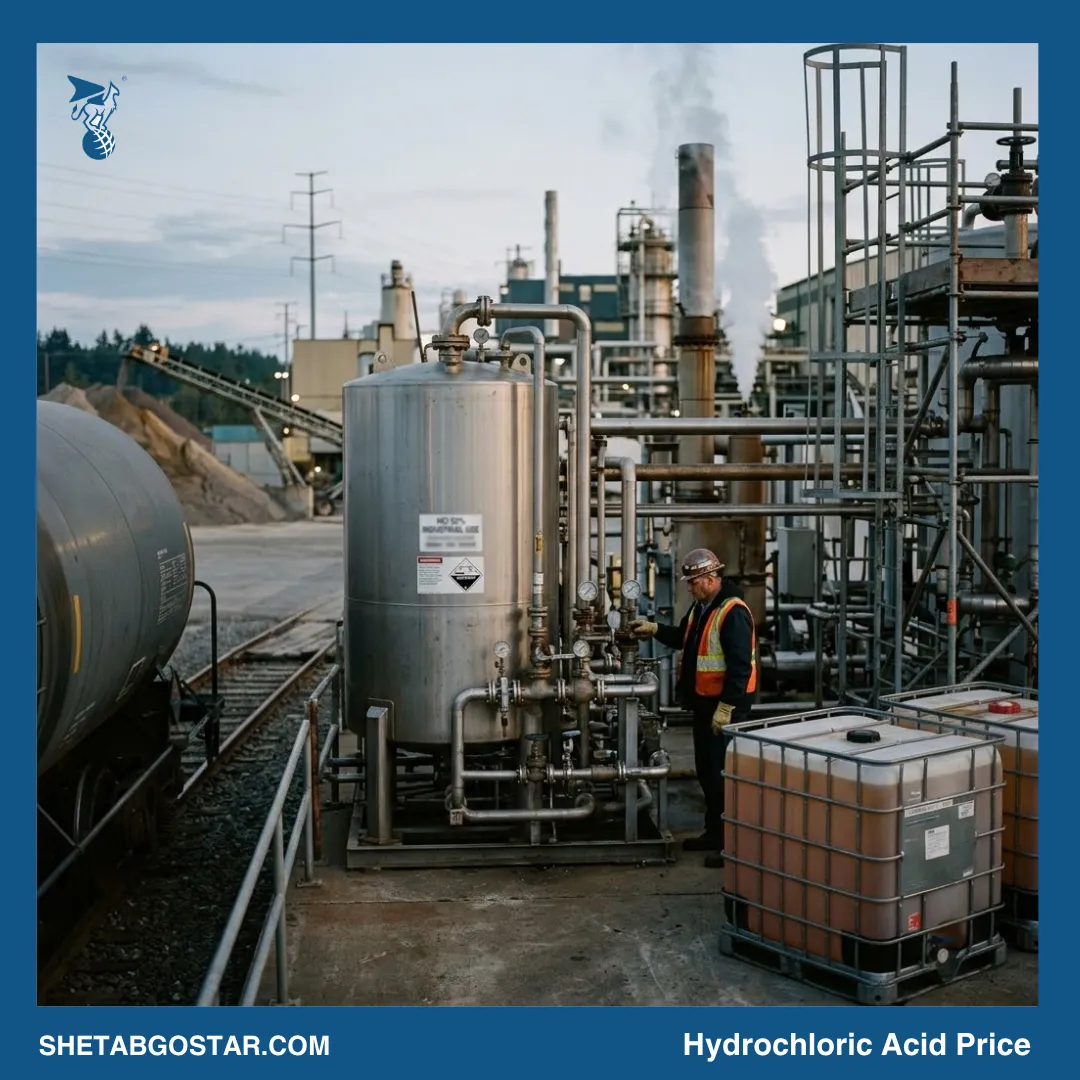
ISO tanks are designed for the international transportation of liquid products in a standardized tank-container format. For large-volume Ethanol 96% Export, they can provide significant logistical advantages compared with large numbers of individual drums.
For regulated ethanol transportation, the tank itself must meet the applicable technical and dangerous-goods requirements. ADR data for UN 1170 provides specific tank requirements, including permitted tank arrangements and the LGBF tank code for applicable ethanol classifications.
Advantages of ISO Tanks
ISO tanks are often preferred for bulk ethanol shipments because they can:
- Carry a large quantity in one transport unit.
- Reduce the number of individual packages.
- Simplify loading and unloading.
- Reduce packaging-material requirements.
- Improve efficiency for repeated B2B shipments.
- Integrate efficiently with multimodal logistics.
Moreover, ISO tanks can be particularly attractive for importers that already have bulk storage tanks and appropriate unloading infrastructure.
ISO Tank Considerations
ISO tanks require more specialized logistics than drums. The buyer must have suitable facilities for receiving, unloading, and storing the product.
Therefore, before selecting an ISO tank, exporters should confirm:
- Tank compatibility with the product.
- Applicable dangerous-goods certification.
- Filling and discharge procedures.
- Available unloading equipment at destination.
- Transportation route requirements.
- Cleaning and return logistics.
- Insurance and carrier requirements.
ISO Tank vs. HDPE Drum: Which Is Better?
The best packaging decision should be based on the buyer’s operational requirements and B2B ethanol procurement strategy rather than simply choosing the cheapest option.
| Factor | ISO Tank | HDPE Drum |
|---|---|---|
| Shipment volume | High | Low to medium |
| Handling efficiency | Very high | Moderate |
| Packaging material | Lower per tonne | Higher per tonne |
| Warehouse flexibility | Lower | Higher |
| Bulk unloading | Excellent | Limited |
| Infrastructure requirement | Higher | Lower |
| Large B2B shipments | Excellent | Suitable |
| Smaller deliveries | Less practical | Excellent |
| Repeated bulk supply | Excellent | Moderate |
For large-volume industrial contracts, ISO tanks can provide better logistical efficiency. Conversely, HDPE drums can be more practical when the customer needs smaller quantities or does not have bulk-storage infrastructure.
Packaging Standards for International Ethanol Shipments
Packaging is only one part of export compliance. The exporter should evaluate the complete logistics chain from the filling facility to the buyer’s warehouse.
For example, the packaging should be compatible with:
- Ethanol concentration
- Temperature conditions
- Pressure and transportation conditions
- Handling equipment
- Storage duration
- Road transportation
- Sea transportation
- Customs procedures
For dangerous goods, packaging must meet the relevant regulatory requirements. Under ADR, authorized packaging and IBC options are specified for UN 1170, while tank transportation is also regulated under dedicated requirements.
Consequently, using a generic drum or tank without verifying its regulatory suitability can create significant compliance and transportation risks.
Documentation Required for Ethanol 96% Export
A professional export shipment should be supported by accurate commercial and technical documentation.
Depending on the destination and transportation method, the documentation package may include:
- Commercial Invoice
- Packing List
- Certificate of Analysis (COA)
- Safety Data Sheet (SDS)
- Certificate of Origin
- Bill of Lading or transport document
- Dangerous Goods Declaration, where applicable
- Packaging or tank certification
- Customs documentation
- Insurance documents
The exact documentation depends on the destination country, Incoterms, transport mode, and local import regulations.
How to Choose Between ISO Tank and HDPE Drum
A simple decision framework can help buyers and exporters select the most appropriate packaging.
Choose ISO Tanks When:
- The order volume is large.
- The buyer has bulk storage facilities.
- The product will be transported directly to an industrial site.
- Repeated shipments are expected.
- Minimizing packaging per tonne is important.
- The logistics network supports tank transportation.
Choose HDPE Drums When:
- The order quantity is smaller.
- The customer requires flexible storage.
- The buyer does not have bulk unloading equipment.
- The product will be redistributed in smaller quantities.
- Warehouse handling with individual units is preferred.
In practice, the most efficient packaging solution depends on the entire supply chain rather than the container alone.
Final Checklist for Ethanol 96% Export
Before shipping ethanol 96%, exporters should confirm:
- Ethanol concentration and product specification
- Correct UN classification
- Appropriate packaging type
- Packaging certification and markings
- COA and SDS availability
- Transport regulations for the selected route
- Loading and unloading procedures
- Insurance requirements
- Customs documentation
- Importer’s storage and handling capabilities
This approach helps exporters reduce logistical uncertainty while improving shipment reliability.
Conclusion
Successful Ethanol 96% Export requires more than competitive pricing. Packaging selection, dangerous-goods compliance, documentation, transportation infrastructure, and buyer requirements all influence the final logistics strategy.
ISO tanks are generally better suited to high-volume industrial shipments where bulk handling is available. HDPE drums, on the other hand, provide greater flexibility for smaller shipments and customers without bulk-storage infrastructure.
For international ethanol suppliers, evaluating these factors before quotation and shipment can help reduce unnecessary logistics costs and improve the reliability of long-term B2B supply.
Looking for reliable Ethanol 96% for international supply? Work with an experienced producer and exporter to select the right grade, packaging, and shipping solution for your destination market.